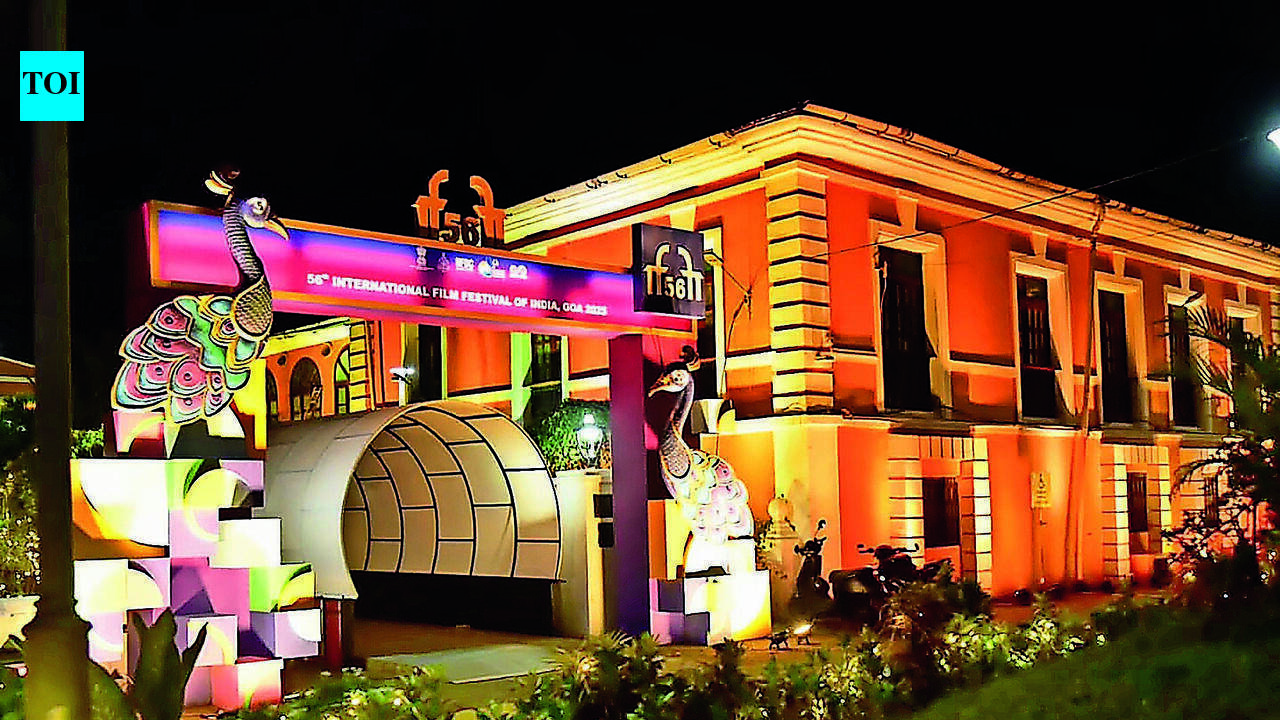
Panaji: The establishment of a film city, film schools and film literacy centres could help Goa emerge as a prominent filmmaking destination while creating employment opportunities for local talent, filmmaker Vijay Krishna Acharya said during a panel discussion titled ‘Goa in Cinema’ at the 57th International Film Festival of India (Iffi).Highlighting Goa’s distinctive visual and cultural appeal, Acharya observed that the state possessed a unique identity that distinguished it from conventional cinematic locations. Its landscapes, architecture and cultural character have attracted filmmakers over the years, offering a natural setting for stories that are intrinsically connected to the region.Citing the film Kabhi Haan Kabhi Naa, he said the characters and setting were so organically connected that the story could flourish only in Goa.Acharya called for the development of a film city that would provide suitable infrastructure for productions across different budget categories. He said that competitive production costs and accessible facilities could encourage more filmmakers to choose Goa as a shooting destination.He also stressed the importance of establishing film schools and film literacy centres to equip local people with professional skills and provide them with employment opportunities across the film industry. Such initiatives, he said, could create a lasting impact by nurturing generations of creative professionals and positioning Goa as a distinctive artistic centre.Offering a different perspective, filmmaker Rajendra Talak expressed reservations about the viability of a film city in the state. He pointed out that Goa already possessed considerable filming potential through its natural landscapes, traditional houses and heritage sites.Talak observed that a portion of the state remained unexplored by filmmakers, estimating that hardly 10% of Goa had been explored as a filming destination.He encouraged filmmakers to discover existing locations and develop stories that naturally complement Goa’s diverse settings, while ensuring that filmmaking initiatives remain sensitive to the state’s cultural identity and natural environment.