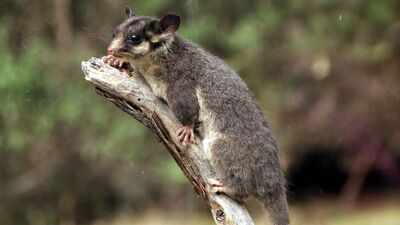
A restored forest sanctuary in Victoria, Australia, has welcomed 9 critically endangered lowland Leadbeater’s possums as part of efforts to protect the rare population. The release took place in late October 2026 at Haining Farm Sanctuary, a 42-hectare conservation reserve east of Melbourne. The sanctuary was created to give this genetically distinct possum population a protected place to live and breed. It is surrounded by a 3.6-kilometre fence designed to keep predators out, while foxes and cats are also being controlled. The lowland population had fallen to fewer than 15 animals in the wild because of habitat pressures and predation. According to Greening Australia, the former dairy farm has been restored through tree planting, wetland restoration and other habitat improvements to create a haven for the possums.
How Haining Farm was transformed into a safe habitat for rare possums
The 9 possums were released at Haining Farm Sanctuary in late October 2026. The reserve covers 42 hectares on Wurundjeri Country, east of Melbourne. It was previously a dairy farm before being developed into a conservation site with breeding habitat for lowland Leadbeater’s possums. Revegetation work began in 2018 and was undertaken by Parks Victoria and Greening Australia.The sanctuary’s predator-exclusion fence was completed, alongside extensive efforts to control foxes and cats. These measures were designed to reduce the threats that had pushed the genetically distinct lowland population close to extinction. Dr Dan Harley of Zoos Victoria said the population had declined to fewer than 15 individuals in the wild because of habitat pressures and predation from cats and foxes.
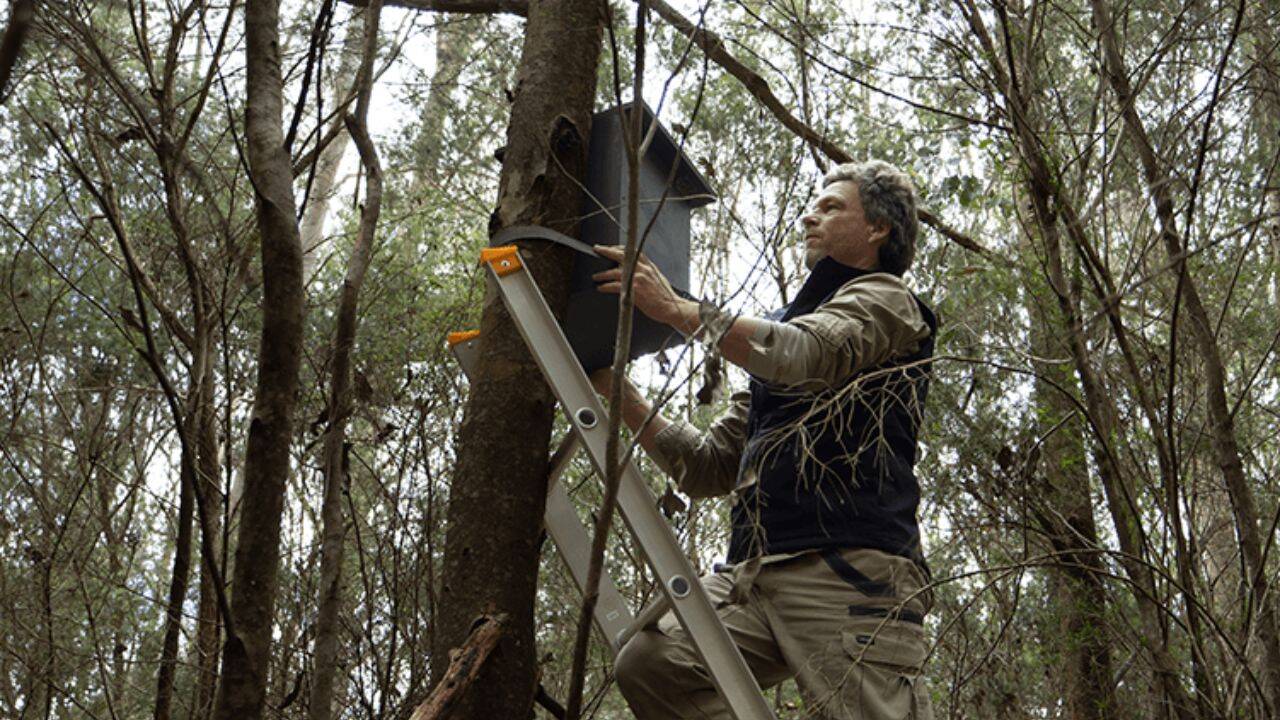
PC: Rick Hammond / Zoos Victoria
Restoring wetlands and forests to support rare possums
Greening Australia Technical Specialist Zoe Birnie said the restoration at Haining Farm had to consider water flows as well as revegetation, given the lowland Leadbeater’s possum’s habitat preferences.Ms Birnie said, “The possums are known to inhabit areas that are wet, damp, cold and dark, so the design included earthworks to create a network of wetland cells, as well as high-density plantings of diverse species to create the structure and shade the possums need.”More than 650,000 plants representing more than 130 species have been planted over the years to re-establish suitable habitat for lowland Leadbeater’s possums and the Helmeted Honeyeater.The site’s young forest does not yet contain natural hollows, so Zoos Victoria has installed nest boxes for the possums. The density of the young forest at the release site is an important factor in its suitability as habitat for the possums.
Why are radio collars important for monitoring the released possums
Before the release, each possum was fitted with a radio-tracking collar so field teams can monitor how successfully the animals establish themselves at the site. The information will also help conservation teams decide where to establish additional family groups in future. Leadbeater’s possums are territorial, making the monitoring data useful when planning further releases.The group includes animals involved in a genetic rescue programme. Under this programme, conservation biologists pair possums from the distinct highland and lowland populations to reduce the effects of inbreeding and improve reproductive success. The release forms part of a conservation effort, combining habitat protection with the management of genetic diversity in the threatened lowland population at Haining Farm.
Sanctuary aims to protect other threatened species alongside rare possums
Haining Farm Sanctuary will also provide habitat for the Helmeted Honeyeater as natural food resources increase over coming years. Parks Victoria Chief Conservation Scientist Dr Mark Norman said, “Our goal may have been to save a rare possum, but by protecting this area, regrowing the forest and improving the waterways, we’ve created habitat for a host of species that need refuge.”The Helmeted Honeyeater inhabits the same dense swamp forest habitat as the lowland Leadbeater’s possum. The project is a collaboration involving Parks Victoria, Zoos Victoria, Greening Australia, the Department of Energy, Environment and Climate Action, Melbourne Water, the Wurundjeri Woi Wurrung Cultural Heritage Aboriginal Corporation and the local community. Further Leadbeater’s possum releases are planned for autumn 2027 and will include animals from Healesville Sanctuary’s conservation breeding programme and Yellingbo Nature Conservation Reserve.