At 13, Kelvin Doe was searching through piles of discarded materials in Freetown for things most people would have left behind. Acid, soda, scrap metal and broken components became part of a series of homemade experiments that gradually moved from a battery to a generator and then a transmitter. The teenager had no conventional electronics workshop, yet his projects were becoming useful beyond his own experiments. A radio station was taking shape, built with other students to serve people who lacked easy access to local broadcasts. Within a few years, Doe’s unusual work had attracted attention far beyond Sierra Leone, reaching MIT and Harvard.
How Doe turned everyday waste into his first electrical experiments
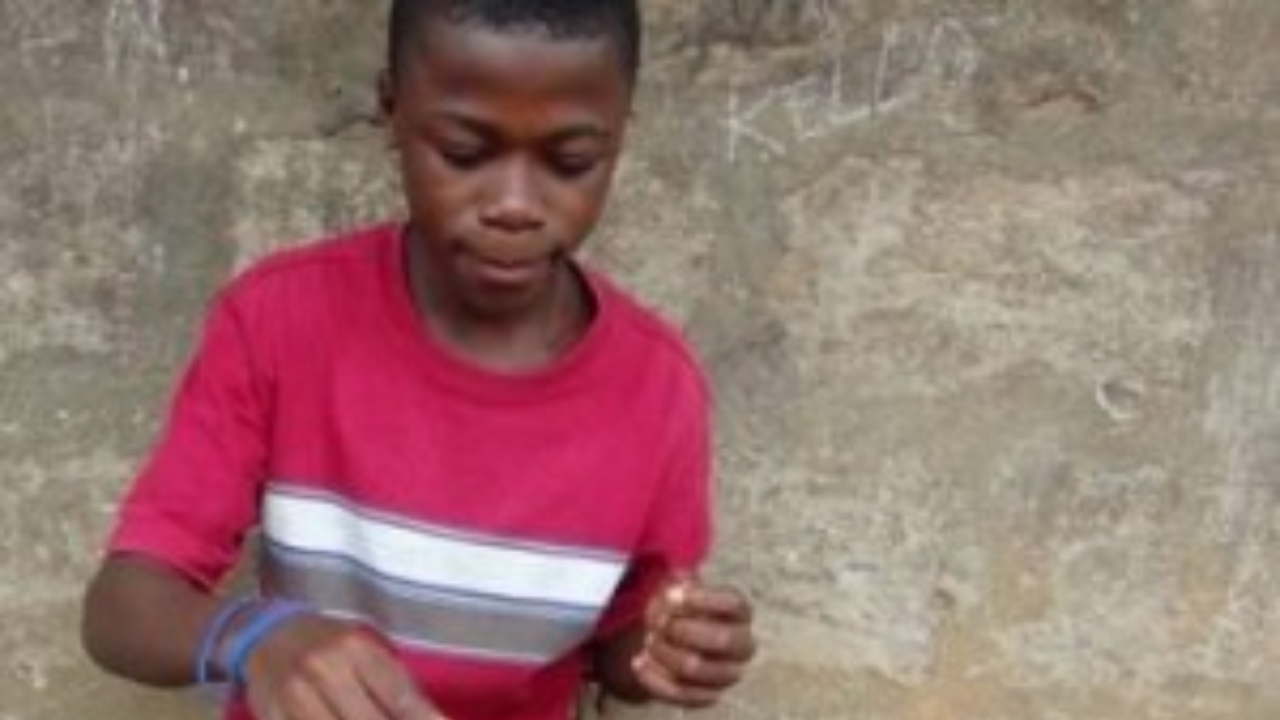
Doe had been interested in making things from an early age. Rather than having access to a conventional laboratory, he worked with whatever he could find. At about 13, he was searching through rubbish for materials that could be turned into useful components. Among them were acid, soda and pieces of scrap metal. He used these materials while experimenting with ways of producing electricity, eventually making a battery of his own.There was a practical purpose behind the tinkering. Electricity was not something he could simply assume would be available whenever he wanted to test an idea. Building a power source meant finding another way to keep his experiments going.The battery was followed by a generator. Then came a transmitter. Each project gave him something else to take apart, understand and try again. His approach was largely based on experimenting with the objects around him rather than following a conventional electronics curriculum.
From homemade power to a radio station for local communities
The generator was not simply another object on a shelf. Doe was interested in what locally made equipment could do for people in his community. Radio was particularly important. In remote parts of Sierra Leone, local broadcasting could provide news and information to people who might otherwise have limited access to it. But setting up an FM station could involve costs that were difficult for small communities to meet.Doe and two other students from Albert Academy began working on a prototype local FM radio station. The project brought together several of the things he had already been experimenting with: homemade power, electronic components and a transmitter. It also gave his earlier scrap-built devices a more direct use.The idea eventually became part of the first Innovate Salone Challenge, a competition created by Global Minimum, a non-profit organisation established by David Sengeh and colleagues. The programme was aimed at students developing practical responses to problems in Sierra Leone, including challenges involving energy, education and agriculture.
PC: MIT
The prototypes that brought Doe’s radio project into focus
When applications for the competition closed in May, the organisers had received 70 applications involving about 300 students, as reported by ABC News. Doe’s submission was different in one important respect. He was not presenting only an idea that might be built later. He had already started making the equipment.David Sengeh, who had grown up in Sierra Leone before studying at Harvard and later beginning doctoral work at MIT, saw evidence that Doe’s proposal could actually be put into practice. The teenager had already produced prototypes and demonstrated how the project could work. Global Minimum’s programme was designed to provide young inventors with funding, mentorship and an opportunity to develop their projects. Winning teams could receive $1,500 to move their ideas from prototypes towards functioning solutions. For Doe, the radio project was an extension of work he had already been doing on his own.
How Doe’s scrap-built inventions took him from Freetown to MIT
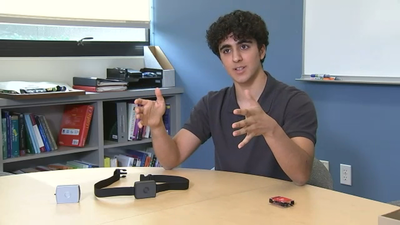
The attention eventually reached the Massachusetts Institute of Technology. At 15, Doe became the youngest person invited to MIT’s visiting practitioner programme, giving him the opportunity to spend time in an environment very different from the one in which his experiments had begun. His visit brought him into contact with researchers, students and university facilities that were far removed from the scrap materials he had relied on in Freetown. Yet the basic process behind his work remained familiar: take something apart, understand what it does and try to build something useful from it. Laura Sampath, then manager of MIT’s International Development Initiative, described Doe’s ability to learn through examining existing objects and rebuilding them.The significance of the visit was not simply that a teenager from Sierra Leone had reached an American university. It also showed how a collection of self-taught experiments had developed into work that attracted attention from academic institutions.
The radio project grew from a local problem
Doe’s interest in FM broadcasting came from a straightforward observation. Starting a local station could be expensive, while many people living in remote areas needed access to news and information. The prototype developed with his classmates was intended to address that gap using equipment they could build themselves.That idea fitted closely with the philosophy behind Innovate Salone. Rather than treating young people only as recipients of technology or outside assistance, the programme encouraged them to make things based on problems they encountered directly.Doe’s own route into electronics had followed much the same pattern. He did not begin with a fully equipped workshop or a large collection of components. He began with discarded objects and questions about what they could be made to do.
The teenager behind the DJ Focus name
By this point, Doe was also known by another name: DJ Focus. The nickname reflected his involvement with the community radio project, but his activities went beyond broadcasting. He had made a transistor radio, worked on homemade batteries and developed the equipment needed to power and transmit from a local station.He was the youngest of five children and had said that his interest in inventing began when he was about four years old.Much of the attention around him came from the contrast between the sophistication of the ideas and the limited resources available to him. His workshop was effectively the environment around him. Broken equipment, scrap metal and other discarded materials could become raw components for the next experiment.
A young inventor with a very unconventional workshop
Doe’s story reached MIT and Harvard through a combination of his own projects and the network created around Innovate Salone.David Sengeh had established Global Minimum partly because he wanted young people in Sierra Leone to have opportunities similar to those that had helped him progress from the country to Harvard and MIT. The organisation sought to connect students with tools, mentors and funding so that ideas could be developed rather than left as sketches.Doe’s work fitted that model unusually well because he had already begun building before outside support arrived.The battery, generator and transmitter were products of repeated experimentation with materials that had little apparent value when he found them. By the time he reached his mid-teens, those experiments had led to a working community radio project and an invitation to one of the world’s best-known technology universities.