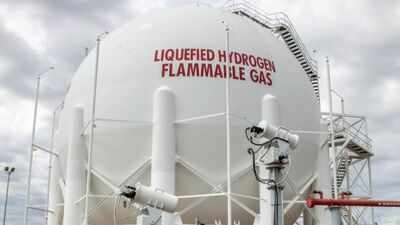
Scientists working on a cleaner way to produce hydrogen have discovered an unexpected second product which is high-quality graphite. The finding emerged from research into methane pyrolysis, a process that splits methane into hydrogen and solid carbon instead of producing CO2 directly. The team focused on solving a major challenge that how to supply enough heat efficiently as the process is scaled up.Their solution involved heating the reactor from within by using some of the hydrogen produced during the reaction. According to a study published in the journal ‘Science’ and a report by Stanford University, the approach greatly improved energy efficiency. The solid carbon left behind also showed a high degree of graphitisation, giving researchers a potentially valuable material alongside hydrogen. The discovery could add an economic benefit to efforts aimed at cleaner hydrogen production.
How did a hydrogen experiment unexpectedly produce high-quality graphite
Hydrogen is widely used in the production of fertiliser and methanol, as well as in oil refining. However, much of the world’s hydrogen is produced through methods that generate carbon dioxide. The Stanford researchers investigated methane pyrolysis as an alternative. According to the study and Stanford University, the process splits methane into hydrogen gas and solid carbon, avoiding the direct production of carbon dioxide. But the quality of the material surprised the researchers. According to Stanford University, the carbon showed a high degree of graphitisation, meaning it developed characteristics associated with high-quality graphite. Graphite has important applications, including use in batteries and electrodes. The discovery could give the process an additional economic advantage. Instead of simply dealing with the carbon left behind, producers may be able to develop it as a valuable industrial material.However, the graphite produced through the process is not yet pure enough for some demanding applications, including certain battery uses, Stanford reported. Also methane pyrolysis has faced significant practical challenges. One of the biggest has been supplying enough heat efficiently, particularly when the process is expanded to a larger scale. The new research focused on addressing this exact problem.
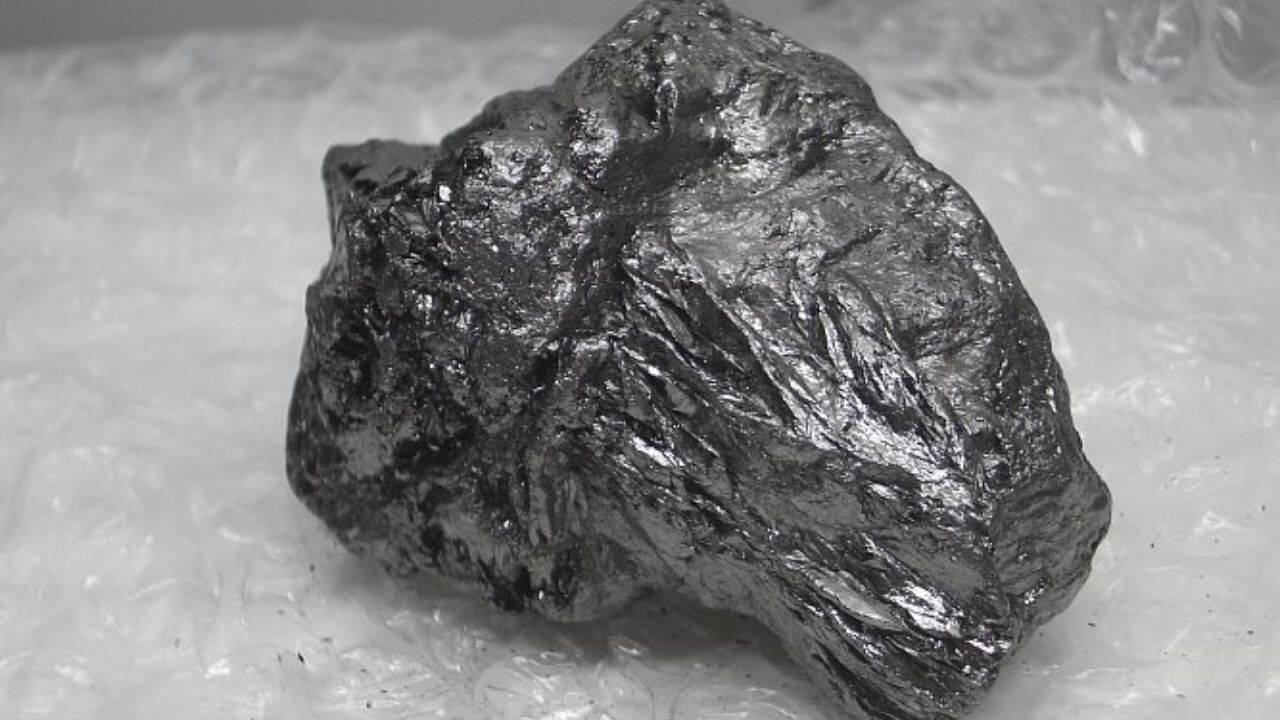
Crystalline graphite. Image Credit: Wikimedia Commons
An innovative heating method improves hydrogen production efficiency
Industrial reactors are often heated from the outside, but Stanford University explained that this can become less efficient as reactors increase in size because heat must travel from their outer walls towards the centre. The researchers developed an internal heating system instead. They placed a burner inside the reactor and selectively combusted part of the hydrogen produced during the process to generate the required heat.Because hydrogen combustion mainly produces water, this approach avoids direct carbon emissions from the heating step. According to Stanford, this heating method achieved roughly a tenfold improvement in efficiency compared with conventional external heating. This could help overcome a major obstacle in scaling up methane pyrolysis. Further research will be needed to improve the material and determine whether it can consistently meet industrial standards. Even so, the finding could support future efforts to produce graphite domestically. The research shows how solving one technical challenge can lead to an unexpected result. These findings suggest that efforts to make hydrogen production cleaner could also provide a source of valuable industrial material.