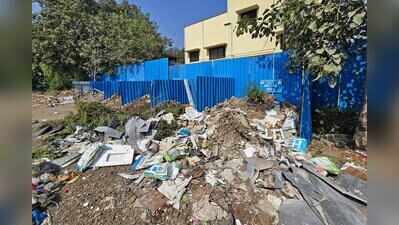
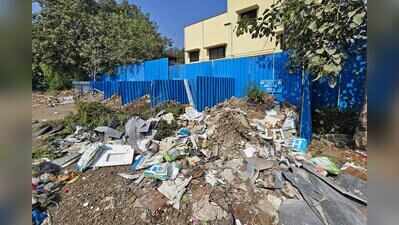
Pune: Pune Municipal Corporation (PMC) is yet to set up a dedicated facility — announced earlier — to dispose of the huge amount of thermocol that is being discarded during this festive period.According to citizens, the responsibility of disposal is mostly left to ragpickers, as PMC is not prioritising it. “A project has been proposed for disposing of this trash, and it will be speeded up soon,” said Santosh Warule, head of PMC’s solid waste management department.Warule said the administration has started work on the plant that will recycle items like mattresses, furniture and other items which are difficult to dispose of. Thermocol will also be a key component that will be disposed of in this 75-tonne plant that will be set up at Ramtekdi in the Hadapsar area.However, disposal of thermocol is still a big worry for citizens. “A large number of offers are available on consumer items during the festive periods like Ganapati, Navaratri and Diwali. So we buy such items. But after purchasing such items, throwing the packing materials, especially plastic and thermocol, have become a major hassle. Neither the scrap vendors accept it nor do we can throw them in public places,” said Shantanu Gosavi, a resident of Kothrud.“We don’t have any option but to dump such materials like thermocol without proper process as the facility for it is not available. Citizens force us to take this trash as we are responsible for garbage collection in their areas. We face double whammy,” said a ragpicker who did not want to be named.As per PMC data, around 2,100 tonnes of garbage are generated every day in the municipal limits. It includes dry garbage, wet garbage and mixed garbage. Around 800 tonnes of it are wet, 700 tonnes are dry, while around 600 tonnes are mixed trash. Around 15% of the garbage generated in the city amounts to plastic. The quantity has gone up by around 300 tonnes as 23 villages were added in the municipal limits.