
NEW DELHI: The year 2026 is on track to be one of the four warmest years on record, with the past four years, 2023-26, being the top four, the World Meteorological Organisation (WMO) said in its State of the Climate report released on Monday, the opening day of the 31st session of the UN climate conference (COP31) in Antalya, Turkiye.The report shows that each of the past 12 years has individually been among the warmest on record. It said the global average surface temperature for Jan-Sept 2026 was about 1.47 degrees C above the pre-industrial (1850–1900) average.“This figure is likely to rise through the end of the year because of the warming effect of El Niño, which has been intensifying since August and is expected to be the strongest on record by December,” the WMO said.
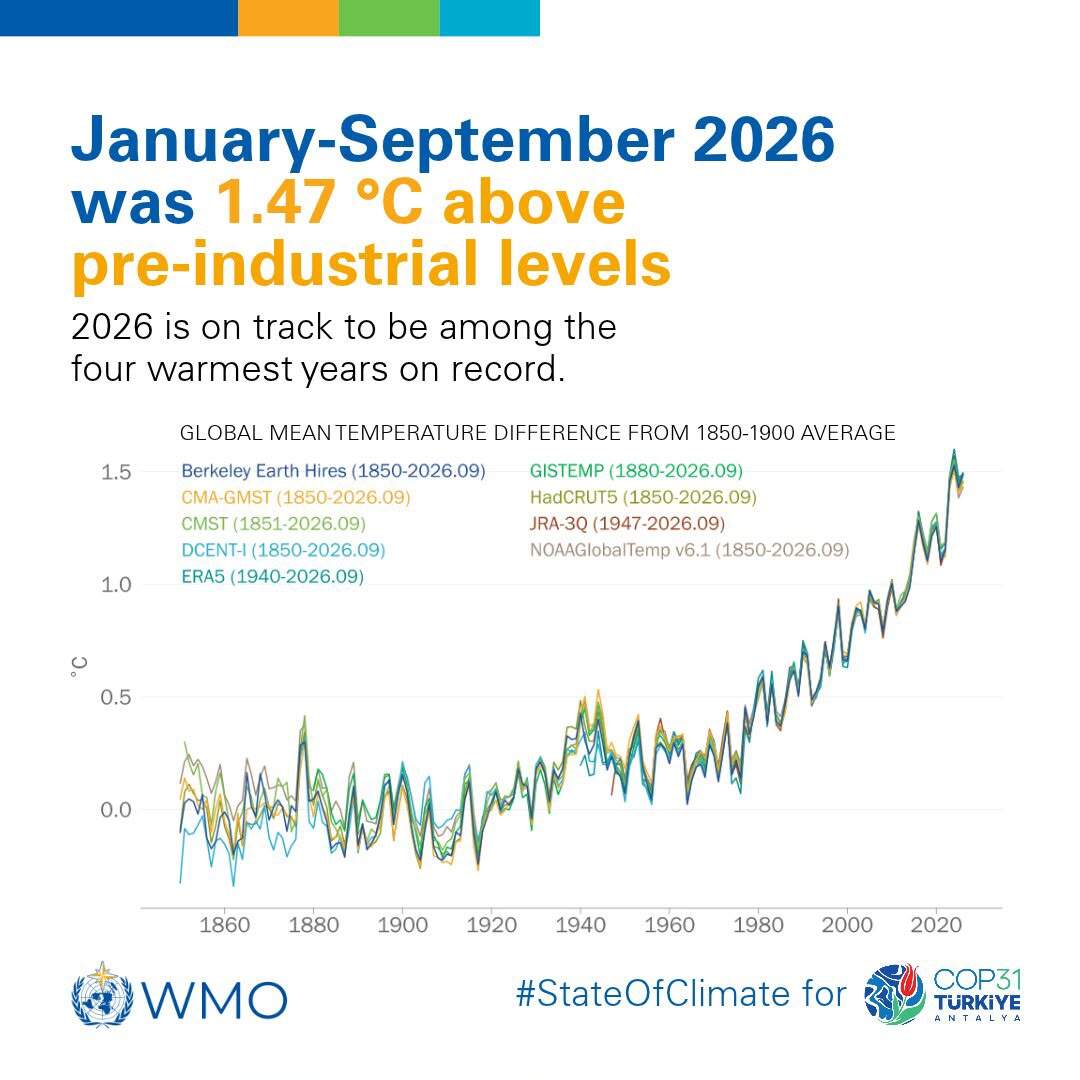
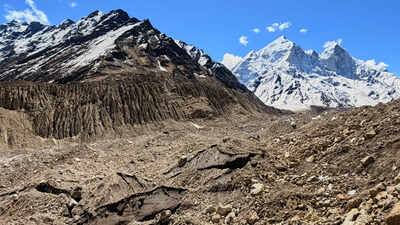
It underlined that the “protracted streak” of exceptional global temperatures, melting ice and rising sea levels is set to “unleash even more heat and extreme weather” well into 2027.So far, 2024 was the warmest year on record followed by 2023, the second warmest, and 2025, the third warmest. The report, released on the opening day of COP31, may underscore the urgency of taking action to prevent further increase in global average temperatures.The report also flags that the global mean sea level reached a record high in 2026, sea-surface temperatures hit monthly records this year, freshwater storage has been dwindling since 2014, and the glaciers lost more than 400 gigatonnes of ice in 2025 – equivalent to approximately 1 mm of sea-level rise. Simply put, this annual mass loss of ice in 2025 would have filled five Olympic pools every second of the year.“El Niño and indeed the state of the global climate in 2026 gives new meaning to the phrase off the charts. El Niño doesn’t add new heat to the planet. It releases heat from the ocean, which is the warmest ever measured… We are supercharging our weather and El Niño will be a risk multiplier,” said WMO secretary-general Celeste Saulo.El Nino is a naturally occurring climatic phenomenon characterised by above-average sea-surface temperatures in the central and eastern equatorial Pacific Ocean. It is a major influencer of climate and weather patterns, affecting temperature and rainfall in different regions and typically has a warming effect on the global climate. In India, it is invariably associated with a weak monsoon and a harsher summer.