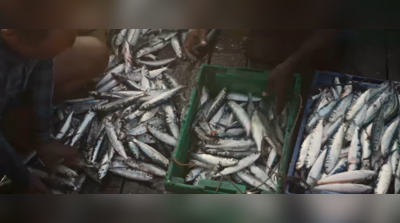
Pune: As cities expand and new infrastructure reshapes landscapes, wildlife conservation increasingly depends on decisions about how roads, power lines, coastlines and urban spaces are planned.Four documentary films, for which a screening was organised by the Habitats Trust at E-Square Multiplex in Pune on Tuesday, examined these conflicts while focusing on practical interventions that could help reconcile development with ecological needs.The screening was followed by a panel discussion on translating field research into solutions, including through planning and collaboration among stakeholders.Bridging the Gap, a part of the series Shared Spaces, examined the impact of India’s expanding infrastructure on wildlife. Directed by Emmy-nominated wildlife filmmaker Vijay Bedi and hosted by Bahar Dutt, the documentary explored interventions such as elephant underpasses and power lines designed to reduce risks to the Great Indian Bustard. The film raised questions about incorporating wildlife movement and ecological connectivity into infrastructure planning rather than addressing these concerns after projects are completed.Urbanisation and habitat loss were centred on flamingoes, from the series On the Brink. The film follows the Greater Flamingo in the National Capital Region, where the bird is a year-round resident and not merely a seasonal visitor. Through researcher Amit Kumar’s work, it examines how urban expansion, shrinking habitats and climate change affect wildlife within rapidly growing cities.Rushikesh Chavan, director of The Habitats Trust, said economic growth could be pursued by working with natural capital, bringing science and diverse stakeholders together. “The films collectively underline the need to integrate ecological concerns into decisions on infrastructure, urban planning and resource management,” he said.“These documentaries also point to the role of local communities, researchers and those involved in development in identifying solutions. The challenge is to make such measures part of planning and implementation, rather than leave conservation to respond to damage after it occurs,” said Chavan.Paani Suar, another film from the series directed by Akanksha Sood Singh, turns to Andaman and Nicobar Islands. It documents efforts by local communities to develop a citizen-science monitoring network for dugongs. It highlights how scientific research and community participation can help monitor a species threatened by human activity and climate impacts.Seeking Sardines, the fourth film, examines the Indian oil sardine’s importance to marine ecosystems, affordable nutrition and fishing livelihoods. The fish stocks are witnessing uncertainty because of warming seas, changing monsoon patterns, fishing pressure and industrial demand. With this, implications are extending beyond biodiversity to coastal economies and food security.