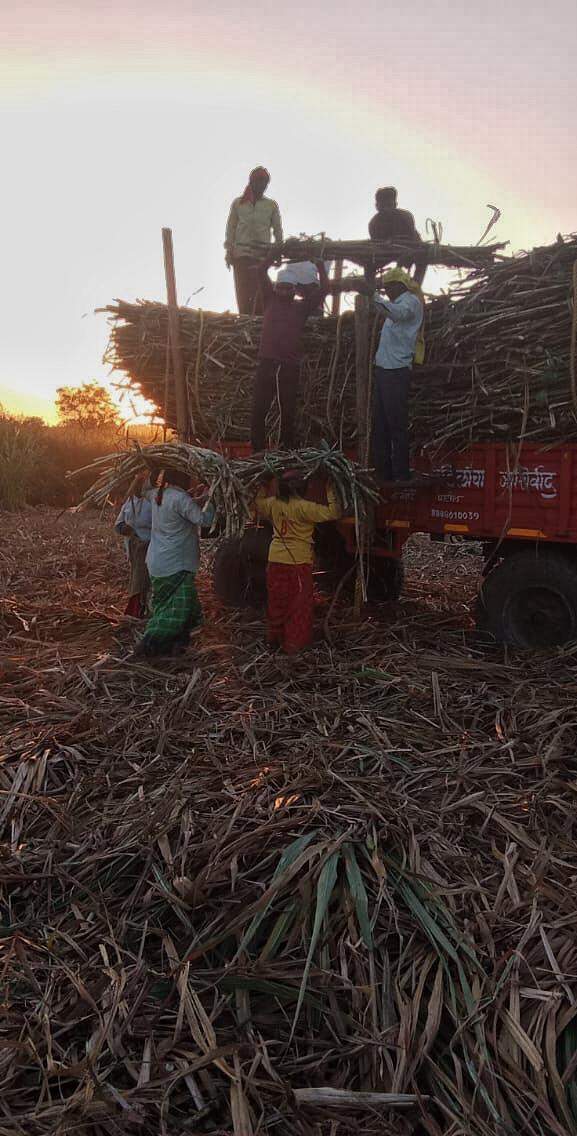
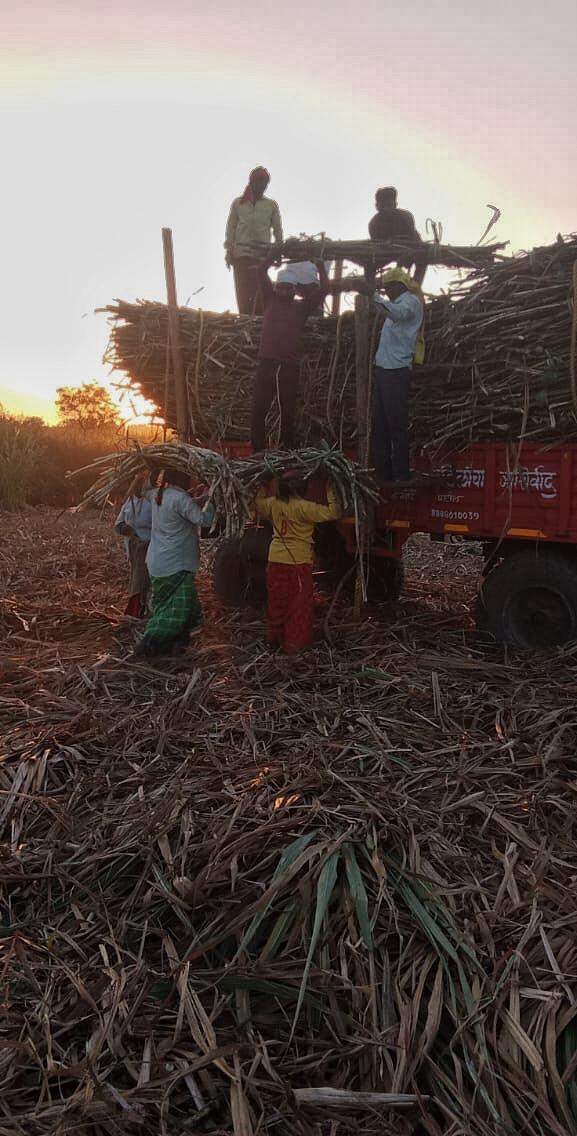
Pune: The 10-year-old’s request is small. A packet of biscuits. For now, however, it is beyond her reach.“I have to tell my daughter ‘no’ because I simply cannot afford it,” Deepmala Kale, the 31-year-old single mother, says, her voice breaking.Eight years ago, Deepmala left an abusive marriage and returned to her parents’ home with her children. Today, she supports four children and her ageing mother. Farm work is her only source of income. Around her, however, the fields in Beed’s Kej taluka lie lifeless. There is no crop. There is no farm work. And there is no money.The drought has scorched farms across Maharashtra. In the state’s most parched villages, especially in Marathwada, it is taking a greater toll on the fragile lives of widows, abandoned women and single mothers who survive one day, one wage, one meal at a time. For many of them, the crop failure means an empty kitchen shelf. A child sent to bed hungry. A mother calculating whether she can afford a small packet of biscuits.Manisha Ghodke, a 32-year-old widow from Beed, has to raise three children alone. For a month, she has found no work. “Every crop in the area has withered. With it, the work has disappeared too,” she says. “There were days last month when I did not have enough money to buy groceries. I have money to last a week. Before Diwali, I will have to ask my father to send some bajra and wheat,” she says.The state’s drought has erased livelihoods that women relied on for survival. Sowing, weeding, harvesting, packing produce. The jobs paid barely Rs 250 a day, but they put food on the table. Now, even those wages have vanished.In rain-starved Shivni village, just 12 km from Beed city, another widow, Manisha Dolas, puts on her worn slippers every morning and sets out in search of work. Her soybean crop on 1.5 acres has almost completely failed. “The cane-cutting season has not started yet,” she says. “Until then, I have to somehow find work every single day.”Soon she will join the annual migration from Marathwada to western Maharashtra’s sugar belt, where lakhs toil as cane cutters in one of the most back-breaking jobs.But migration is not easy for women. Unlike men who can leave in search of work, many women are tied down by children, elderly parents and household responsibilities. Moving to cities means unaffordable rents, unsafe conditions and the constant risk of exploitation.“Most of these women are supporting both children and ageing parents,” says activist Tatwasheel Kamble. “They cannot simply pack up and move. In many ways, they are trapped by the drought.”The district administration says efforts are underway to provide relief and employment. Beed collector Vivek Johnson said works have already been identified under the Viksit Bharat Guarantee for Rozgar and Ajeevika Mission (VB-GRAMG). “We are ensuring employment opportunities for all those seeking daily-wage work,” he says.Some women, though, are confused about the benefits. Others get lost in paperwork and procedural hurdles.Dolas, for example, opted out of the Ladki Bahin scheme, fearing it would be discontinued. As one person cannot take benefit from two govt schemes, she switched to the Sanjay Gandhi Niradhar Yojana for a widow’s pension. Her monthly Ladki Bahin benefit stopped immediately. The pension, however, has still not started.For families surviving hand-to-mouth, every delayed payment matters.Activists warn that the months ahead could become even harsher. “With livelihoods collapsing and savings exhausted, women may be forced to pawn jewellery or borrow from moneylenders,” says Kamble. They could fall into debt cycles that outlast the drought itself.State has declared most of Maharashtra drought-hit after a failed monsoon devastated kharif crops and depleted water sources. But beyond the drying reservoirs and fields lies a quieter emergency. Widows and single mothers are stretching meagre savings, searching for work and struggling to support children and ageing parents as farm incomes collapse.