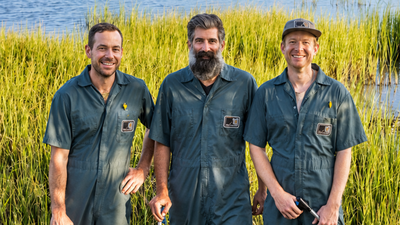
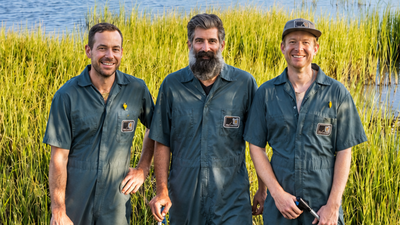
Three new fathers in Charleston, South Carolina, wanted their children to grow up with a closer connection to nature. Their answer was to start with a neglected tidal creek near their homes, where rubbish had accumulated and the surrounding wetland faced pressure from development and urban runoff. In 2022, Joel Caldwell, Blake Scott and Blake Suárez organised a neighbourhood clean-up, expecting only a small group of volunteers. Instead, around 50 people turned up. The response encouraged the friends to expand their efforts beyond collecting rubbish. Through their initiative, known as the M.A.R.S.H. Project, they began protecting marshland, planting native vegetation, involving students in environmental monitoring and encouraging residents to care for Charleston’s natural habitats.
How three new South Carolina fathers started a conservation movement
The friends established the Marsh Appreciation and Restoration Society for Happiness, abbreviated as the M.A.R.S.H. Project, during the COVID-19 pandemic. Caldwell is a photographer and writer, Scott is a historian and international studies professor at the College of Charleston, and Suárez is a graphic designer.As new parents, they wanted their children to experience the natural world despite growing up in a developed urban neighbourhood. Halsey Creek, which runs through the Wagener Terrace neighbourhood, offered an opportunity to make that possible close to home.The founders initially expected a small group to join their first clean-up. Instead, around 50 volunteers arrived after Suárez helped publicise the event, showing the friends that other residents were keen to get involved in caring for the local environment.
The clean-up that brought 50 neighbours together
The volunteers began removing rubbish that had accumulated along the creek. Over subsequent clean-ups, they retrieved tyres, radios, televisions and other discarded items. The work eventually included removing a car engine from the marsh with the help of winches.The initiative soon expanded beyond waste removal. The founders organised educational activities, public talks and planting events to help residents understand the ecosystem around them. They also encouraged neighbours to take part in conservation activities that could be carried out close to home.
Why Halsey Creek matters to Charleston
Halsey Creek is a tidal salt marsh in Charleston’s Wagener Terrace neighbourhood. It connects to the Ashley River and forms part of the city’s remaining urban tidal creek ecosystem.Wetlands provide habitat for birds, fish, insects and plants, help filter some pollutants from water and can absorb and slow floodwater. These functions are particularly important in Charleston, a low-lying coastal city that faces tidal flooding and heavy rainfall.The creek supports wildlife in an increasingly developed urban landscape, with birds such as kingfishers and egrets observed around the marsh. However, a road crossing restricts tidal movement through part of the creek, while surrounding development and runoff place additional pressure on the waterway.
The friends bought land to protect the marsh
One of the project’s significant steps was acquiring approximately one acre of land alongside Halsey Creek. The purchase was intended to prevent the parcel from being developed into housing and help preserve the marsh.The initiative has also involved planting native species, collecting native seeds and establishing pollinator gardens. The founders have encouraged residents to incorporate native vegetation into their own properties, creating additional habitat for insects and birds.In April 2023, the M.A.R.S.H. Project became a programme of the Carolina Ocean Alliance, a Charleston-based non-profit organisation working to protect, preserve and restore coastal ecosystems. The partnership provided an organisational base for the group’s community activities and restoration efforts.
Students and residents join the restoration effort
The project has expanded to involve residents, students and other local organisations. Activities have included citizen-science monitoring, water-quality testing, native-planting events and educational programmes. Students from the College of Charleston have also participated in internships and community outreach connected with the initiative.The founders are working towards a wider ecological corridor across the Charleston peninsula, encouraging residents to plant native species and preserve natural spaces so that habitats around different creeks become more connected.Their efforts have also contributed to discussions about Halsey Creek’s future and ways to improve neighbourhood resilience. A watershed plan developed with scientists, students and other partners outlined nature-based approaches to flooding and ecological restoration. The work helped inform the City of Charleston’s Halsey Creek Headwaters Masterplan, which addresses the area’s ecological conditions and flood risks.