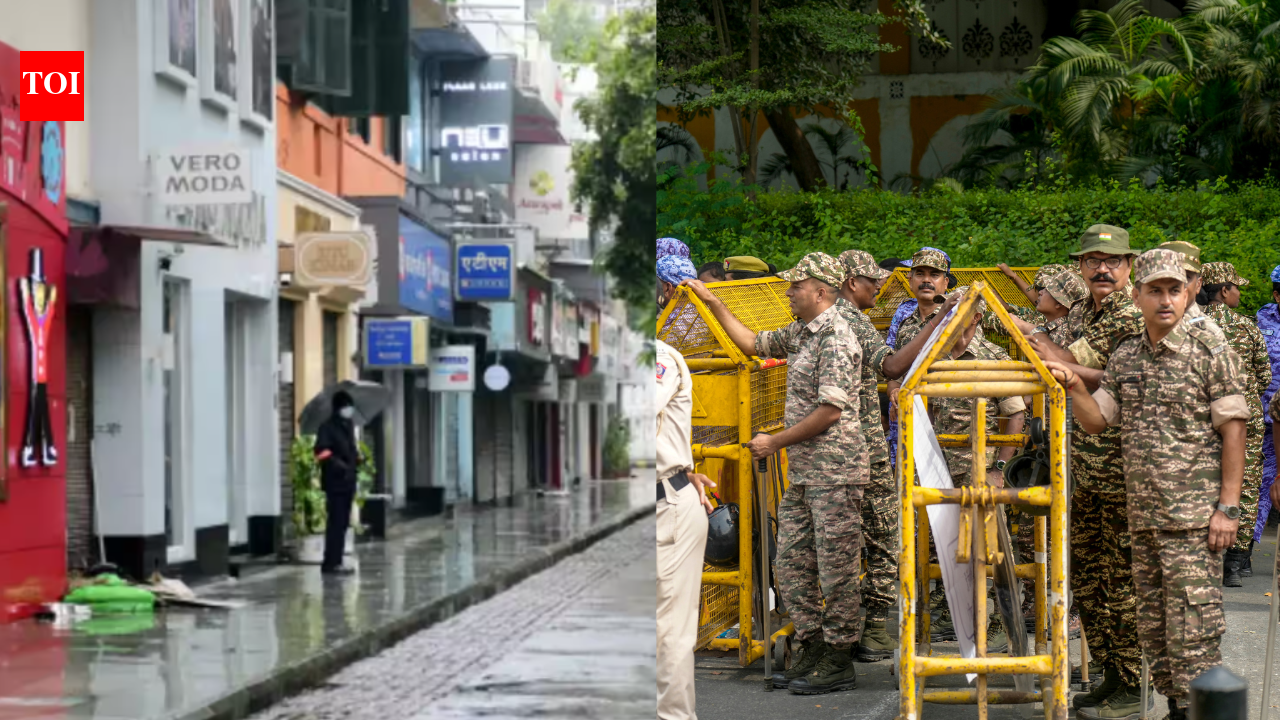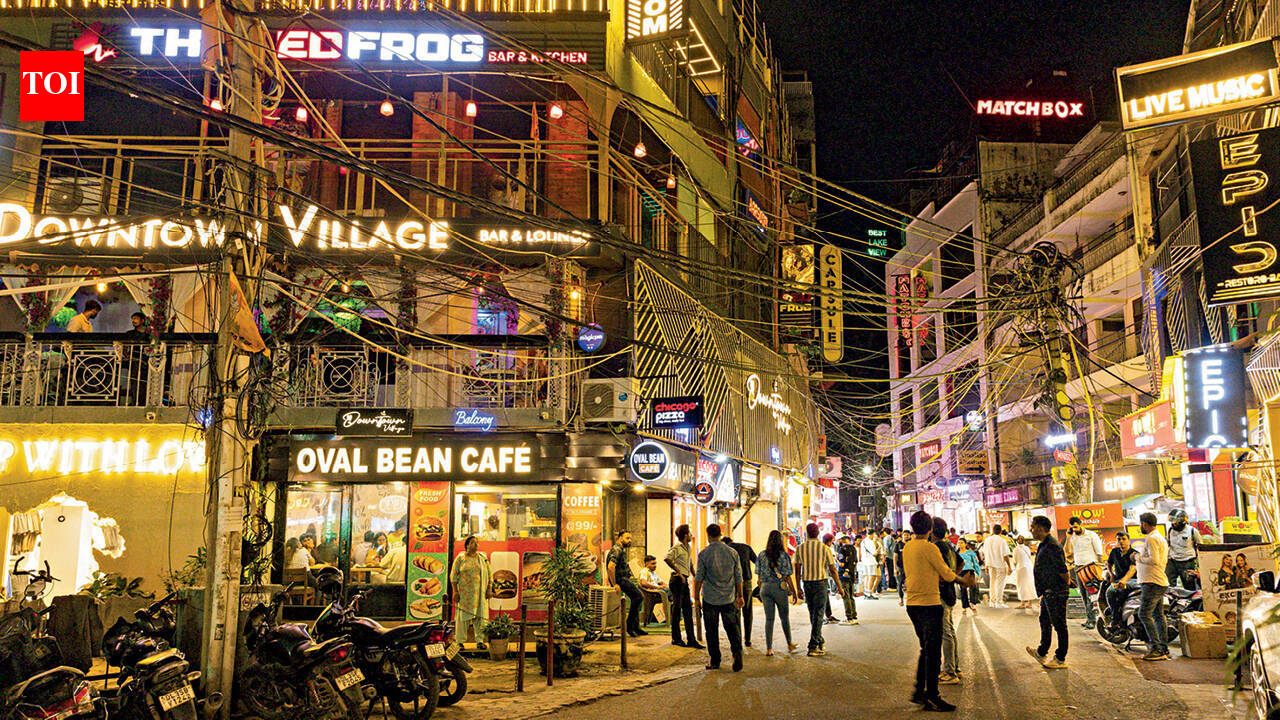
From cosy boutique stores to the highly aspirational multi-designer store, quaint cafes and hidden coffee spots in the lanes, small artisanal shops to art galleries, and vintage stores to hidden thrift stores – Hauz Khas Village of the late ’90s and early 2000s had this unique blend of affordable and aspirational that made it appealing to youngsters back then. If vibe had been the buzzword in the ’90s, Hauz Khas Village definitely had the right one.And all those who made it their adda in the early 2000s would agree. Be it gedi maarna, a picnic in Deer Park, sitting around the lake, checking out stores or club-hopping at night, there was enough to spend an entire day at HKV. For millennials, weekends would often mean heading to HKV, and there was a certain kind of pride worth flaunting if you knew all the new places there or had partied at almost every lounge and club.There was also a time when you didn’t need to check Instagram to know which place was trending. You heard about a new opening from friends, landed there over the weekend and then probably hopped to another place in the same lane. We knew which narrow staircase led to which club, which terrace had a good view and where you were most likely to bump into half the people you knew. And yes, getting a table on a Saturday night without a reservation was almost an achievement.Its massive popularity was also one of the reasons why HKV became a hotspot for clubs and restaurants. There was a phase when almost every week would mean a new opening. The narrow lanes got more crowded, parking became a nightmare and restaurants and clubs mushroomed in buildings that were clearly not meant to handle that kind of footfall, raising concerns over fire safety and other issues. But despite everything, millennials didn’t switch loyalties from their favourite hangout spot for a long time. We complained about the traffic, parking and crowds, and still landed there the next weekend.Eventually, Delhi gave us newer places to hang out. Aerocity emerged as a nightlife and dining destination and there was a resurgence of Delhi’s OG hangout spot – Connaught Place. Greater Kailash I and II, Meherchand Market and Mehrauli also started giving us enough reasons to explore beyond HKV.And all those who witnessed HKV in its prime also witnessed its downfall. Just for the sake of reliving the good times, some of us who used to be regulars revisited the place, only to be disappointed by the run-down bars and ushers screaming “one plus one” and “live music” to lure the few people passing by. For a place where finding space to walk on a weekend was once difficult, seeing those empty lanes was almost unbelievable.Perhaps that’s also why the downfall of HKV hits Delhi millennials differently. This wasn’t just another market where restaurants opened and shut. This was where many of us spent our weekends, celebrated birthdays, met friends, discovered new cafes, danced till late and, at some point, knew the lanes well enough to have our own favourite spots.Now, we hear that after the gradual downfall of Delhi’s once-affluent hipster village, neighbouring G Block Market is on its way to attaining a certain status as a restaurant hub. We can’t help but wonder: Can the area revive the glory of HKV?And even if it does, will it ever mean the same thing to those of us who remember a time when saying, “HKV chalte hain?” was enough of a weekend plan?