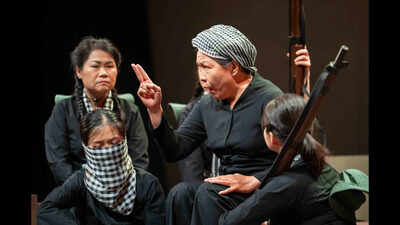
From a Russian puppet show that featured puppets appearing to breathe fire and performing acrobatics to a Vietnamese production exploring the themes of war and peace, BRICS Theatre Festival, inaugurated by the Minister of Culture and Tourism Gajendra Singh Shekhawat brought different narratives to the stage from October 12 to 14. Held under the theme of Shared Stories, Shared Futures, the three-day festival featured 11 plays from nine countries — India, Thailand, Indonesia, Russia, Iran, Vietnam, South Africa, Kazakhstan and Ethiopia — alongside multiple academic sessions and discussions, encouraging future cultural collaborations.PUPPETS THAT HAD THE AUDIENCE CHEERINGThe first day featured the Hindu mythological story of Samudra Manthan and an academic session, while the second half of the day was filled with the energetic Thai Khon masked dance-drama based on the Ramakien (a Thai epic derived from the Ramayana) and the Indonesian play Iluh Tana (Tears of the Earth), which used the metaphor of a mother to explore the damage caused to the planet from mindless extraction and careless waste disposal.The second day presented a Russian puppet show which was no less than a spectacle that regaled the adults and the children alike, drawing a sea of phone cameras, giggles and whistles. An ape puppet was greeted with particular enthusiasm, while a sequence in which a puppet appeared to breathe fire as the lights dimmed proved a highlight.
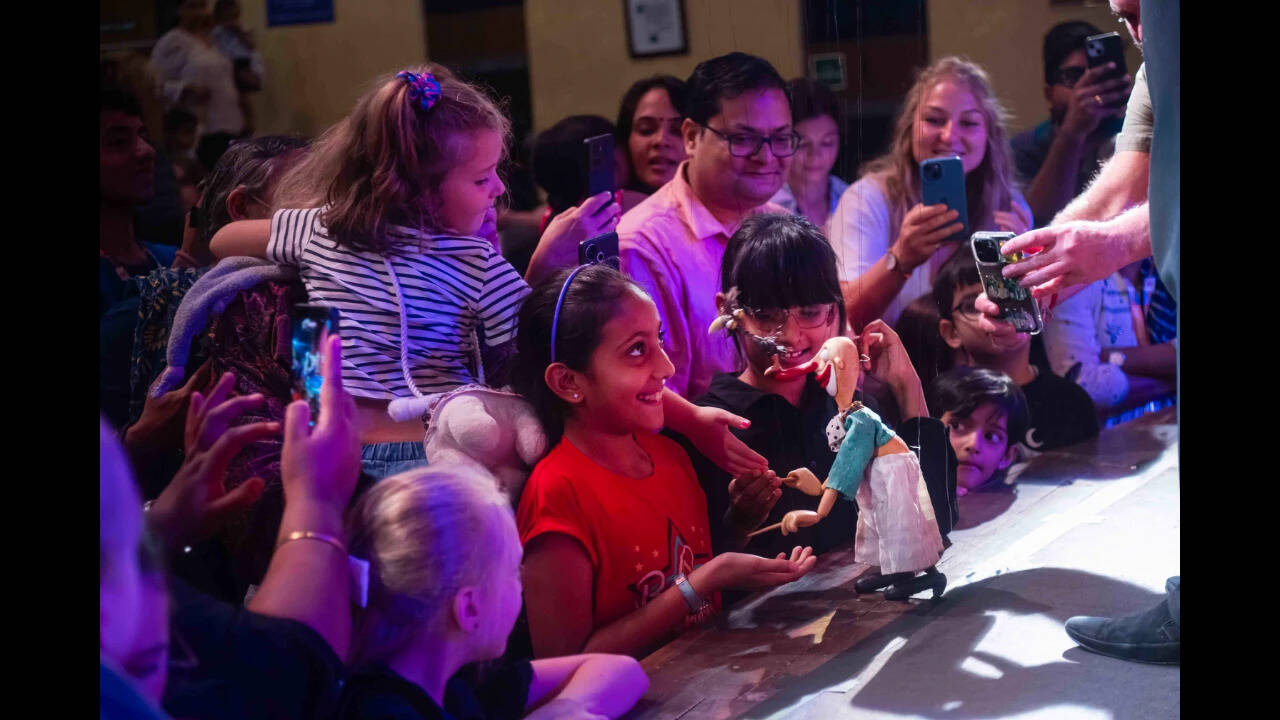
The Russian puppet show had the younger audience captivated
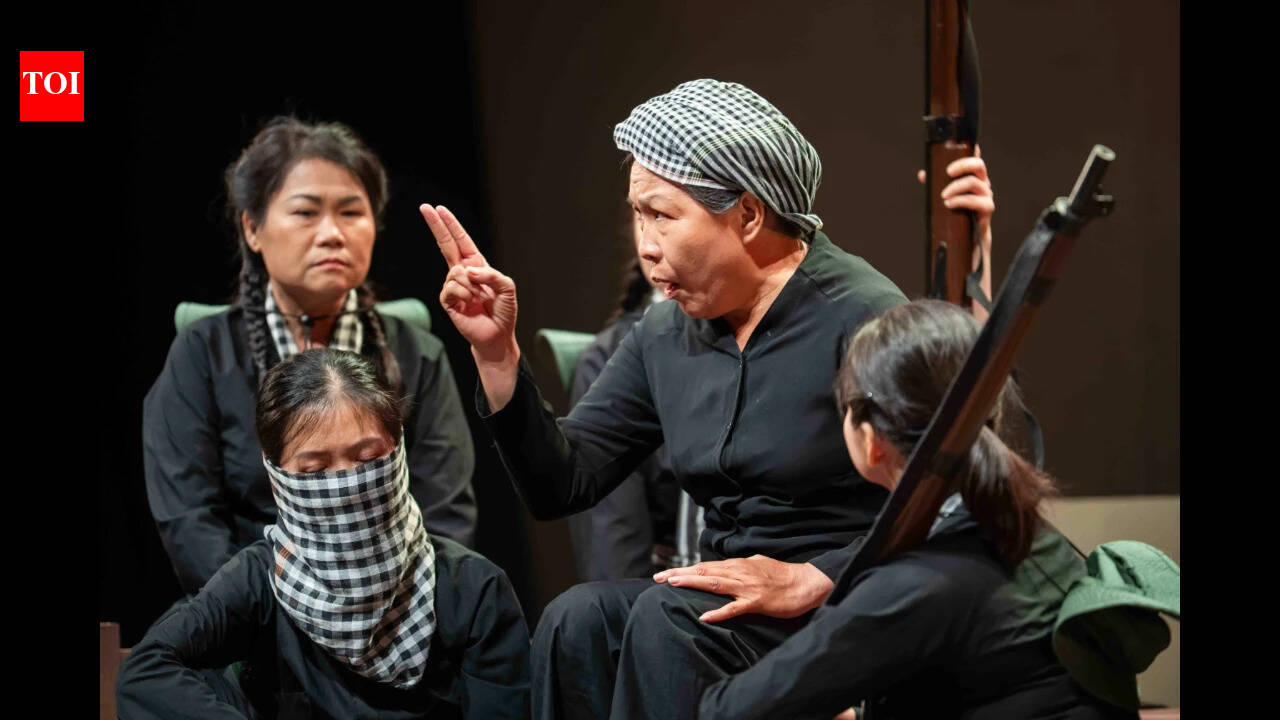
Later in the night, a Vietnamese production, Land of Steel, offered a solemn experience where the story explored the Indochina War (1946–1954), and the US-Vietnam War (1955-75). A Vietnamese artiste, Ho Van Nhan, described its central message as one of “sacrifice, love and above all peace.” “I hope that the audiences can understand our history.”WHAT TRAVELS ACROSS LANGUAGES?For South African artistes, watching Samudra Manthan in Hindi did little to obstruct the understanding of the story.“The communication was very clear, even though we didn’t understand what was being said,” artiste Milu said, praising the performers’ use of their bodies to convey emotion. “I think the story was easy to follow, even if the details weren’t there for us.” “But in terms of what was happening, how we were meant to feel, everything felt very clear,” Imitha, another South African artiste, added.
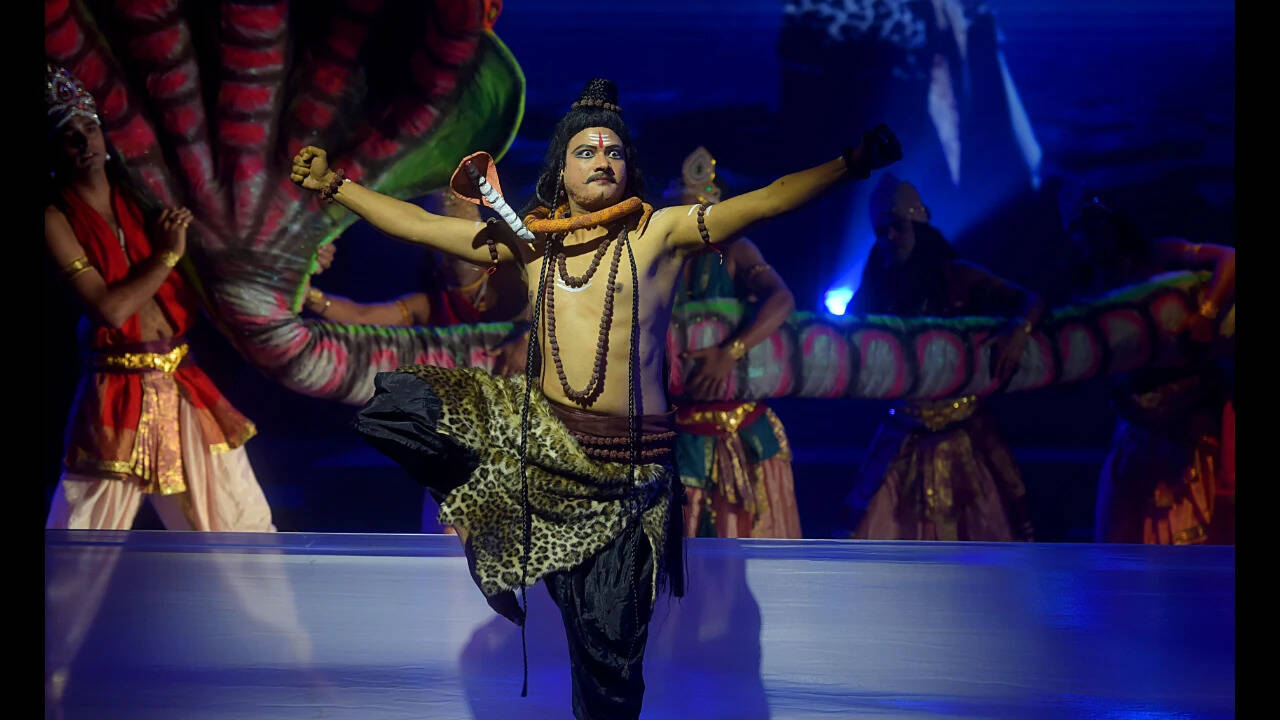
A still from the play Samudra Manthan
Explaining what stayed with her after the performance, Milu mentioned, “When we spoke to the Thailand team, they were telling us about their traditional dancing. Something we’ve never seen before. I keep going back to the details of the costumes and how it’s used in the performance.”These exchanges reflected the festival’s larger ambition to bring artists and audiences into contact with unfamiliar performance traditions. Speaking about the idea behind the festival’s curation, National School of Drama director Chittaranjan Tripathy said, “We wanted to reflect the diversity of theatrical traditions and contemporary concerns across participating countries.”‘THEATRE CONNECTS US BEYOND WORDS’For South African delegate and educator Tandi Buchan, the value of such encounters extended beyond the performances themselves.
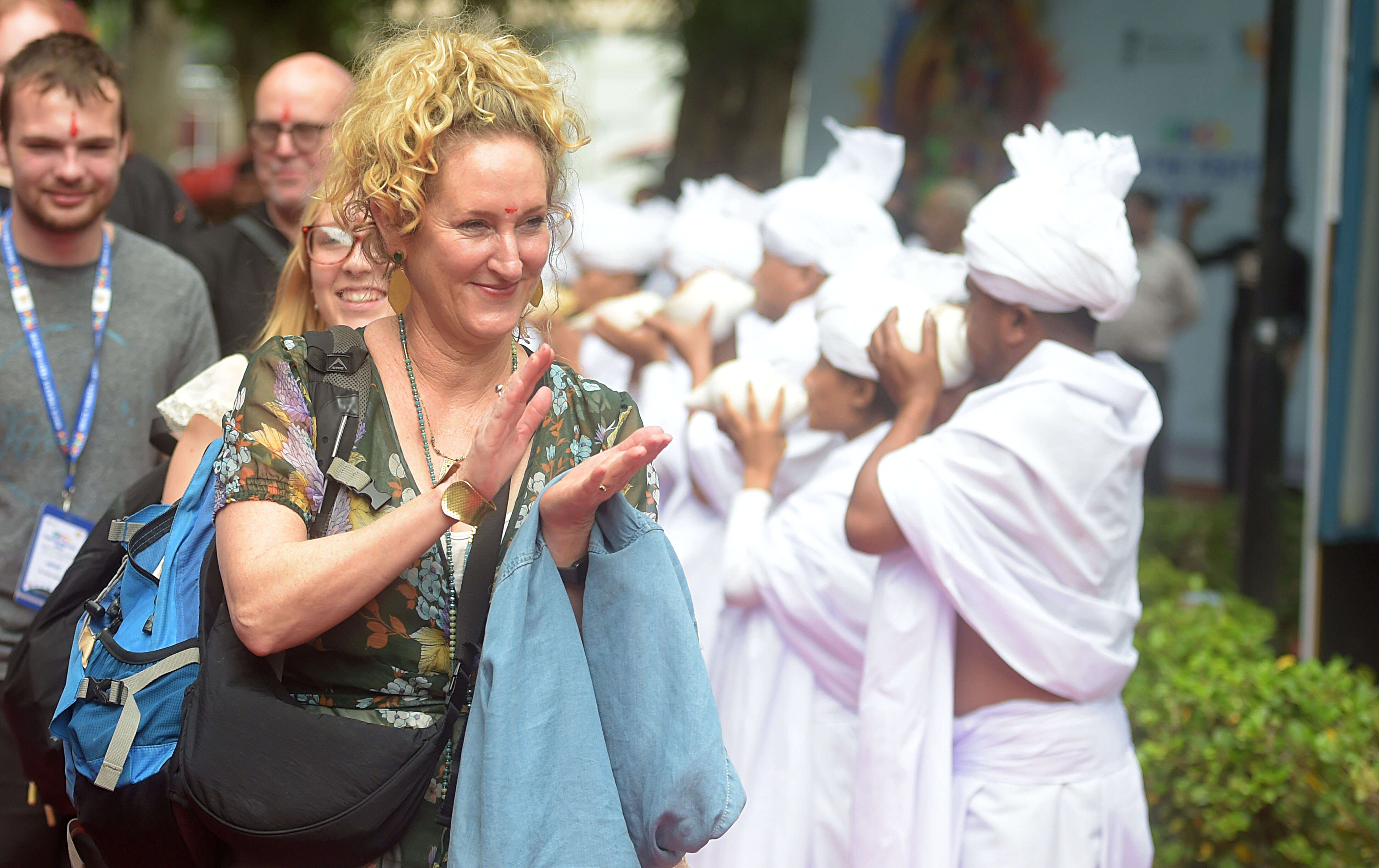
South African educator Tandi Buchan at the BRICS opening ceremony
“Theater skills teach us how to have agency, to adapt quickly and be flexible.” Reflecting on the growing dominance of artificial intelligence, Buchan stated that theatre helps to “bring more feeling from one human to another, connecting us beyond words. So I’m hoping that will be reflected in our production.”The festival concluded on October 14 with Louha Purush, an NSD Repertory Company production on the life and legacy of Sardar Vallabhbhai Patel.— Anvita Singh