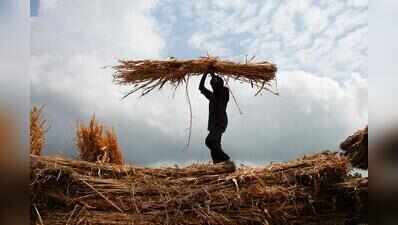
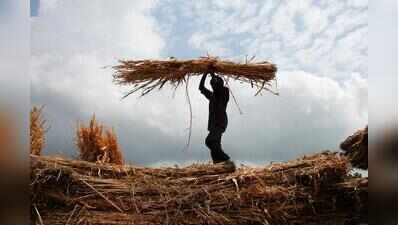
Pune: With drought conditions affecting several parts of Pune district and raising concerns over fodder availability for livestock, the district administration has planned fodder cultivation across 22,000 to 25,000 acres, targeting an estimated production of 5.5 lakh tonnes.It has also aimed to supply fodder to the other affected districts if the initiative goes as per the plan.Pune district has approximately 18.7 lakh livestock, including around 7.25 lakh cattle and buffaloes aged above one-and-a-half years, 3.10 lakh other smaller livestock and 8.36 lakh goats and sheep. Ensuring adequate fodder for this population is a key consideration in the district’s drought preparedness.The initiative aims to meet local requirements and supply fodder to other drought-hit districts if needed. The administration has estimated that the fodder currently available in the district will last only about three months, prompting it to focus on increasing production, distributing seeds and promoting scientific fodder storage and conservation.The initiative assumes significance as the agriculture department has initiated crop damage assessments across ten drought-affected tehsils — Bhor, Velhe, Khed, Ambegaon, Junnar, Shirur, Daund, Purandar, Baramati and Indapur — covering an estimated 1.25 lakh hectares of kharif crops.The drought conditions have raised concerns over the availability of agricultural resources, including fodder, in the coming months. “Under the plan, farmers with irrigation facilities will receive fodder seeds under a 100% subsidy. The seed distribution process has been completed at the administrative level, and the seeds are expected to arrive within the next eight to 10 days. Distribution to farmers will follow taluka-level plans,” district collector Jitendra Dudi said.The programme is being coordinated by the animal husbandry department and the office of the district superintendent of agriculture. “The administration plans to prioritise fodder cultivation on individual farms, group farms and other agricultural land with irrigation facilities. Officials will monitor the process from sowing to harvesting to ensure that the targeted production is achieved,” a senior official from the district administration said.Alongside increasing green fodder production, the administration will promote silage-making to preserve surplus fodder for use during periods of scarcity.Farmers and livestock owners will also be trained in the proper storage of dry and green fodder, maintaining nutritional quality and providing animals with essential minerals and supplementary nutrition.Demonstrations and farmers’ meetings will be organised in the areas served by veterinary dispensaries. Each dispensary typically covers five to 10 villages, allowing the programme to reach farmers and livestock owners through village-level activities involving gram panchayats and local representatives.However, dairy farmers said that no training has been given to the farmers yet, and many are worried about the health of their lactating cattle.Dipak Alhat, a dairy farmer from Khed tehsil, said, “The expenses of fodder has increased due to the high demand in the market. The possible shortage of green fodder in the coming months has disturbed the dairy farmers because they don’t know how to feed their cattle in this scenario. Therefore, the animal husbandry department should conduct a special village level training programmes so that the farmers will store fodder and even cultivate if they have water sources.”Officials are focusing on both increasing cultivation and improving the storage and planned use of available fodder to reduce wastage and maintain livestock health and productivity.“We have also planned to supply fodder to other districts facing shortages, depending on their requirements and the availability of surplus production,” a senior official said.“Some pockets of the district have adequate water for the next few months. If they grow fodder, it is very much possible for us to supply fodder to affected districts in Marathwada districts. Also, the farmers would get a good value for their fodder in this period because of a high demand for dry and green fodder in the market. Therefore, we expect to get a positive response from the community in the district,” said a senior official from the animal husbandry department.Officials will periodically review seed distribution, cultivation, production and fodder availability to assess whether the district can meet its livestock needs through the coming months of potential scarcity.