The PIC of flight AI 2379 has failed the confirmatory dope test and was found to have consumed marijuana, sources said.
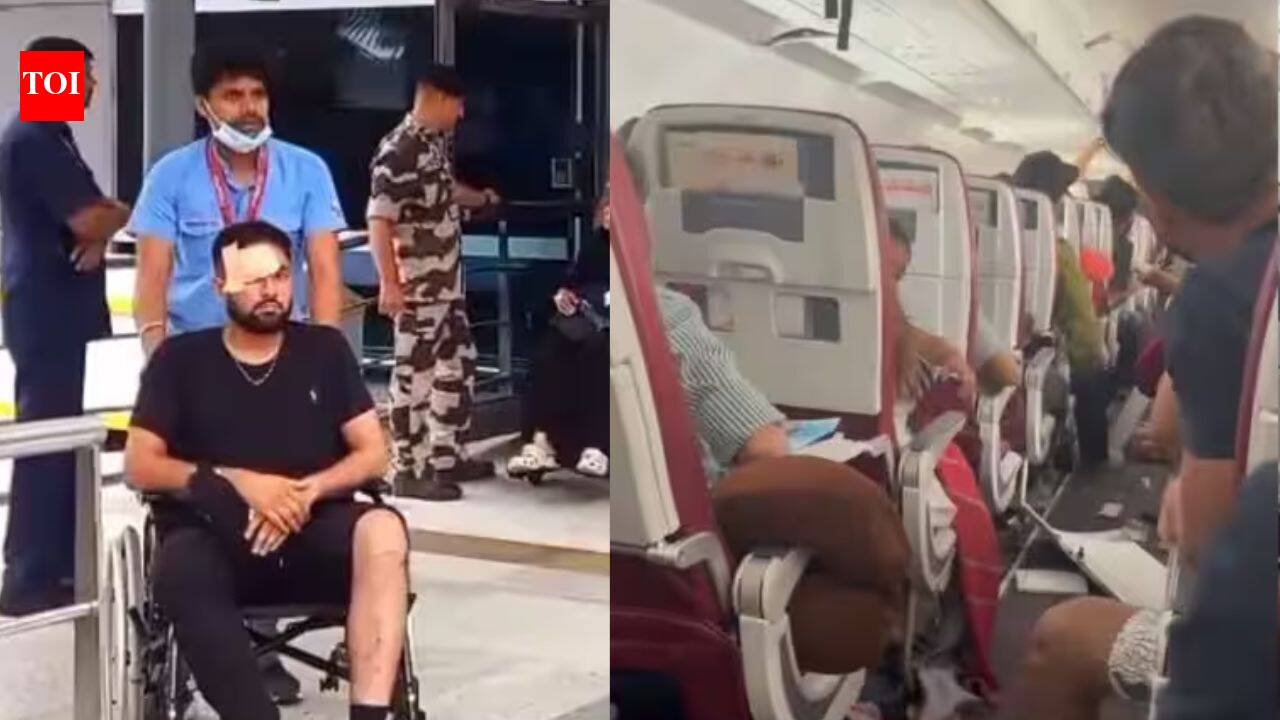
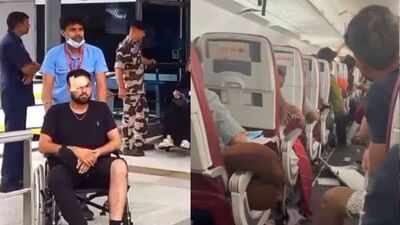
NEW DELHI: The pilot-in-command (PIC) of last Tuesday’s Phuket-Delhi Air India flight was allegedly under the influence of psychoactive substances during the flight, with sources saying he was at times sitting on the floor of the flight deck and had to be helped back to his seat by cabin crew.“He was often sitting on the floor of the flight deck and tried to smoke out. Cabin crew had to help him back to his seat. He was not in full control of himself. He was unable to walk properly after exiting the aircraft,” sources told TOI. Air India did not comment on the cabin crew’s alleged complaints.The PIC of flight AI 2379 has failed the confirmatory dope test and was found to have consumed marijuana, sources said. The cabin crew have filed a complaint with the airline over the PIC’s alleged behaviour onboard.Sources said criminal action beyond DGCA rules may be taken against the pilot. Under DGCA rules, a pilot who tests positive for psychoactive substances is required to be sent for de-addiction and can resume flying after being cleared.The young co-pilot is learnt to have had to single-handedly steady the aircraft and subsequently land it safely at the destination.The incident came after the aircraft experienced a sudden loss of altitude that left 20 passengers and four cabin crew members injured. The probe will determine whether the loss of altitude was caused by a series of multiple and rare technical snags, which the co-pilot has reportedly mentioned in his report, or by an action of the PIC while he was allegedly in this condition.When the aircraft experienced the loss in altitude, the PIC is learnt to have been standing and leaning behind the co-pilot’s seat. The Airbus A320 momentarily went into a “negative G” situation, causing the PIC and objects in the cockpit to float up, while passengers who were not seated with their seat belts fastened were injured.The cabin crew have submitted a report to Air India. The co-pilot may also have informed the airline’s ground control about the PIC’s behaviour, following which the unusual step of subjecting the cockpit crew to drug tests — instead of only breathalyser tests — was taken.An alarmed aviation ministry summoned Air India’s outgoing CEO Campbell Wilson to express concern over the incident and seek details on how the airline was handling the matter, as well as how it planned to emerge from its prolonged period of operational turbulence.Asked about the confirmatory test, the aviation ministry said in a statement on Tuesday: “Certain records, statements, medical information and other material collected during the investigation are protected and confidential in accordance with the applicable investigation framework…. AAIB requests all concerned to respect the investigation process and refrain from drawing conclusions… AAIB will conduct a thorough investigation covering all material facts and relevant evidence and will issue its preliminary findings.”The Aircraft Accident Investigation Bureau (AAIB) said it was conducting a systematic collection, preservation and examination of all relevant technical, operational, medical and human-factor evidence.“This includes examination of the aircraft and its systems, recorded flight data, relevant operational and maintenance records, medical information, and interviews with persons concerned. All material evidence will be examined in its entirety before any conclusions are drawn. The sole objective of the investigation is to determine the circumstances and contributing factors relating to the occurrence and to identify appropriate safety measures to prevent recurrence,” the government said.Union aviation minister Ram Mohan Naidu said the government was taking the matter seriously and reviewing the existing regulations.“We are studying (the issue) and are taking it very seriously. The current regulations will be improved if found not upto the mark,” he said.The DGCA is reviewing its rules titled “procedure for examination of aviation personnel for consumption of psychoactive substances”.India’s senior-most pilots have said it is time to differentiate between pilots who test positive after taking medication for sleeping or anxiety and those found to have consumed “true” psychoactive substances.Airlines have a list of medicines that pilots need to avoid for certain hours before a flight because they could cause drowsiness.“It is human to instinctively take a pill for sleeping or allergy and then test positive. They can’t be punished and need to be counselled. But those taking weed or the like must face stricter deterrents,” pilots said.
Do you believe pilots should be subjected to more rigorous drug testing?
3k+ users shared opinion today
5k+ users already voted today
3k+ users shared opinion today
Apart from massive financial losses, the incident has once again put Air India’s operations and training under scrutiny, at a time when the airline is trying to regain public faith following last June’s Ahmedabad crash.Wilson had in 2024 conveyed his intention to step down as Air India CEO to airline and Tata Group chairman N Chandrasekaran in 2026. His successor has been identified but is yet to take over.While the Tatas and partner Singapore Airlines have pumped in thousands of crores into the airline and there have been significant cosmetic improvements, Air India is still looking for leadership and professional management that can establish the culture required to fly the airline out of turbulence.