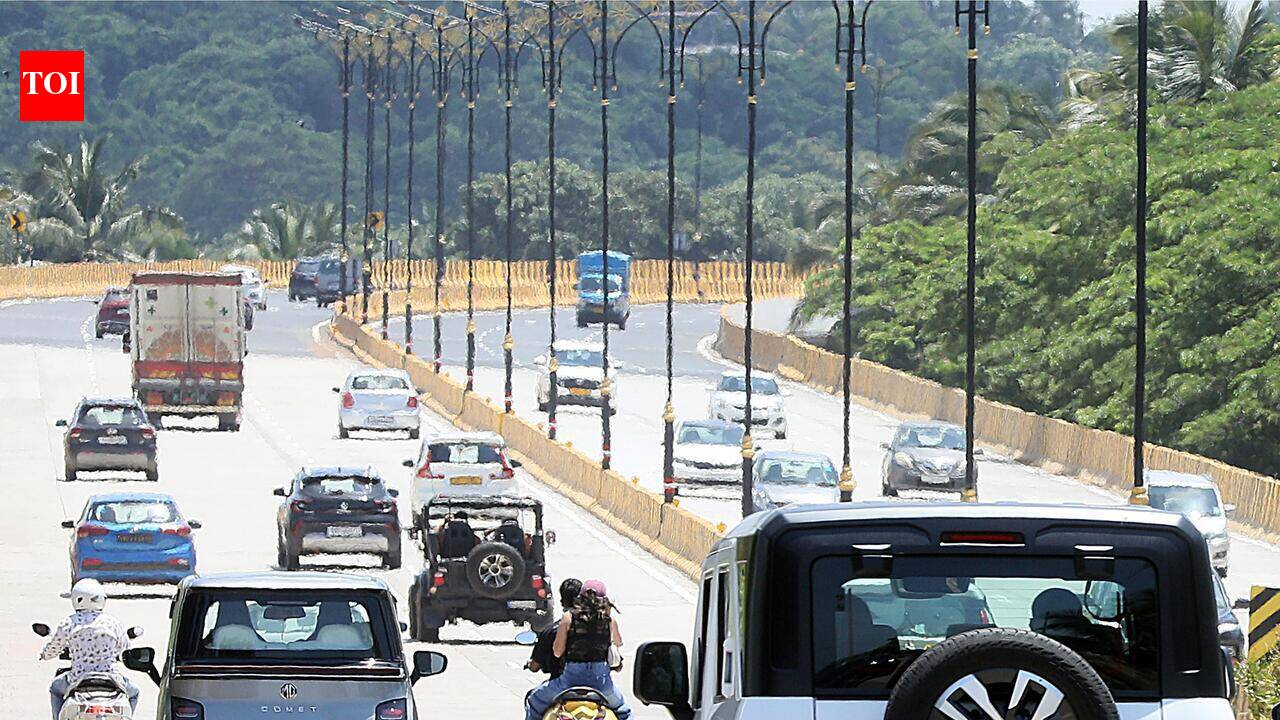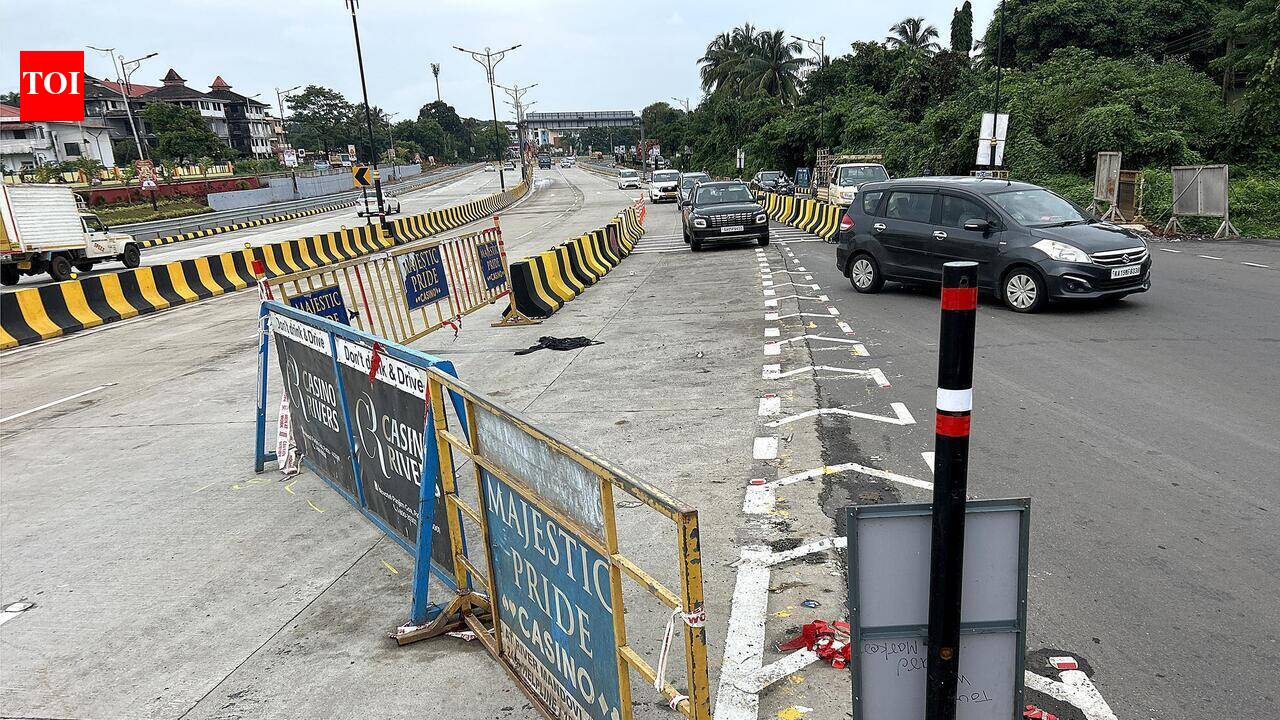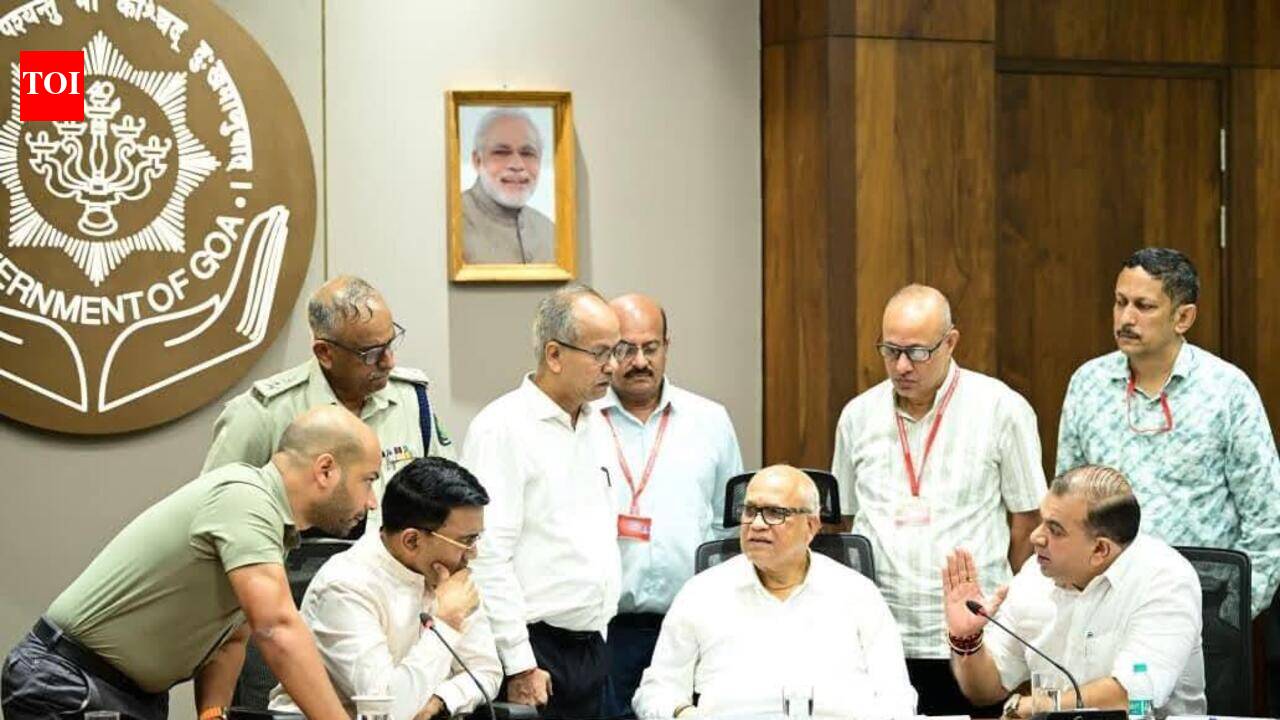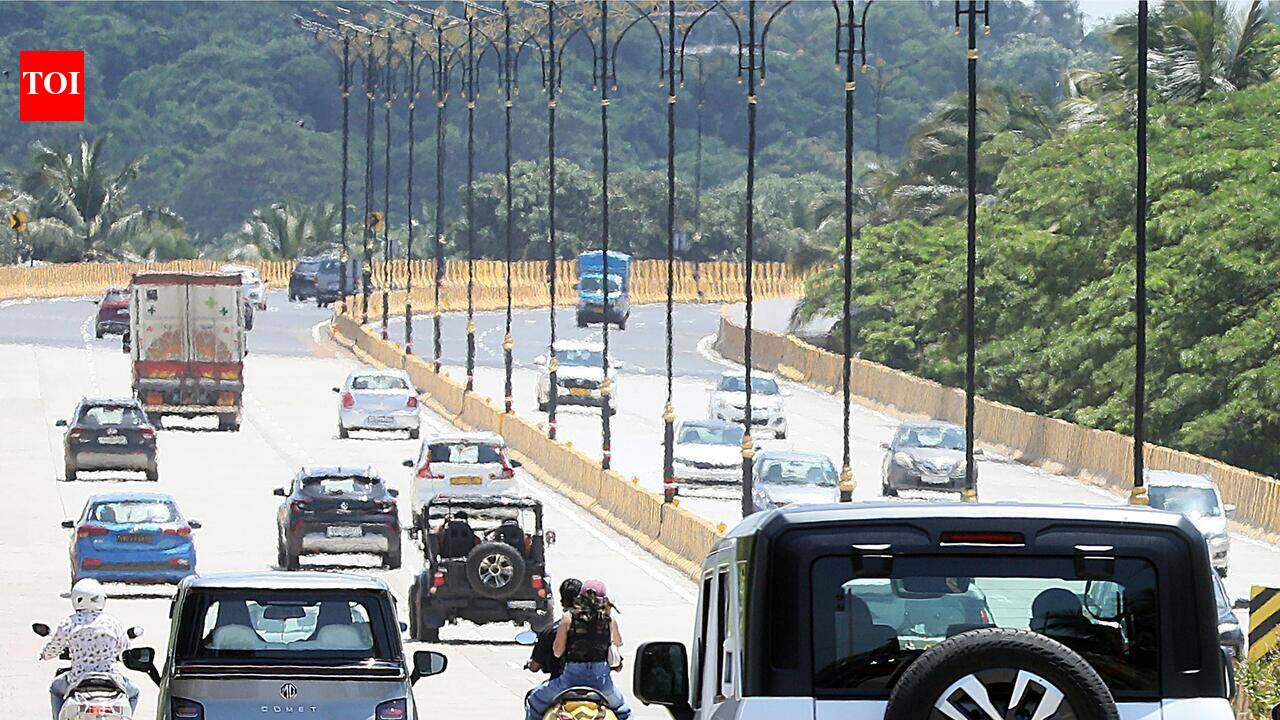
Panaji: On Sept 11, the day the six-lane elevated corridor opened, the North Goa district road safety committee met in the state capital. Even though the Rs 641-crore flyover was just hours from inauguration, the PWD did not brief the Supreme Court-mandated committee on the project or its traffic-flow plan.Less than 24 hours later, the flyover recorded its first two fatalities. In response, the PWD’s national highways division took a knee-jerk decision to close the entire flyover and the Atal Setu to the very categories of vehicles that the two flagship projects were designed to carry.The impact was immediate at the state capital’s entry points. Yet, the PWD did not consult the State Road Safety Council, the North Goa district road safety committee, the village panchayats most affected by the disruption, or the road transport authority.“The PWD has never invited the committee to see the design of the flyover or given a brief about the flyover traffic plan. Even on Saturday or Sunday after the accident, it could have convened an urgent meeting of the North Goa district road safety committee. It has never consulted the committee that has been notified and constituted as per the order of Supreme Court,” said committee member Roland Martins.Since then, the PWD has reopened entry and exit points in a staggered manner, but experts say these stopgap measures cannot address fundamental design flaws.“They are trying temporary arrangements, but that is not going to solve the problem. The real problem will start in Oct when there will be a tsunami of tourists, particularly over the weekends. They are not going to see the small signage installed,” Martins said.Goa Road Safety Forum’s president Dilip Naik has repeatedly questioned the lane design where traffic exits Atal Setu and merges into the flyover.“What is the point in making a new flyover? There is a lot of criss-crossing at KTC Panaji below Atal Setu. What did we learn from that mistake?” Naik said. “We should have had up-ramps and down-ramps for this flyover.”While the PWD may point to political interference, Martins argues accountability ultimately rests with engineers and consultants.“From Day 1, the problem is that PWD’s NH division has not involved a professional agency, even after the accident took place. It is not transparent or accountable. A politician is no expert. The consultant, the engineer, are getting paid to design and execute a project. PWD officials have not taken the RTO and the traffic cell into confidence,” Martins said.On June 10, IIT-Madras — home to a centre of excellence on road safety — conducted a workshop for district road safety committees on data-driven interventions to reduce fatalities. Officials from the Goa police, traffic cell, transport department, and other agencies participated. Despite that engagement, IIT-Madras was not called in after the Sept 12 fatal accident. Instead, IIM-Nagpur was brought in, with PhD students tasked with proposing solutions.Road safety experts have also questioned the rationale for prohibiting two-wheelers from the elevated corridor, noting that the accident was not caused by two-wheeler riders. They point out that two-wheelers are permitted on the Zuari bridge and on the expressway from Bambolim to Margao.Commuters say govt’s ad hoc planning is evident in the abrupt shutdown of the interchange linking the Porvorim elevated corridor with Atal Setu. The closure has limited motorists’ ability to use the two structures as an integrated bypass of both Porvorim and Panaji, pushing more vehicles onto alternative roads and worsening congestion.