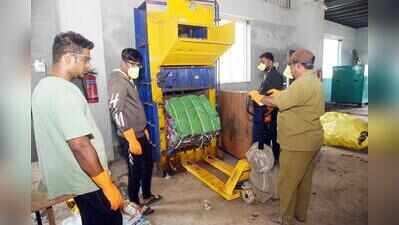
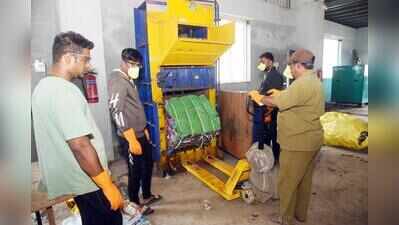
Pune: Next time you visit Mahabaleshwar, spick-and-span tourist spots may spring a surprise.The credit for better waste management in the hill station goes to a dedicated facility capable of processing seven tonnes of dry waste daily. The initiative comes against the backdrop of mounting garbage and concerns over pollution of water bodies, including an earlier reported problem of horse manure contaminating water sources used for drinking and contributing to gastroenteritis cases among residents and tourists.The material recovery facility, set up at the existing waste disposal site on Tapola Road, is now processing waste collected from the Mahabaleshwar municipal area. Dry waste, including plastic and cardboard, is segregated and sent to recycling units. The project also aims to gradually clear the legacy waste accumulated at the site, where garbage has been dumped without adequate segregation for years.Pri Shewakramani, co-owner of Mahabaleshwar-based Brightland Resort & Spa and founder of the volunteer-led initiative Swachh Mahabaleshwar, said the project stemmed from the realisation that periodic clean-up drives alone could not keep pace with the volume of waste generated by tourists and local establishments. “We needed a system to collect, segregate and recycle waste regularly,” she said.Shewakramani started Swachh Mahabaleshwar, organising monthly clean-up drives with hotels, local businesses, the municipal council and the forest department. “The group conducts cleanups at different locations on the first Wednesday of every month. Over time, the initiative highlighted the need for a permanent waste management system,” she said.The founder of Swachh Mahabaleshwar began working on the project with the then Satara district collector around six years ago. The district administration helped facilitate the initiative, while the JSW Foundation funded the machinery. Mahabaleshwar Municipal Council provided the site and is responsible for the workforce and day-to-day operations. A waste management partner has been engaged to train workers in segregation and improve processing practices.Satara district collector Santosh Patil said the facility had been set up with corporate social responsibility support from JSW. “Processing has now begun,” he said.“Mahabaleshwar is a major tourist destination and falls in an ecologically sensitive zone. It is important that the hill station remains clean. A solid waste management project is essential for this,” Patil said.He said recycling could also help the municipal council generate revenue. “Segregated plastic and cardboard are processed before being sent to factories, potentially providing an income stream to support waste management operations,” he said.The initiative is set to expand beyond the municipal limits. Shewakramani said plans were underway to extend waste collection to five gram panchayats in surrounding areas, including the village around Kate’s Point.Yogesh Patil, chief officer of Mahabaleshwar Municipal Council, said, “Training on waste segregation has been organised for the participating villages and the municipal council staff. For areas outside the municipal council’s jurisdiction, the initial focus will be on the management of ‘dry waste’.”Legacy waste that had accumulated at the processing centre posed a significant challenge. According to Patil, “biomining” is being employed to process it. It would take another two months to completely clear the accumulated legacy waste, he said.“Windrow composting is currently being used for wet waste. We will soon begin processing it using an OMC (organic waste converter/mechanical composting) machine,” he added.Keeping tourist viewpoints clean is another part of the initiative. Cleaners have been deployed at major locations, including Kate’s Point and Bombay Point, with the forest department’s support to collect litter daily.Horse manure, a significant waste stream in Mahabaleshwar because of the number of horses used for tourist rides, remains unresolved. Shewakramani estimated that around three to five tonnes are generated daily. Collection from the main area has begun, she said, but a solution for processing or disposing of the manure was still being worked out. The initiative is intended to prevent it from being discarded indiscriminately, reducing the risk of waste reaching soil and water bodies.Sangita Jindal, chairperson of JSW Foundation, said the organisation supported the project because Mahabaleshwar needed a more effective waste management system. “The facility was a first step towards better segregation and recycling. Sustained efforts by the local administration and other stakeholders would be necessary to make it work.”