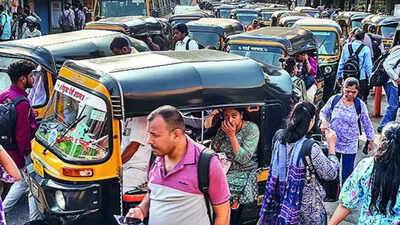
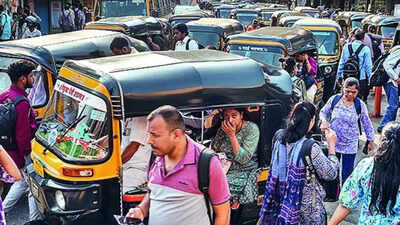
MUMBAI: Auto-rickshaw and taxi rides will cost more across the Mumbai Metropolitan Region (MMR) from midnight on Monday, with revised fares coming into effect from September 1. The state transport department on Sunday released the new tariff cards, giving commuters and drivers a reference point until meters are recalibrated.The minimum autorickshaw fare has been increased from Rs 26 to Rs 27 for the first 1.5 km. The subsequent fare has been fixed at Rs 18.22 per km, rounded off to the nearest rupee. For taxis, the minimum fare has risen from Rs 31 to Rs 33 for 1.5 km, while the subsequent fare will be Rs 21.90 per km.The increase will mean that a 10-km auto ride will cost Rs 182, up from Rs 171, while a taxi ride over the same distance will cost Rs 219, compared with Rs 207 earlier.The revised fares will apply across Mumbai, Thane, Navi Mumbai, Mira-Bhayander, Kalyan and the rest of the MMR.Under the new tariff, an auto ride covering 2 km will cost Rs 36, compared with Rs 34 earlier, while a 5-km journey will cost Rs 91 against Rs 86. For taxis, the fare for 2 km will rise to Rs 44 from Rs 41, while a 5-km ride will cost Rs 110, compared with Rs 103 earlier.Passengers travelling in AC black-and-yellow taxis will have to pay 10% more than the basic black-and-yellow taxi fare.A 25% additional fare will continue to apply for journeys between midnight and 5am.The department has also revised shared-ride fares. The minimum shared-auto fare will now be Rs 12, while the minimum shared-taxi fare will be Rs 11, with both increasing by Re 1.Waiting charges will range between Rs 1 and Rs 2 per minute, depending on the distance covered, officials said.The revised tariff cards will remain valid for three months, during which meters will be recalibrated. The recalibration process is expected to begin this week in phases and continue until November 30.Transport officials have advised commuters to ask drivers for the tariff card or keep a copy with them to check the applicable fare and avoid disputes during the transition period.Driver unions have welcomed the fare revision, while commuter groups have raised concerns about the additional burden on household budgets, particularly for those who regularly rely on autos and taxis for daily travel.