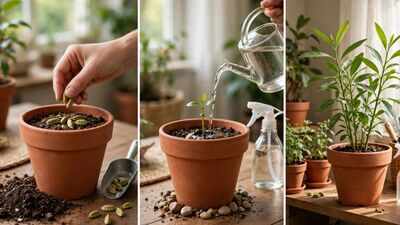
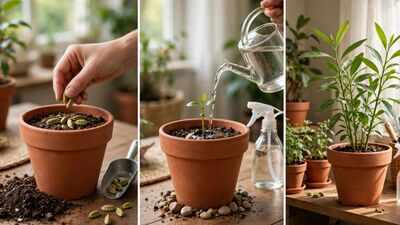
Cardamom is a tropical spice plant that can also be grown at home with the right care. It grows best in partial to full shade and prefers rich soil that stays moist without holding too much water. Growing it in a pot also makes it easier to move the plant to a warmer spot when temperatures begin to fall. Cardamom needs regular care and patience. It grows slowly and may take about three years to produce flowers and seed pods. The plant has long green leaves that can add a fresh, tropical look to a balcony or garden. A warm, humid environment can help it grow better and stay healthy as it develops.
Simple steps to grow cardamom in a pot
Choose a suitable pot and soil
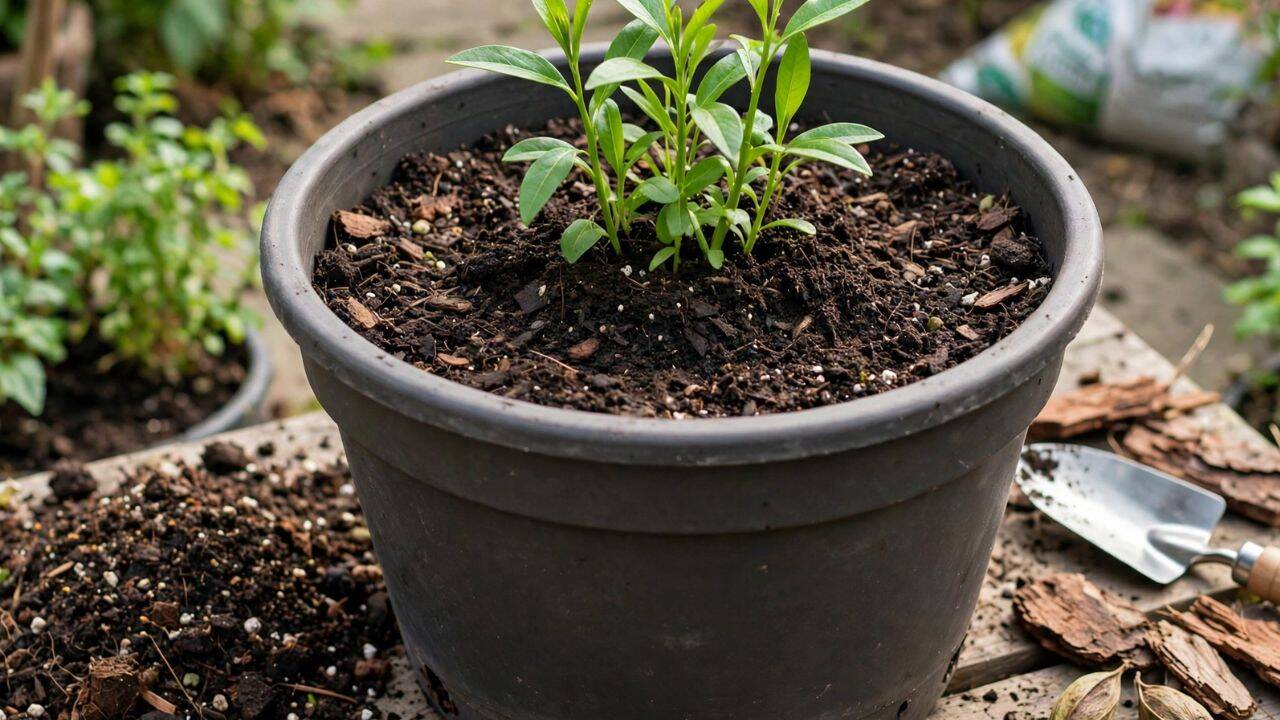
Choose a deep container with plenty of drainage holes so the cardamom roots have enough space to grow. A pot about 30 centimetres wide can give the plant enough space as it develops. Fill it with rich soil that holds moisture but drains excess water well. Cardamom grows best in slightly acidic soil with plenty of nutrients. Leave some space at the top of the pot when adding soil. This makes watering easier and helps keep the soil from spilling over. Growing cardamom in a pot also makes it easier to move the plant indoors when the weather becomes cold.
PC: AI Generated
Plant fresh cardamom seeds carefully
Cardamom can be grown from seed, but the seeds should be intended for planting rather than simply taken from an old spice jar. If seeds are collected from a well-grown plant, they should be sown soon after collection. Soaking the seeds overnight before planting can help prepare them for sowing. Plant them in moist, rich soil in a warm and partly shaded location. Germination can take around 30 to 40 days, so the pot should be left undisturbed while the seeds develop.
Keep the plant in partial shade
Cardamom naturally grows in rainforest conditions, so it does best in partial shade rather than strong direct sunlight. Place the pot in a spot with filtered light, such as under taller plants or in a sheltered part of a balcony. The plant still needs enough light for healthy growth, but harsh sunlight can damage its leaves. If growing cardamom indoors, keep it in a bright spot away from direct sunlight.
Keep the soil moist but well-drained
Regular watering is important because cardamom grows best in moist soil. Do not let the soil dry out completely for long periods. At the same time, excess water should drain through the holes at the bottom of the pot. Too much water can harm the roots.Cardamom grows best in warm and humid conditions. Rainwater can be used for misting. Along with humidity, the plant needs steady moisture, light, and warmth to grow well.
Give it time to produce pods
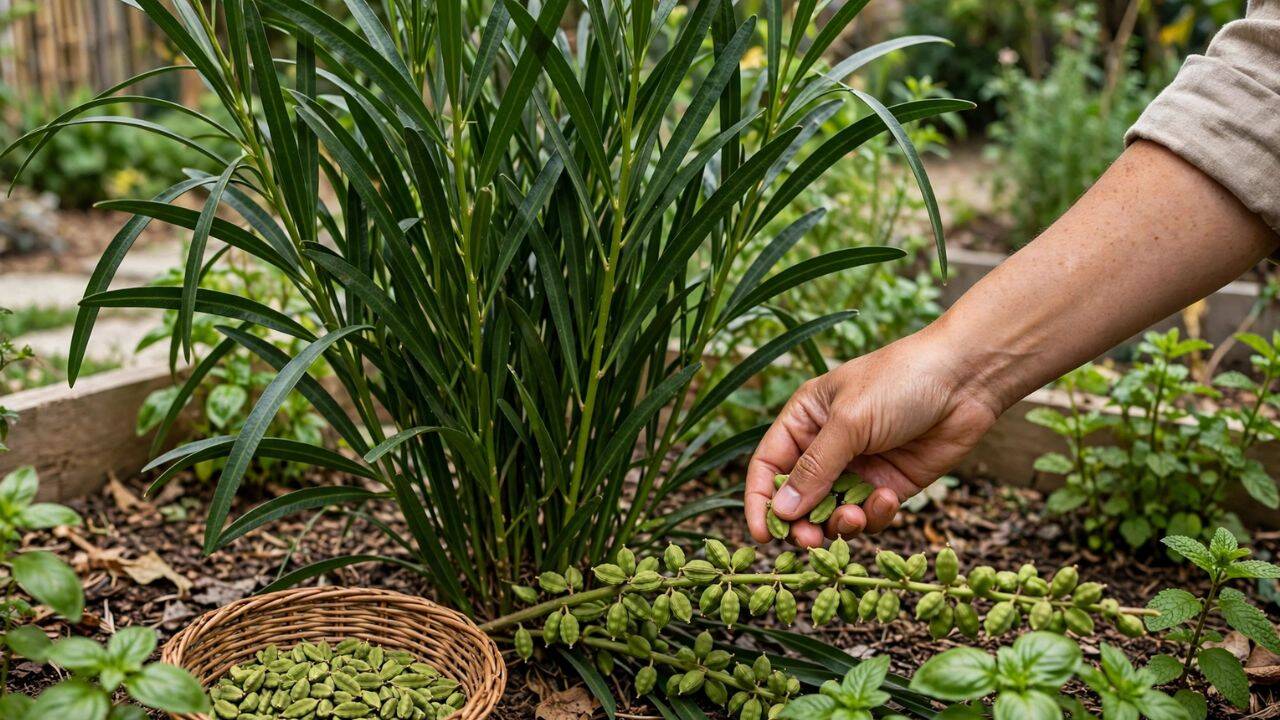
Cardamom grows slowly and may take about three years to produce flowers and seeds. Once the plant starts flowering, bees and other flying insects can help with pollination. If these insects are not present, the flowers may need to be pollinated by hand. The seed pods can be picked when they begin to split or come off the plant easily. Harvest each pod by hand to avoid damaging the plant as the pods are removed.
PC: AI Generated
Common mistakes to avoid while growing cardamom
Avoid placing cardamom in harsh direct sunlight
Cardamom grows naturally under the shade of tropical trees, so it needs protection from strong afternoon sun. Place the pot in a spot where it gets filtered sunlight or partial shade for most of the day. On a balcony, a sheltered corner or a place under taller plants can provide suitable light. If the plant is grown indoors, keep it near a bright window but away from direct sunlight. A suitable location can help protect the leaves from too much heat and keep the plant growing well.
Avoid keeping the soil constantly waterlogged
Overwatering can create unhealthy growing conditions, especially when a container has poor drainage. Always choose a pot with sufficient drainage holes and allow excess water to escape after watering. The soil should remain moist without becoming saturated. This balance is particularly important during periods of heavy rain or when the plant is kept indoors. Checking the condition of the soil before watering can help prevent unnecessary watering and keep the roots in better condition.
Avoid using a container without drainage holes
Cardamom needs regular moisture, so drainage becomes especially important. Choose a container with several drainage holes at the bottom and make sure they remain clear. A well-drained container prevents excess water from staying around the roots after watering. A wider container can give the plant enough space to develop as it grows.