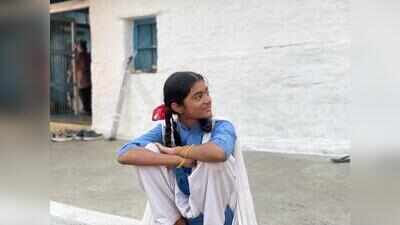
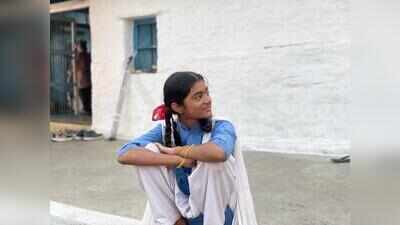
Pune: Why should a girl’s future be determined by the caste she is born into? The question has remained with filmmaker Shobhita Thakur ever since she met girls from the Banchhada community in Madhya Pradesh.This Sept, when her 27-minute film Khilawadi (The One Who Plays), which follows the story of 12-year-old Sapna who dreams of becoming a doctor, won best short film at the Altyn Minbar Kazan International Film Festival in Russia, her beliefs were reinforced. In the Banchhada community where girls face pressure to enter sex work, that dream is an act of defiance.Thakur, an alumna of Film and Television Institute of India (FTII), said the issue had long been close to her heart. “I come from Madhya Pradesh, from a scheduled caste family of social activists. So conversations about social inequality were always part of our lives,” she said.The Banchhadas are a denotified community concentrated in Madhya Pradesh’s Neemuch, Mandsaur and Ratlam districts. Women and girls from the community have historically faced caste-based exploitation, including family-based sex work. Access to education and official documentation can also be difficult for families, particularly children whose fathers are not named on their records.“My father was a police officer. The difference between my life and these girls’ lives was stark. Had I been born into their families, or they been born into my family, things would have been very different,” she said. After graduating from FTII in 2012, she worked in advertising and corporate films, and as an executive at Netflix, before making this film.She spent two days in Neemuch getting to know girls and their families in the area. “We talked to the girls and listened to their stories. Some told me they could not get caste certificates because their fathers’ names were not available. For a small community that has little political visibility, even getting basic documentation can become a struggle because they are not considered a significant part of the vote bank,” she said.The film’s reception abroad has shown that the questions it raises extend beyond India. At a screening in Russia, one woman stood up and said the experience depicted in the film had happened to her. Audiences in Canada, Italy and France also responded to its themes.“We tend to think that people in first-world countries do not face these problems. That is not true. Women everywhere face restrictions on their agency, in different forms. The circumstances may differ, but the denial of their right to decide for themselves is universal,” Thakur said.Khilawadi has also won awards at Canada’s FascinAsian Film Festival and Pune’s Buddha International Film Festival, and received recognition at Sweden’s Sama International Film Festival. It has also been selected to be screened at the 45th Cambridge International Film Festival on Oct 26 and 30.For Thakur, the journey matters because Sapna’s story has travelled beyond the community in which it is rooted, prompting audiences elsewhere to confront questions of gender, caste and choice.