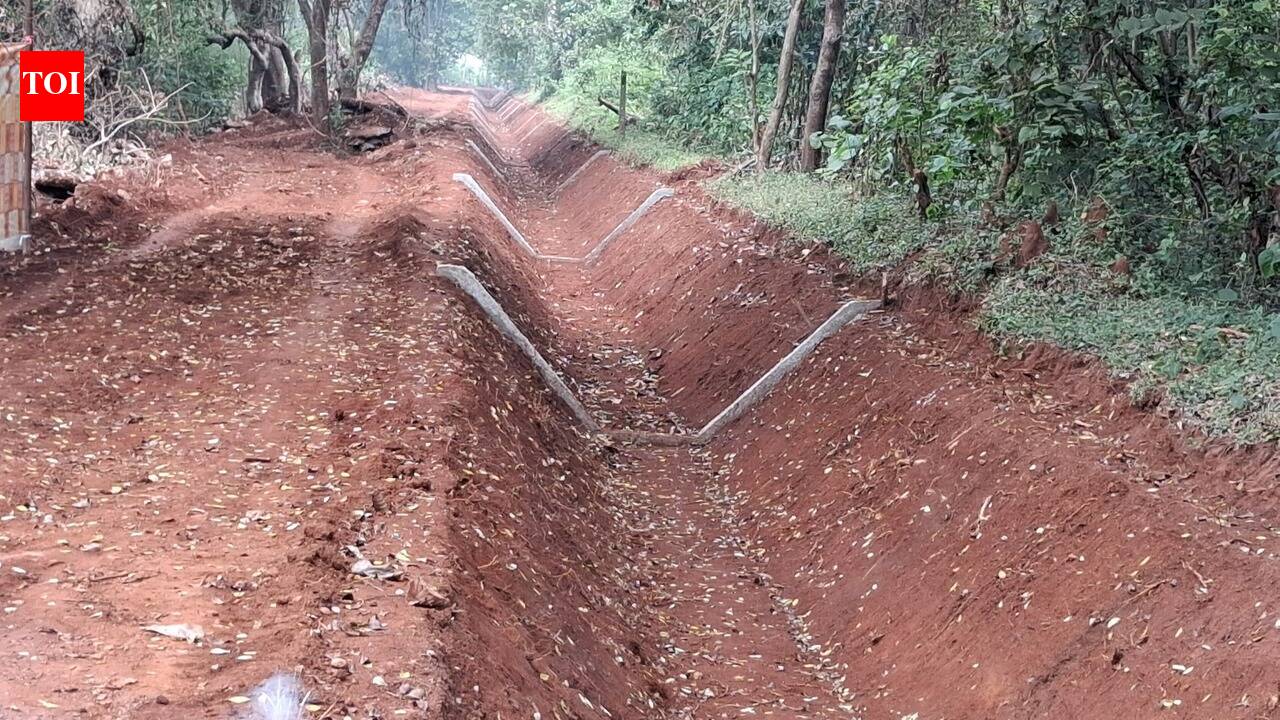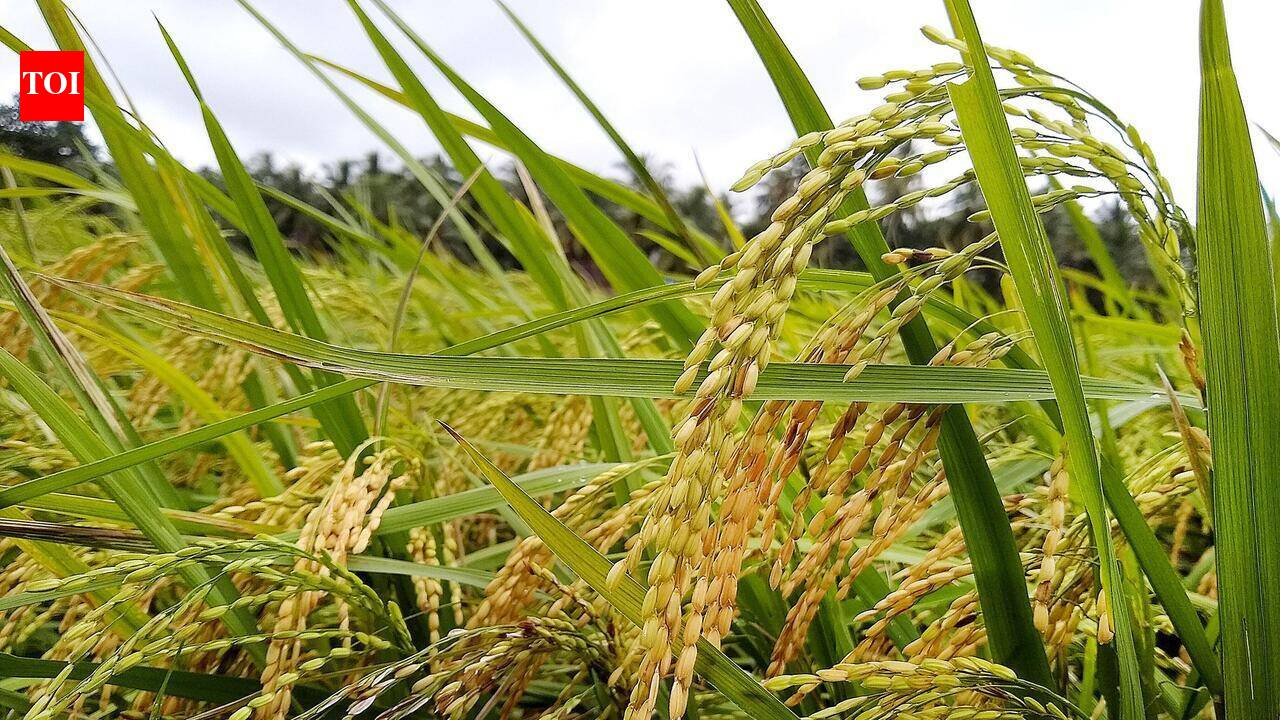
Margao: With scanty and erratic rainfall already denting this year’s kharif harvest, agriculture experts have advised farmers to start rabi cultivation at the earliest, while the soil still holds moisture, and to switch to pulses and other low-water crops. They also want the agriculture department to set up demonstration plots for such crops to give farmers confidence.The experts said the window is short. The recent showers have restored some moisture, but if sowing is delayed by 20 days to a month, the soil will dry out and seeds will not germinate.Fr George Quadros of Don Bosco Loutolim Society estimated that about one-third of the paddy area was affected, including fields where farmers did not plant because of the late and erratic rain. “The higher areas will not have the production because they rely totally on the rain that was absent,” he said, adding that low-lying fields, where most of Goa’s paddy is grown, will be spared.According to the Economic Survey 2025-26, in 2024-25, kharif paddy production fell to 77,768 tonnes from 1,01,688 tonnes the previous year, with average yield dropping from 4,335 to 3,257 kg per hectare. Rabi paddy was steadier at 37,110 tonnes, and total paddy production slipped to 1,14,878 tonnes from 1,42,056 tonnes. The Survey’s figures show rabi pulses on 3,829 ha produced 3,539 tonnes, and vegetables from 8,863 ha yielded 1,10,880 tonnes.Former director of agriculture Nevil Afonso agreed that kharif has been hit this year only in areas where crops were sown late. While he said kharif yield will be greatly reduced, the rabi crop may not be affected if water bodies get filled by the post-monsoon rains.Fr Quadros was more pessimistic about paddy in the rabi season that depends entirely on water bodies as some lakes were not desilted and some bunds were closed too late to harvest water. He foresees rabi paddy falling by as much as 50% on average. Areas such as Curtorim, the granary of Salcete, are an exception, he said, as the bunds there were closed early and the lakes are full.For farmers who cannot grow paddy this rabi, the experts suggested alternatives. Dr Sachin Tendulkar, an agro researcher, recommended short-duration crops like moong, which thrive on residual moisture. He also suggested bajra, which doubles as fodder, and said farmers need not limit themselves to field crops, as ancillary crops are an option. “Farmers should go in for rabi crop now when there is enough residual moisture. Also the dew in the air will add to the soil moisture,” he said.Afonso explained the usual rabi pattern. After harvesting kharif paddy, farmers go for vegetables or chawli (chickpea). Chawli is grown on sandy soils with good water-holding capacity and survives on the little moisture in the soil. Watermelon is grown the same way in Nuvem, Majorda and Cansaulim, whereas hinterland farmers must water regularly. In hilly areas, farmers depend on streams, ponds, wells and, in parts of South Goa, the Salaulim dam. The other main pattern is vegetables, about 80% of which is chilli, along with radish, onion and others. Many fields in Salcete are irrigated from lakes, and vegetable cultivation needs enough water in streams, lakes and nallahs, he said.Tendulkar said the department must back the shift to alternate crops. “Adequate demo plots should be set up by the agriculture department to promote crop change,” he said. He asked the department to plan alternate crop selection and to bear the input costs of demo plots so that farmers are willing to take the risk.The experts also picked holes in Goa’s water management. Fr Quadros said no preparations were made for a poor season and that farmers were caught unprepared. He wants govt to invest in ponds and water preservation through village-based plans drawn up with farmers and tenants, rather than a top-down scheme. Funds, he said, should go only to villages with good planning and execution.Tendulkar said water distribution societies exist “just for name’s sake” and have not been revived or strengthened. He called for a water audit to establish how much of the water released is actually used and where it leaks. He also suggested a citizen alert system, on the lines of the traffic or garbage sentinel schemes, for reporting leaks so they are fixed immediately. Revival of traditional water conservation techniques would help make fields self-sufficient, he said.Afonso called for long-term water conservation measures backed by community support.