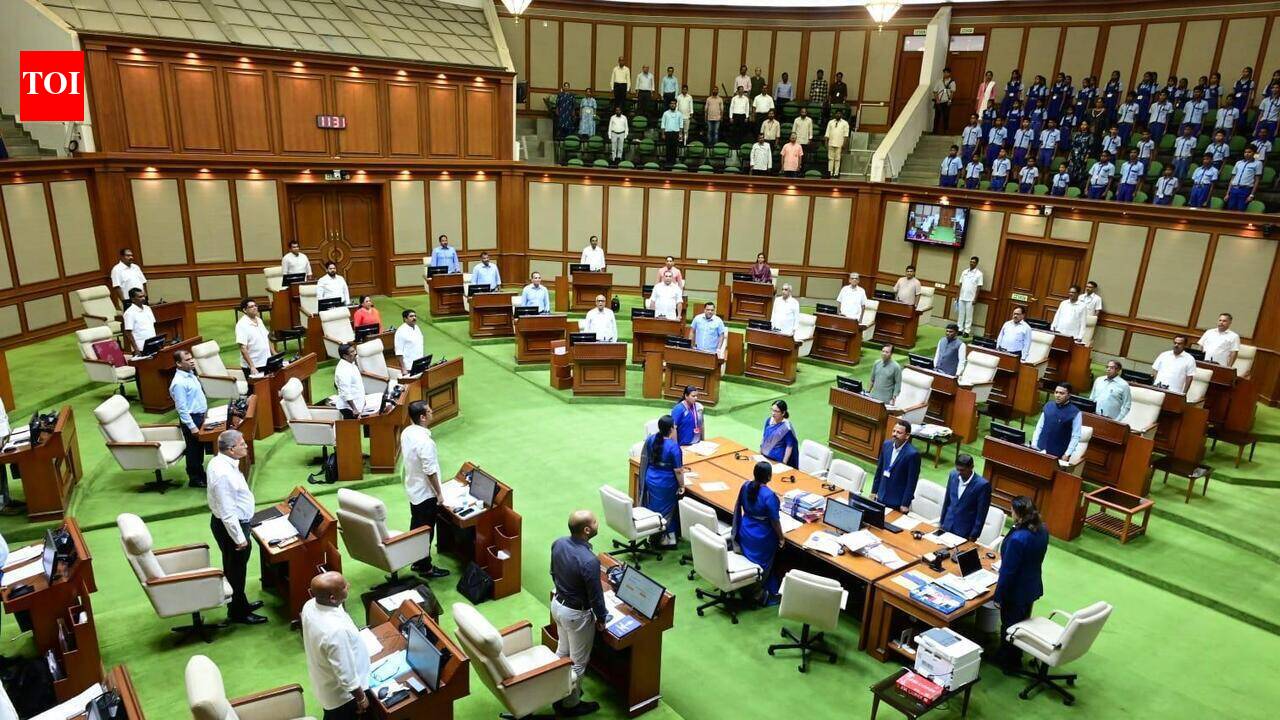
Porvorim: Goa govt on Monday decided not to introduce its proposed anti-conversion bill in the assembly during the monsoon session.There were concerns among BJP MLAs over politicisation of the issue among minority voters and the opposition gaining a strong issue ahead of the 2027 assembly elections.“We will not introduce the bill,” chief minister Pramod Sawant told TOI.As per the list of business of the House issued on Sunday, CM Sawant was supposed to introduce The Goa Prohibition of Unlawful Conversion of Religion Bill, 2026, however on Monday, in the revised list of business, govt did not list the anti-conversion bill for introduction.Several BJP legislators, including Catholic MLAs, had expressed reservations about the proposed legislation. A delegation of BJP Catholic MLAs met Sawant and urged him not to table the bill. Calangute MLA Michael Lobo said people needed to be informed about the proposed law. “People are interpreting the bill in their own way and religion is important for everyone,” he said.The bill also faced opposition from Church bodies, other political parties and social organisations.The Council for Social Justice and Peace (CSJP), the social service wing of the Archdiocese of Goa and Daman, and the Catholic Association of Goa (CAG) had urged govt to withdraw the bill, which received cabinet approval earlier this month.TOI was the first to report that the cabinet had cleared the legislation.The bill had proposed penalties for religious conversions carried out through force, coercion, undue influence, allurement, fraudulent means or marriage. It provided for imprisonment, including life imprisonment for certain offences, fines of at least Rs 50,000 and compensation of up to Rs 5 lakh for victims.It also sought to declare a marriage void if it was found to have been solemnised solely for unlawful conversion or if conversion was carried out through marriage.Those found guilty of unlawful conversions, including priests, karmkandis, maulvis and mullas, could face imprisonment of three to 10 years. Where the person converted is a minor, woman, person with disability or mental illness, or a member of a Scheduled Caste or Scheduled Tribe, the punishment could range from five to 14 years, along with a minimum fine of Rs 1 lakh.Chief secretary V Candavelou had said the legislation was intended to protect vulnerable persons from conversion through unlawful means.