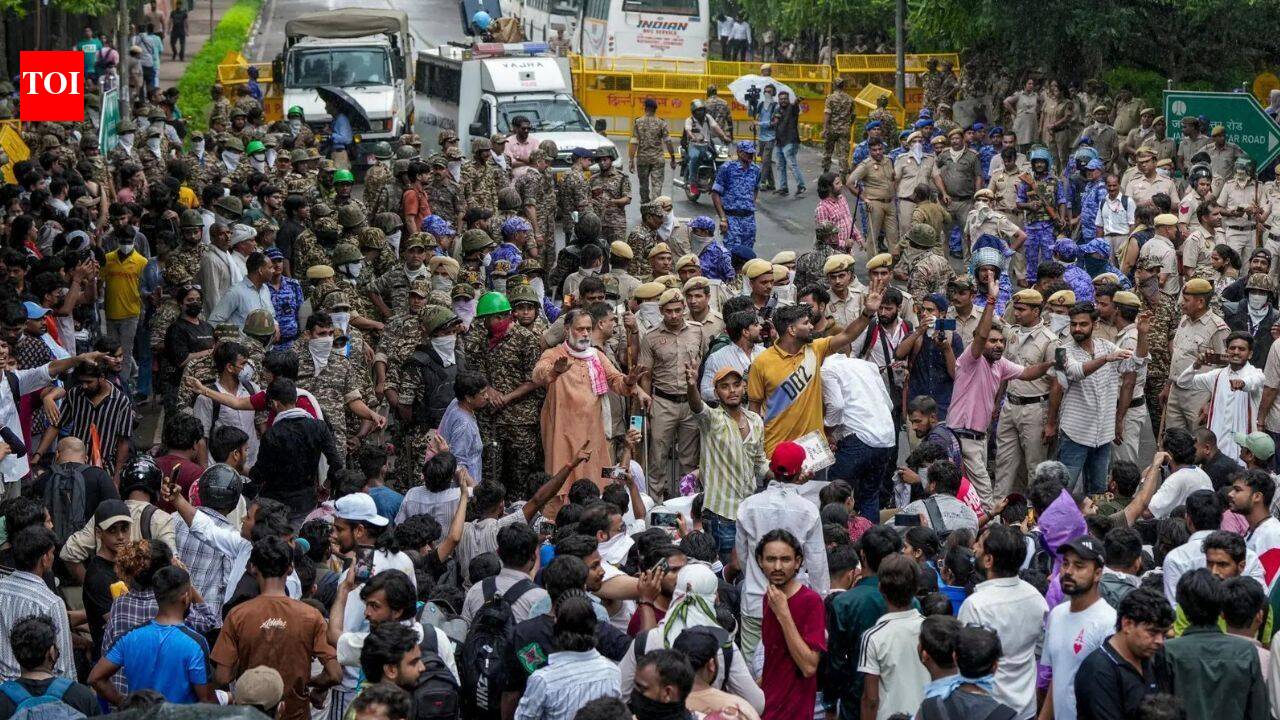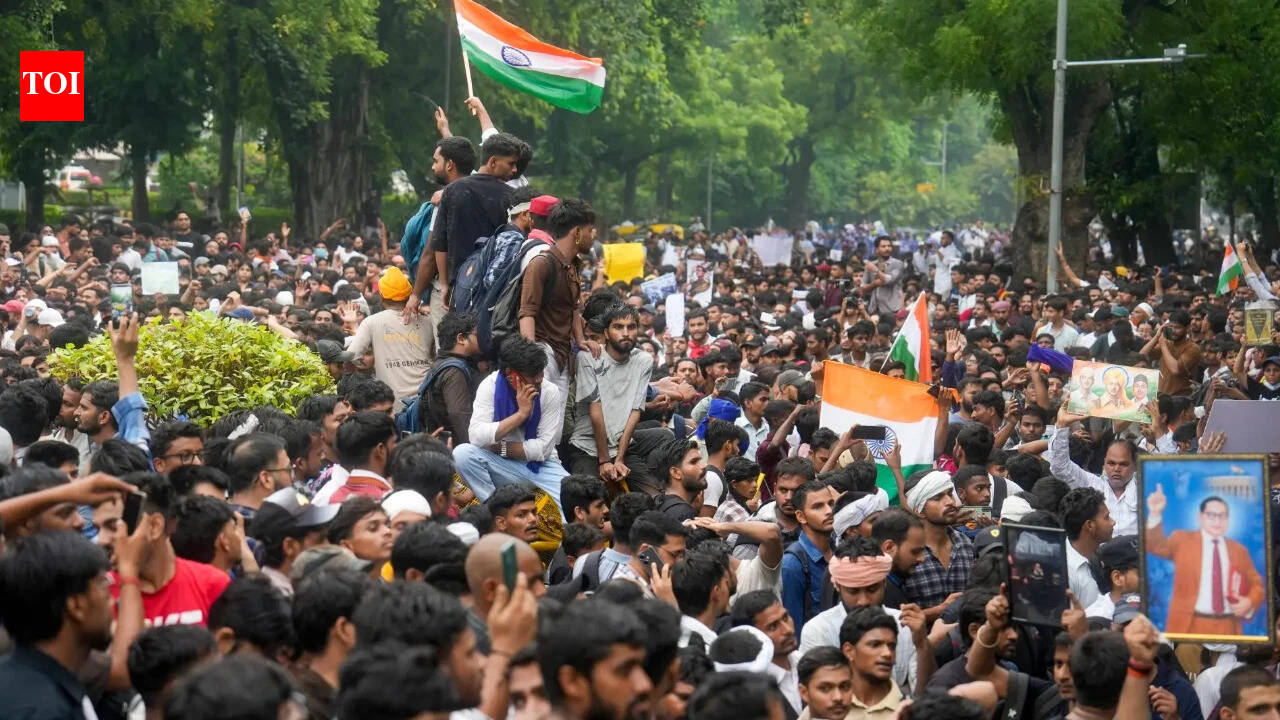
NEW DELHI: Intercepting or tracing Bluetooth-aided mesh messaging communications, allegedly used by protesters Sunday and Monday, may prove to be an extremely difficult task for Delhi Police, according to sources.Platforms like Bitchat or Briar require no phone numbers, SIM or email addresses to operate. For the police, standard tactics like metadata analysis from internet service providers (ISPs) or telecom gateways, or writing to the respective companies will not help as these networks operate entirely without a central server, said the sources.
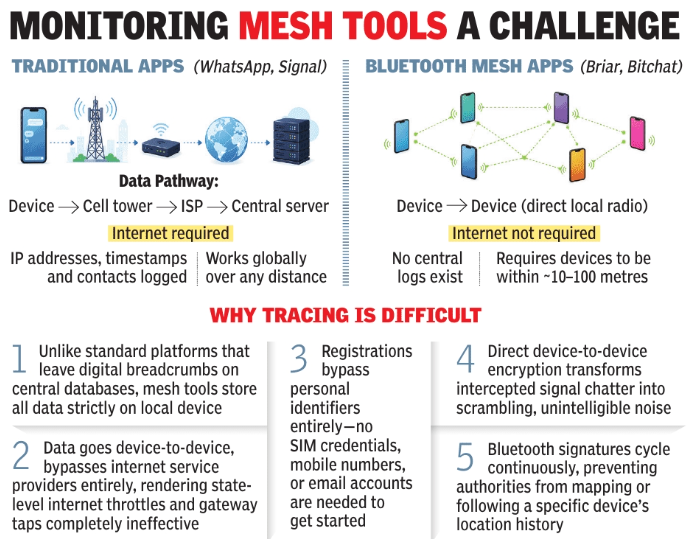
Moreover, the hop-by-hop relay system makes tracing communication paths near impossible as intermediate phones pass on messages anonymously across crowds, leaving investigators unable to determine who originally sent the message or read its contents, even if they seize a device that acted as a relay, the sources added.On Playstore, Bitchat, developed by former Twitter CEO Jack Dorsey, describes itself as a decentralised peer-topeer messaging app that works entirely over Bluetooth mesh networks and lets one talk to anyone nearby even when the internet is blocked.“Unlike traditional messaging platforms that rely on active internet connections, these offline apps operate by using the Bluetooth Low Energy mesh feature already built into modern smartphones. Instead of sending a message up to a cell tower and back down to a recipient, the app broadcasts the data directly to another nearby phone equipped with the same software,” said a cyber cell investigator.The demonstrators can change routes, share warnings about police barricades and distribute emergency supplies in complete digital silence.“If you want to send a text to a fellow protester who is further away, your phone will pass the encrypted message to the nearest user, who bounces it to the next, and so on. The message goes from device to device in the crowd and the phones act as a temporary router, helping others communicate without any fear of interception,” the officer added.The apps have become popular among demonstrators as police can’t trace back any number or IP address. Because the network is physically sustained by the presence of the people themselves, the only way for cops to shut it down is to disperse the crowd.The near-invisible web of communication has stumped law enforcement agencies globally, as police rely heavily on cellular data, wiretaps and internet surveillance to anticipate crowd movements, identify organisers and gather intelligence during mass protests and unrest.