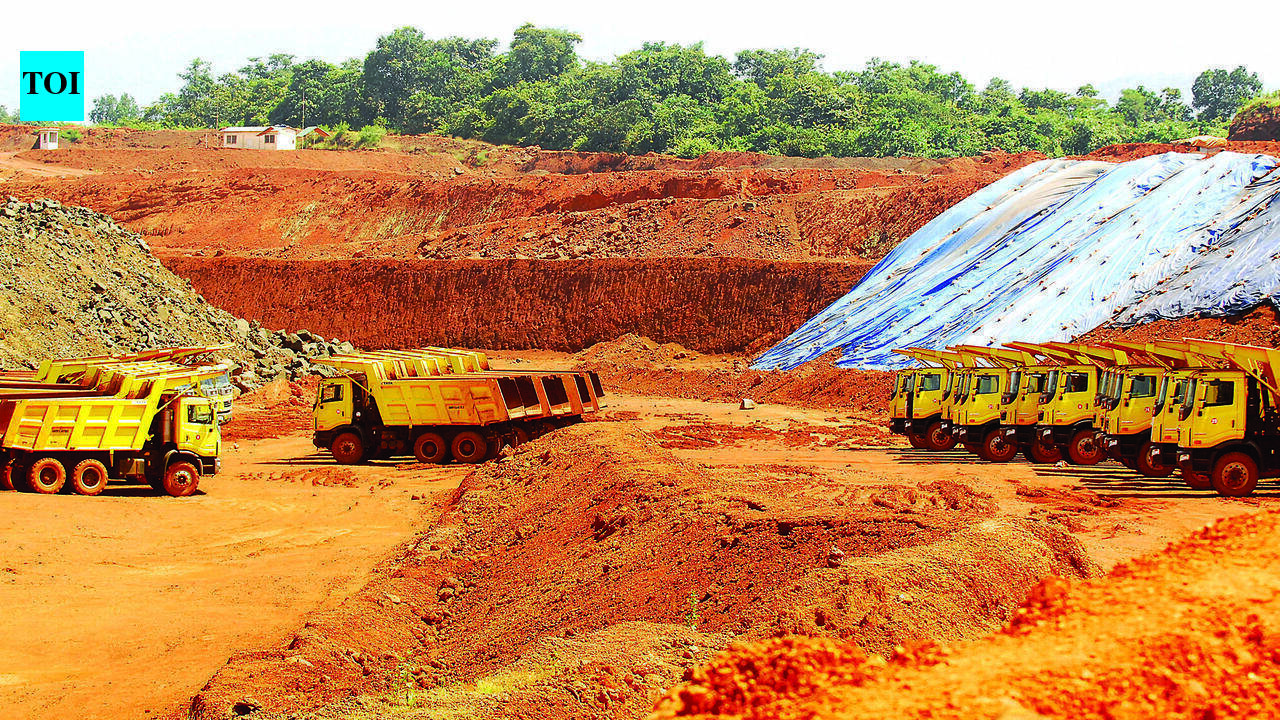
Panaji: Worried about the impact on mining operations, the Goa Chamber of Commerce & Industry (GCCI) has asked the Union environment ministry to cut the number of Goan villages in the proposed Western Ghats Ecologically Sensitive Area (ESA) from 108 to 87, arguing that satellite-based mapping has swept in homes, farms and afforested mining leases.The 21 villages it wants dropped are largely orchards, cashew plantations and residential clusters, it says, citing a state govt assessment.GCCI’s central objection is the use of whole revenue villages as the unit. It wants cadastral, parcel-level demarcation, the 600-metre contour as an objective criterion, and a joint ground-truthing panel of the ministry, Goa govt, GCCI and village bodies.“Incorporating a strict elevation threshold (600m+) alongside contiguous protected forest zones would provide a clear, scientific baseline for demarcation,” said GCCI in the letter to the ministry of environment, forest and climate change (MoEFCC).Satellite imagery, GCCI argued, cannot separate natural forest from plantations or post-mining afforestation.On mining, the draft proposes phasing out operations within five years or on lease expiry. GCCI wants brownfield leases outside sanctuaries, with valid clearances, to run their term under closure plans, plus a five-year window to auction and move existing ore stacks.GCCI has also sought exemption for settlement areas and farmland, “permissible” status for low-impact eco-tourism, a ‘green subsidy’ for affected villages, and gram sabha consent for regulatory action.While GCCI has not opposed the ESA notification itself and has even cited the Wayanad landslides as a reason to err on the side of caution, the industry body has said that the notification risks paralysing legitimate brownfield industrial operations without offering tangible ecological benefits“Mining has historically formed the bedrock of Goa’s socio-economic fabric, contributing significantly to state GDP, employment, and infrastructure development. A blanket prohibition without nuanced transition paths undermines economic stability,” said director general of GCCI Sanjay Amonkar.