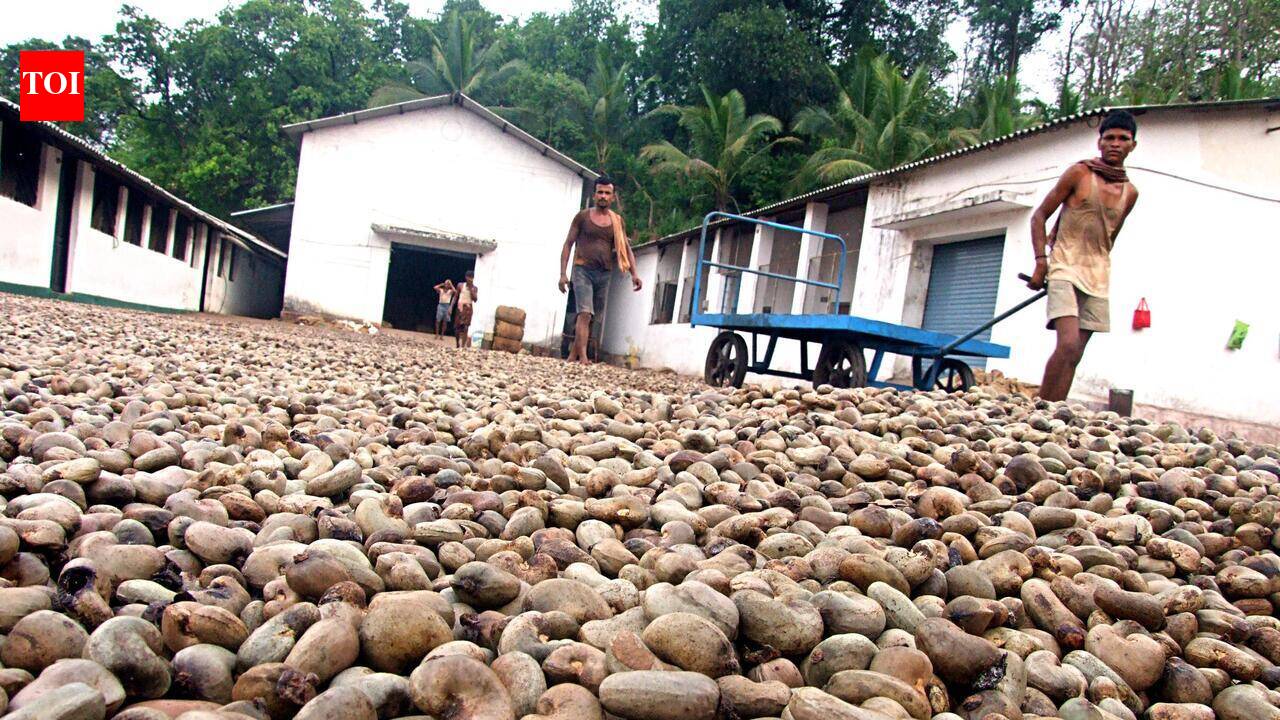
Margao: With the Goa State Amritkal Agriculture Policy, 2025 (GSAAP-2025), having completed over a year on paper without commensurate implementation on the field, attention is now turning to specific provisions within the policy’s core recommendations that officials and experts say need urgent focus to translate intent into results.The policy’s Part B, which lays out detailed recommendations across 36 core areas, singles out fragmented and fallow landholding, post-harvest storage and extension outreach as areas where the gap between policy and practice is starkest.Bringing fallow paddy fields back under agro cover remains a challenge for the agriculture department. Sources in the department said the assured support price for paddy and state support for mechanisation of paddy cultivation have brought down the cost of cultivation, helping arrest the decline in agro cover — a trend the policy’s core recommendations on community and cooperative farming are meant to build on. GSAAP-2025 states that paddy lands, handed down over generations, have splintered into parcels too small to farm economically and recommends that such fields be pooled and brought under cultivation through cooperative or community farming.Agro researcher Sachin Tendulkar, who has worked closely with farmers in the mining belt on promoting agriculture in the state, identified “last-mile delivery of services” as the problem area that needs to be worked on the most. Since landholdings in Goa are small, he said, the real challenge lies in mobilising farmers to come together to avail of govt schemes. “What’s needed,” Tendulkar said, “is to think differently and come out with new ideas and novel projects.”As an example, he pointed to paddy fields left fallow in the mining belt due to silt deposition and suggested the department explore bioremediation to render these fields cultivable again. “There are many fields in areas of Panchwadi in South Goa and Mayem in North Goa (both in the mining belt) which are lying fallow. These are excellent areas to promote integrated farming. Attempts should be made to encourage locals to breed crabs and fish, while also promoting poultry, goatery and agro-tourism,” Tendulkar said, stressing the need to strengthen the extension arm of the agriculture department — one of the core recommendations under GSAAP-2025’s extension services chapter, which calls for mobile extension units, farmer field schools and closer collaboration with agricultural universities to keep advisory content current and reach remote pockets like the mining belt.Former director of agriculture Nevil Alfonso said the department was already moving on this front through integrated farming models that combine crop cultivation with allied activities. “Agriculture, animal husbandry and fisheries are the areas which are primarily farmer-centric. If a farmer is cultivating paddy, he can go into dairy farming and have a small irrigation pond where fish can be harvested, making it an integrated enterprise. The agriculture department has already stepped into that. Integrated farming practices have started picking up in various parts of the state,” Alfonso said.A second area flagged is storage and warehousing. Inadequate scientific storage facilities for coconuts and cashew nuts lead to considerable losses for farmers, sources said, while godowns for storing agricultural inputs remain scarce across the state. GSAAP-2025 commits to setting up at least one state-subsidised central cold storage unit in each of Goa’s 12 talukas, alongside small village-level warehouses, pack houses, ripening chambers and drying yards for small and marginal farmers, with IoT-based monitoring and RFID tracking envisaged for these facilities.Stakeholders say the shortfall in coconut and cashew storage facilities is a useful marker of how far this rollout still has to go, given both crops are grown widely across the state and losses at the storage stage directly erode farmer income.Agriculture experts also pointed to the need for rainwater harvesting and efficient watershed management to be extensively introduced, particularly in hinterland areas, pointing out that “agriculture can thrive only if there’s abundant water.”This concern has been addressed in the policy under its watershed development and irrigation water core areas.Experts say sustained and coordinated effort is what’s needed for implementation to move from paper to field.