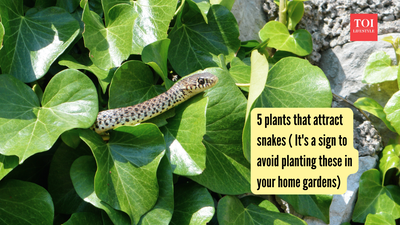
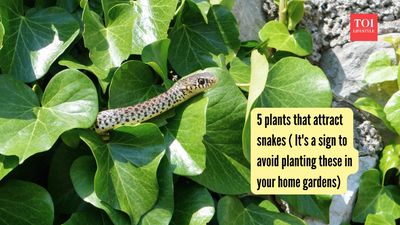
Home gardens are peaceful, green, and soothing spaces, but sometimes the same area can also attract some unwanted visitors.While green leafy bushes and vines make patios around garden spaces look calming, these are also the favourite spots for the scary and scaly slitherers.Snakes have a revered reputation in mythology and have been characters in legends over the years, but spotting one often sends chills down a person’s spine.Dense, shady, and undisturbed corners of home gardens and backyards often become more appealing to these reptiles than we think. That is why garden planning is not only about beauty but also about comfort, visibility, and balance.Snakes are ectothermic, or the type of creatures that depend on outside temperatures to regulate their body heat, so they often choose shaded, moist, protected areas. They also follow food sources. If a plant creates shelter for frogs, lizards, or rodents, snakes may arrive for the prey rather than the plant itself and the plant becomes an indirect attractor because it changes the microhabitat. So, even though some plants give a lush look and soft texture, they can create the kind of environment where small creatures gather, and movement becomes hard to notice.Here are some plants that can attract snakes to your gardens
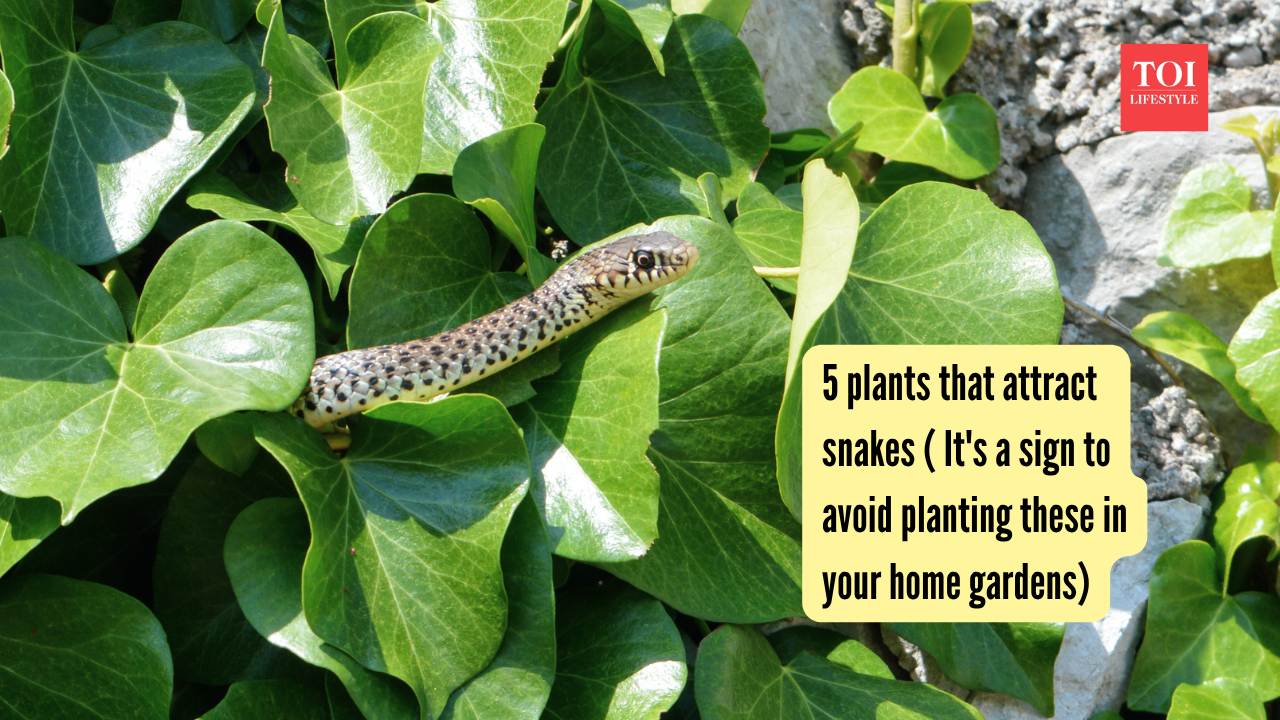
Representative Image
Bamboo
Bamboo can create thick, dense, and shaded clusters that are difficult to see through, so they can be risky to plant in some gardens. Its dense growth is the perfect cool cover and quiet hiding spots. If bamboo is planted close to walls, fences, or corners, it can become a sheltered and easy entryway for snakes.
Periwinkle ivies
Periwinkle and ivy groundcovers spread and form a thick cover that can reduce visibility near the ground. This heavy cover gives snakes a place to rest and move unnoticed. Such plants may also trap moisture and leaf litter underneath, giving the right amount of shelter needed for snakes to hide.
Lemongrass
Lemongrass is often seen as a useful garden plant, but in dense clumps, it can create hidden pockets at the base. Its thick growth can provide shade and a cool resting area. Although it may not directly attract snakes, it can still provide the kind of shelter they prefer.
Jasmine
Jasmine grows into a bushy, tangled shrub that can give snakes cover near the ground. Its thick leaves also give hiding spots to rodents, insects, and small animals, which can indirectly bring snakes closer.
Sandalwood
Sandalwood’s woody, shaded structure can create cool cover, especially in warmer weather. Bushy plants like this may hold moisture and give these slitherers a quiet place to rest.