Gunaikurnai Rituals: Grass burned for magic, healing and cursing: 25,000-year-old cave discovery reveals ancient Australian rituals

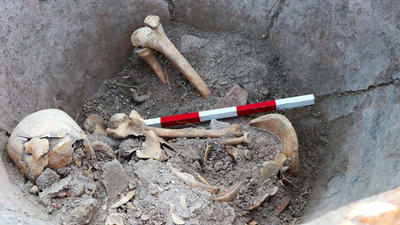
For 25,000 years, the GunaiKurnai (an Australian Aboriginal nation) people carried grass into Cloggs Cave and burned it. Archaeologists have finally found physical evidence that proves the ritual existed. These people burned the grass as part of rituals tied to magic, healing and the spiritual realm. Researchers unearthed layers of ash rich in phytoliths, microscopic…

Read More

They can survive for 3000 years yet 1 in 5 of giant sequoias were destroyed in California fires; a NASA-funded study says controlled burns could dramatically improve their survival

Giant sequoias (Image Credit: Canva) California’s giant sequoias have stood tall for thousands of years, surviving droughts, storms and countless natural fires. Yet, in just two wildfire seasons, these ancient giants suffered unprecedented losses. Between 2020 and 2021, record-breaking wildfires are estimated to have killed nearly 17% of the world’s mature giant sequoias, roughly one…

Read More

Chimpanzees and bonobos hug before meals to avoid fights and distribute food fairly, scientists discover |

Image Credit: Jake Brooker / Chimfunshi Wildlife Orphanage Trust Our closest animal relatives, bonobos and chimpanzees, share a quick hug or a pat on the back before having their meal, to keep the tensions from rising and maintain peace among them, as their hunger could create conflict within the group. For years, scientists believed these…

Read More

Beavers do far more than build dams: These 20-kilogram rodents create wetlands, raise groundwater and lock away carbon |

Beavers may weigh only around 20 kilograms, but their engineering skills can reshape entire landscapes. Using little more than their powerful teeth, branches, stones and mud, these rodents build dams that slow rivers, create wetlands and transform dry valleys into thriving ecosystems. While these structures are best known for forming ponds, scientists have discovered they…

Read More

24-million-year-old Kevda fossil leaves discovered in Assam reveal ancient tropical forests of India |

pc: Study: Fossil leaves of Pandanaceae from India suggest Paleogene persistence of the family in South Asia For most people, Kevda is recognised by its unmistakable fragrance. Its flowers are distilled into the aromatic essence used in sweets, perfumes, religious offerings and traditional remedies across India. Yet the plant has quietly carried a far older…

Read More

Nasa discovered a deep blue planet 63 light-years away, but its blue colour comes from glass, not water |

From a great distance, the planet could easily give the wrong first impression. Seen in visible light, it appears as a rich blue world, bringing to mind the familiar colour of Earth as viewed from orbit. Yet the resemblance ends almost immediately. Instead of oceans reflecting sunlight, this distant planet is wrapped in an atmosphere…

Read More

International Space Station’s $23 million toilet does far more than collect waste. It helps recycle about 98% of the station’s water into drinking water |

Life aboard the International Space Station (ISS) depends on making the most of every available resource, especially water. Transporting supplies from Earth is enormously expensive, so astronauts cannot simply rely on regular deliveries for drinking water. Instead, the ISS uses one of the most sophisticated recycling systems ever built. At the heart of that system…

Read More

Scientists found a 2,865-pound predator from before dinosaurs ruled Earth; now 2,000 ordinary people are helping reveal its skeleton

Under the watchful eye of scientists, volunteers clean the skeleton of a mastodonsaurus A huge fossilised skeleton weighing 1,300 kilograms (2,865 pounds) that was found in southern Poland is currently being chipped out of solid rock by a group of more than 2,000 public volunteers.According to a report by the Associated Press, this unusual public…

Read More