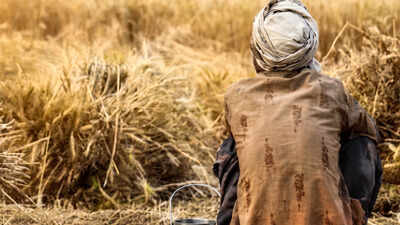
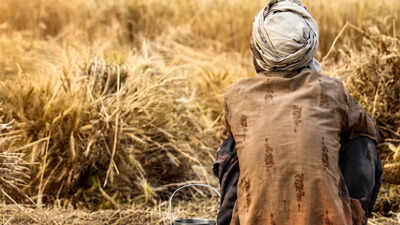
MUMBAI: Maharashtra recorded 13,928 farmer suicide cases between January 2022 and June 2026 — more than eight a day, but has withheld district-wise figures sought under the Right to Information (RTI) Act, activist Jeetendra Ghadge has alleged.The data, released after a first appeal, reveal the scale of agrarian distress but leave unanswered where it is most severe and whether relief is reaching the families who need it most.The relief and rehabilitation department’s figures show that 8,945 cases were found eligible for government assistance, 4,042 were rejected as ineligible and 941 remain under inquiry. Of the eligible cases, 8,650 families have received Rs 1 lakh each, while 295 are still awaiting payment.Nearly three in 10 cases were rejected, potentially leaving thousands of bereaved families without this assistance. The pending claims also raise questions about delays in verifying eligibility and delivering relief.Ghadge, of the Young Whistleblowers Foundation, had sought district-wise and month-wise figures for the 54-month period. On July 24, the department’s public information officer, Snehal Sawant, said the information was available with individual district collector offices and advised him to approach them.Ghadge filed a first appeal on August 18. After a hearing on September 8, the department provided a consolidated state-wide table but did not disclose the district-wise breakdown.Ghadge said this was the first time in 10 years that the department had refused to provide district-wise farmer suicide data. He alleged that the refusal came under pressure from senior government officers. This allegation could not be independently verified from the information available.The missing data are crucial for identifying clusters of distress, comparing trends across districts and assessing whether government interventions are working. Without them, researchers, legislators and journalists cannot adequately scrutinise regional disparities or determine where preventive measures and financial assistance need to be strengthened.The consequences of each death extend far beyond the immediate loss of life. Families may be left with outstanding loans, uncertain farm income and the burden of raising children without their principal breadwinner.Widows and elderly parents can face both emotional devastation and financial insecurity. While compensation provides immediate support, it cannot restore a lost livelihood or address the underlying causes of distress.“I have spent a decade following this issue, writing letters, filing RTIs and asking authorities to look beyond statistics and see the human beings behind every death,” Ghadge said.He added that the government must ensure no distressed family is abandoned, even if it cannot prevent every tragedy.His demand for wider financial protection dates back to June 21, 2023, when he wrote to then chief minister Eknath Shinde about families whose Rs 1 lakh compensation claims had been rejected.He proposed including suicide among the events covered by the Gopinath Munde Shetkari Apghat Vima Yojana, so that every affected family would receive Rs 2 lakh irrespective of the cause of death.Ghadge also argued that schemes spread across the entire farming population had failed to adequately reach those in acute distress. He proposed taluka-level committees, with a majority of members from social service backgrounds, to identify vulnerable families and issue them green ration cards through which they could access government schemes.The chief minister’s office acknowledged his email and forwarded it to the agriculture department, Ghadge said, but he never received a response.The latest figures raise urgent questions about the reach of compensation, the reasons for rejected claims and the effectiveness of measures to prevent farmer suicides.Without district-wise disclosure and transparent scrutiny of relief, it will remain difficult to identify the worst-affected regions, direct resources where they are most needed and hold the government accountable for results.