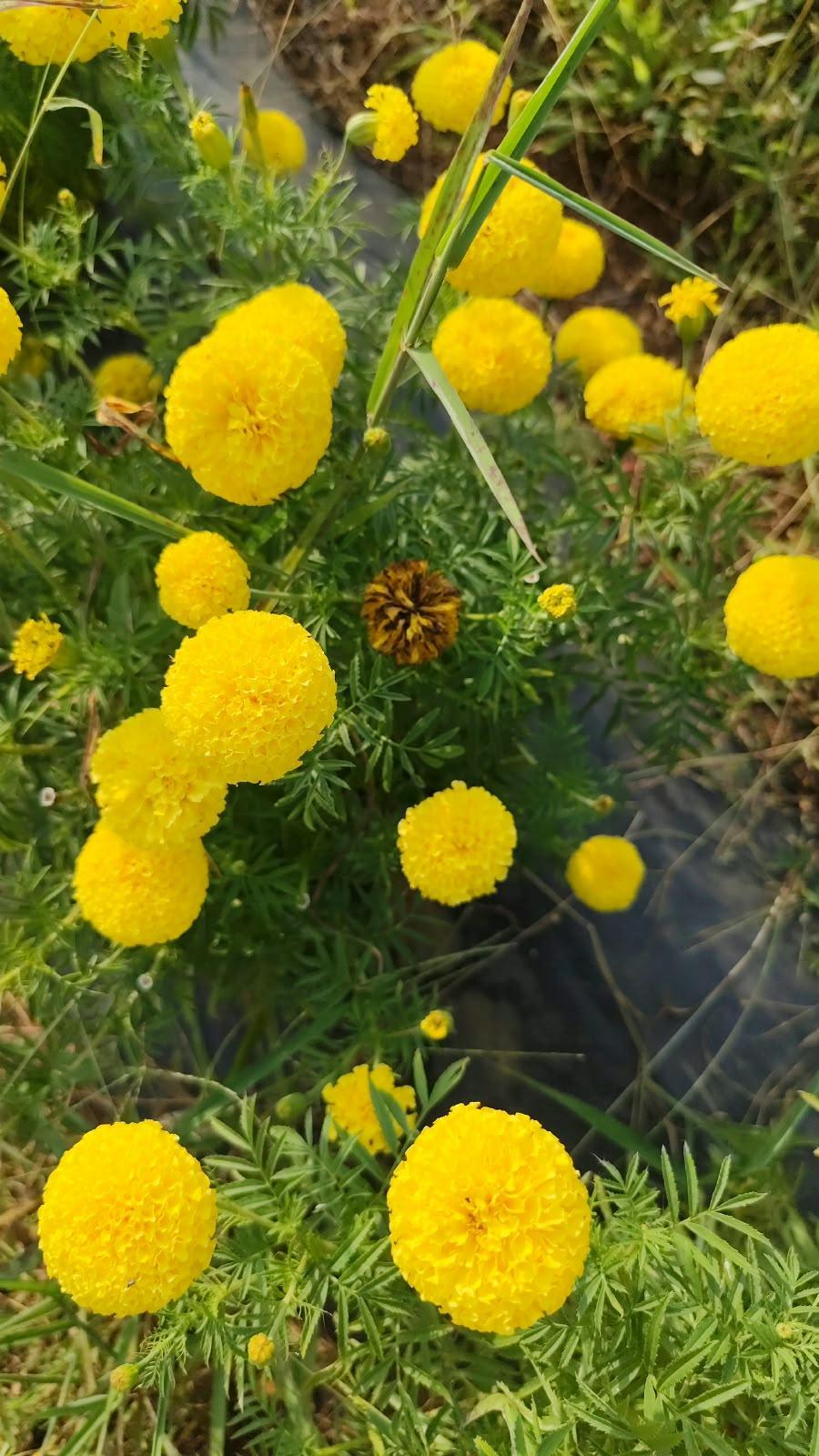
Poor rainfall, rising irrigation costs hit marigold growers ahead of DussehraPanaji: Marigold growers are bracing for a difficult festive season, with poor post-monsoon rainfall and rising heat reducing flower shelf life just days ahead of Dussehra.“The problem is mainly in fields located at higher elevations,” agriculture director, Chandrahas Desai told TOI.“Normally, we do not expect much rainfall after October 31. However, the main concern this year is the higher temperatures and the lack of post-monsoon rainfall,” he said.This year, the directorate of agriculture has distributed approximately 3.5 lakh marigold saplings expanding the area under cultivation across Goa.Nitin Borkar, a farmer from Borim, Ponda who has cultivated around 5,000 saplings this season, said the harvest was significantly weaker than last year, when better rainfall resulted in more shoots and heavier blooms.“Last year, there was no need to irrigate the field. This year, I have been irrigating it for the past month, yet fresh flowers are shrivelling and drying up,” he said, adding that irrigation costs had risen by at least 20% compared with the previous season.“Those who do not have irrigation facilities have to depend on rainfall or carry water from available sources,” he said.The adverse weather has affected not only the number of flowers produced but also their weight and shelf life. “While marigold flowers generally remain fresh on the plant for about a week, the current heat has shortened their effective shelf life to just two to three days after harvesting,” another grower said.Harvesting began around Ganesh Chaturthi, and supplies are now being made for the Navratri season. However, lower yields could put additional pressure on growers during the upcoming Dussehra and Diwali, when marigolds are widely used for religious offerings and decorations.“Considering the prevailing weather conditions and other factors, we expect marigold production to be around five to six tonnes per hectare. Goa is not yet 100% self-sufficient in flower production, and additional supplies need to be sourced from other states. However, we have achieved around 50% to 60% self-sufficiency, and it will take some time to meet the entire demand locally.” Desai said.