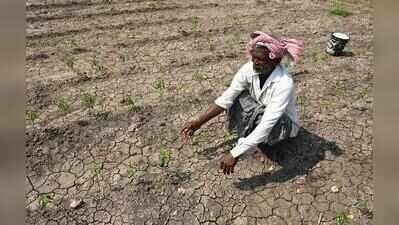
Pune: Junnar and Ambegaon tehsils in Pune district have been included among 305 drought-affected talukas in Maharashtra, bringing relief to farmers grappling with water shortages, electricity supply issues and kharif crop losses following deficient rainfall.“Farmers are facing water shortages and problems with electricity supply. Many have suffered substantial losses because of the lack of rainfall. Declaring our tehsil drought-affected was necessary, as farmers are struggling to sustain their crops and meet agricultural expenses,” Deepak Ukirde, a farmer from Junnar, said.The state govt has expanded its drought declaration from 265 to 305 talukas after reviewing rainfall deficiency and other indicators of drought conditions.The decision is expected to bring relief to farmers in the newly included areas, where inadequate rainfall has affected crop growth and increased concerns over the availability of water for agricultural and domestic use.District collector Jitendra Dudi said, “On the line of other drought-affected tehsils, the crop panchanamas will be conducted in Junnar and Ambegaon at the earliest.”The govt has announced an initial financial assistance of Rs 5,000 for eligible farmers, to be transferred directly into their bank accounts before Diwali. The state has also indicated that the drought-hit regions will receive relief under the prescribed drought management framework.For farmers in Junnar and Ambegaon, the declaration comes at a critical time, with the kharif season already affected by irregular rainfall. Farmers who invested in seeds, fertilisers, pesticides and labour are facing uncertainty over their returns, while the lack of adequate moisture has raised concerns about the survival and productivity of standing crops. “We have to water our crops at least twice in a week. Also, the increased day temperatures and lack of moisture in soil have affected the overall growth of crops and are infested by diseases too,” said Ramesh Bangar, a farmer from Junnar.Farmers said the difficulties extend beyond crop losses.In several areas, the shortage of water has increased the pressure on available sources, while electricity supply problems have affected their ability to operate agricultural pumps and access water for irrigation. They said govt must ensure that the relief announcement translates into tangible assistance on the ground.The drought declaration will enable eligible farmers to access a package of concessions, including land revenue relief, restructuring of crop loans, relief from agricultural loan recovery and waivers of examination fees for students. Other measures include concessions related to electricity bills and support for rural livelihoods, subject to applicable conditions.The state govt has said the expansion followed a review of drought indicators after the initial assessment. The process is intended to ensure that areas experiencing worsening conditions are brought within the relief framework.However, farmers stressed that financial assistance alone would not be sufficient to address the crisis. They want the administration to expedite crop-loss assessments, ensure uninterrupted electricity supply for agricultural use and take measures to provide drinking water to villages facing shortages.Farmers in Junnar and Ambegaon said timely implementation of drought relief measures would be essential to prevent further financial distress and help them prepare for the next cropping season.“With the rabi season approaching, the availability of soil moisture and irrigation water will be crucial for farmers deciding whether to undertake the next round of sowing,” said farmer activist Jitendra Bidwai from the region.294 new borewell connections in rural PuneThe rural water supply department of the Zilla Parishad has given 294 borewell connections to meet drinking water requirements in rural pockets across 13 tehsils in the district in 2026. One borewell usually covers a hamlet of 100 villagers. Amit Patharwate, the executive engineer of the department, told TOI, “We are preparing a plan for this year as the demand is high due to the lack of rainfall and depletion of water level in the existing water sources in the villages. We will soon submit our new borewell connections plan to the district collector to get approval to initiate the work in the district.”