
MUMBAI: Maharashtra’s programme to detect and treat heart attacks faster has conducted nearly 58 lakh ECGs and flagged more than 34,000 critical STEMI cases in the last seven years, highlighting the scale of the cardiac disease burden in the state.At the same time, a three-year analysis of 2,657 cardiac procedures at SevenHills Reliance Foundation Hospital, a public-private partnership with the BMC, in Andheri found that nearly one in four patients undergoing procedures was below 50.The findings, released around World Heart Day on Tuesday, point to two challenges: detecting heart attacks quickly and recognising serious cardiovascular disease at a younger age. BMC data show that an average of 27 people died of heart attack every day in the city.
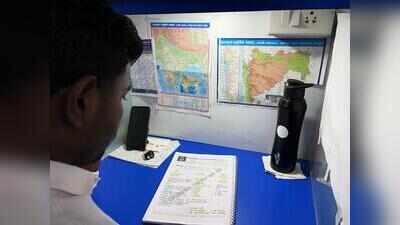
Maharashtra launched its STEMI programme in 2020 using a hub-and-spoke model. “ECGs performed at government health facilities can be analysed remotely by specialists within about four minutes,” said a state health department official. Patients diagnosed with a heart attack are given clot-busting treatment at the spoke facility before being referred to a hub for angiography and angioplasty, he said.To provide cardiac treatment, the state has roped in medical colleges, private hospitals and charitable hospitals with cardiac catheterisation laboratories that are empanelled under the Mahatma Jyotirao Phule Jan Arogya Yojana as hubs. Eligible patients can receive treatment under the scheme free of cost.The programme now covers 34 districts through 2,415 spoke facilities, including primary health centres, and 134 hubs. It was initially launched in 12 districts before being expanded to another 22 in March 2024.State health minister Prakash Abitkar has said that the expansion was aimed at taking faster cardiac diagnosis and treatment closer to patients, particularly outside major cities.The SevenHills analysis, meanwhile, showed that 60% of procedures were among patients aged 50-69, with the 50-59 age group alone accounting for 31%. About 6% of procedures involved people aged 20-40, while men accounted for 67% of all procedures.Cardiologist Dr Ganesh Manudhane said coronary disease requiring investigation or treatment was increasingly being seen among people in their 40s and even younger. Diabetes, hypertension, smoking, high cholesterol, obesity and family history can raise cardiovascular risk, he said.Not every young person needs invasive testing, but the Cardiological Society of India recommends that all individuals have their lipid profile evaluated by age 18.