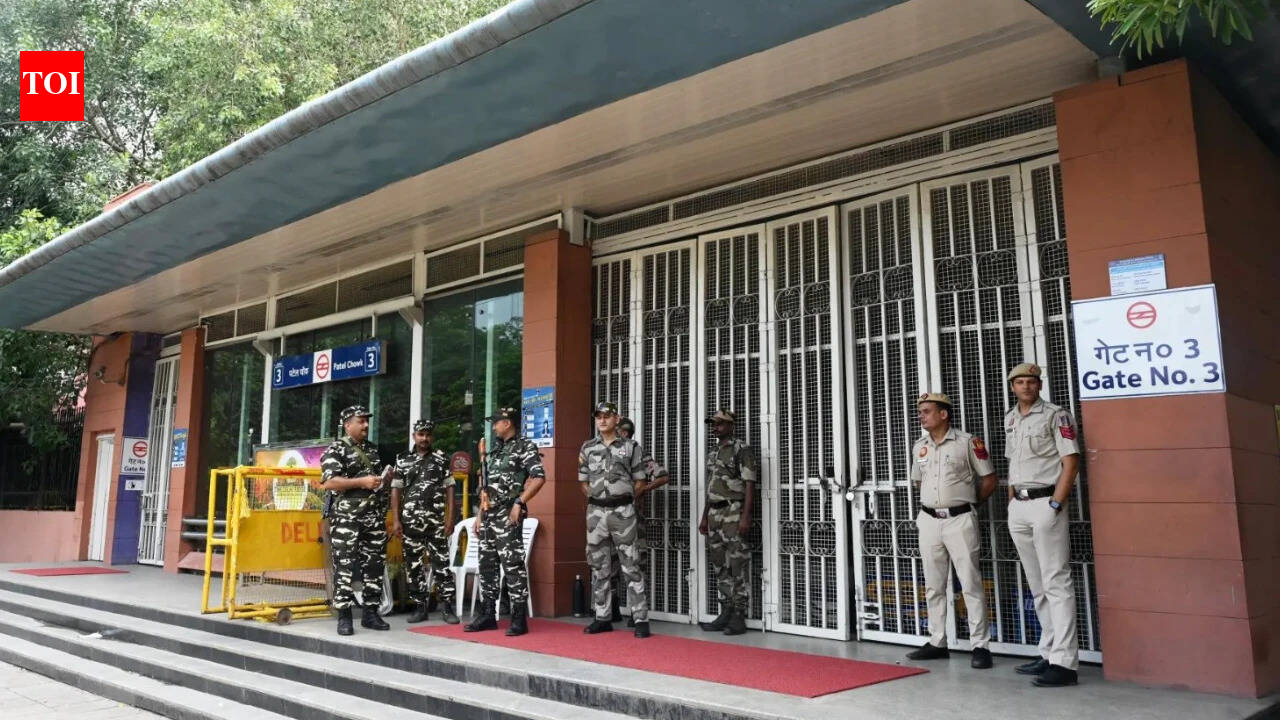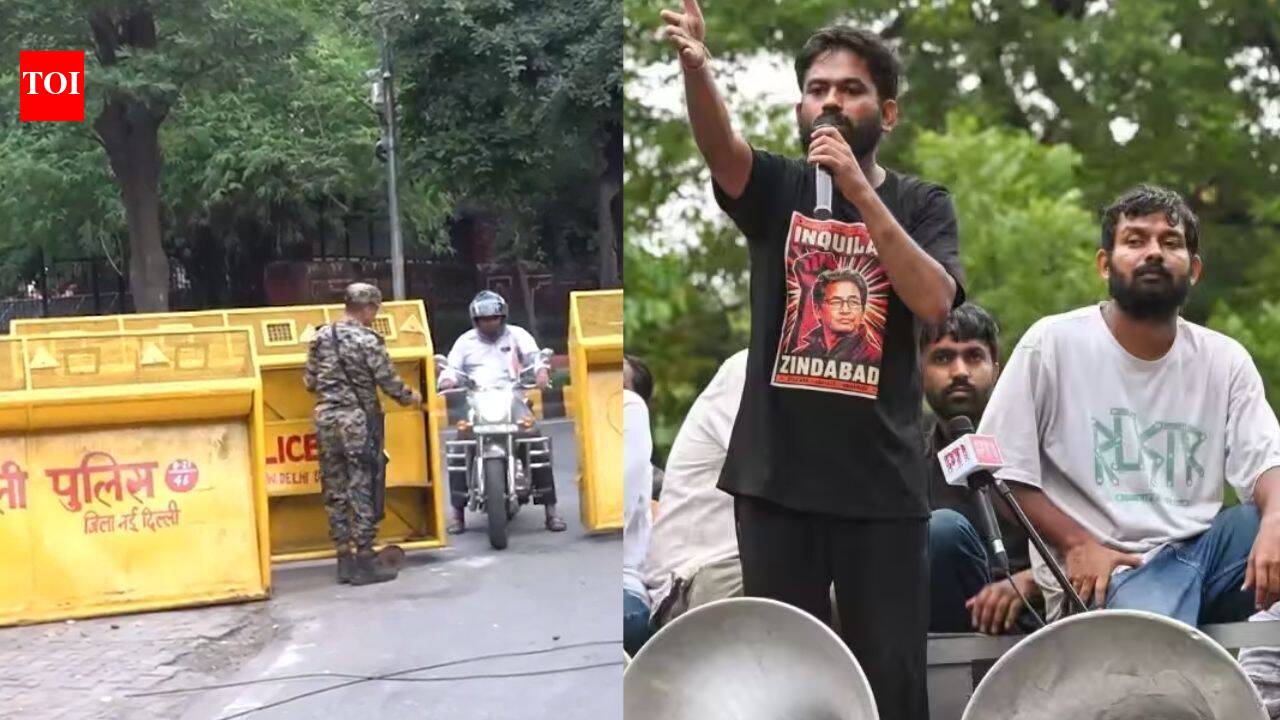
By: Shivani KashyapAfter central Delhi was stalled for close to a week during the CJP agitation over alleged NEETirregularities in July, Jantar Mantar came into focus for a different reason when Delhi HighCourt, responding to a plea, wondered if the site in the heart of the city should be allowed tobe used as the protest destination of Delhi. TOI’s Kasturi Banerjee & Shivani Kashyap trace thesteps that turned the site into a protest hotspot and the problems it eventually triggered.
First halt: Boat club lawns
Post-Independence, Boat Club lawns, close to Parliament and the country’s ultimate power centres, was Delhi’s main venue for political rallies. Until early 1990s, it was the preferred location for key demonstrations in the capital.In Oct 1988, lakhs of farmers, led by Mahendra Singh Tikait under the Bharatiya Kisan Union banner, protested for around a week in the area, causing security and administrative challenges in Lutyens’ and central Delhi, which houses important govt buildings and diplomatic areas.In the next few years, following security concerns over the Janata Morcha-Babri Masjid movement, the administration gradually thought about an alternative site for large demonstrations in the city.By 1993, Delhi Police started allowing big protests at Jantar Mantar site on Sansad Marg, though there was no formal declaration about it.
Becoming a protest hotspot
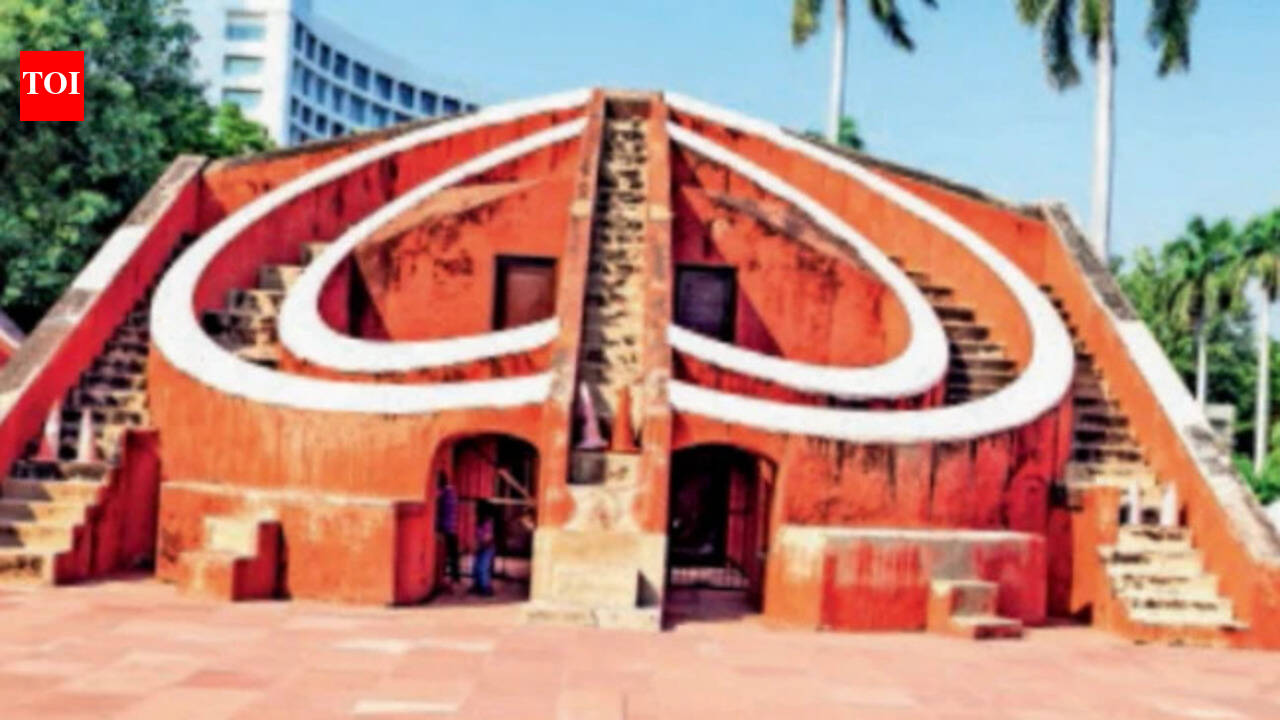
Though known by the name of the famous 18th-century astronomical observatory, built by Maharaja Jai Singh-II of Jaipur, the dharnas/demonstrations take place on the designated stretch adjacent to it, not inside the ASI-protected monument.
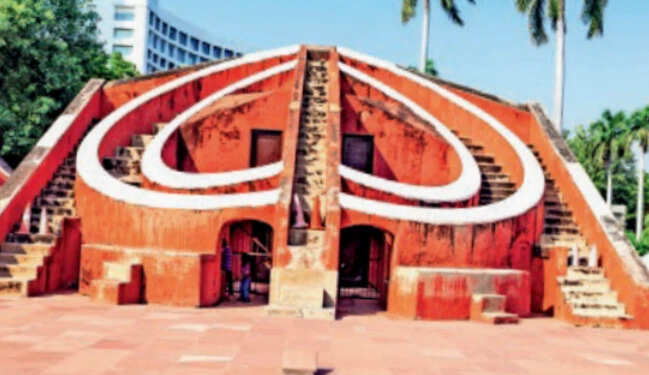
Jantar Mantar
Why Jantar Mantar
Protesters were moved away from the broad open spaces around India Gate, but they are still close enough to Parliament and govt offices, giving them visibility to both people and media.Much smaller than Boat Club lawns, it can’t accommodate an indefinitely large crowd. It is also easier to barricade the area and regulate crowd through limited entry-exit points.