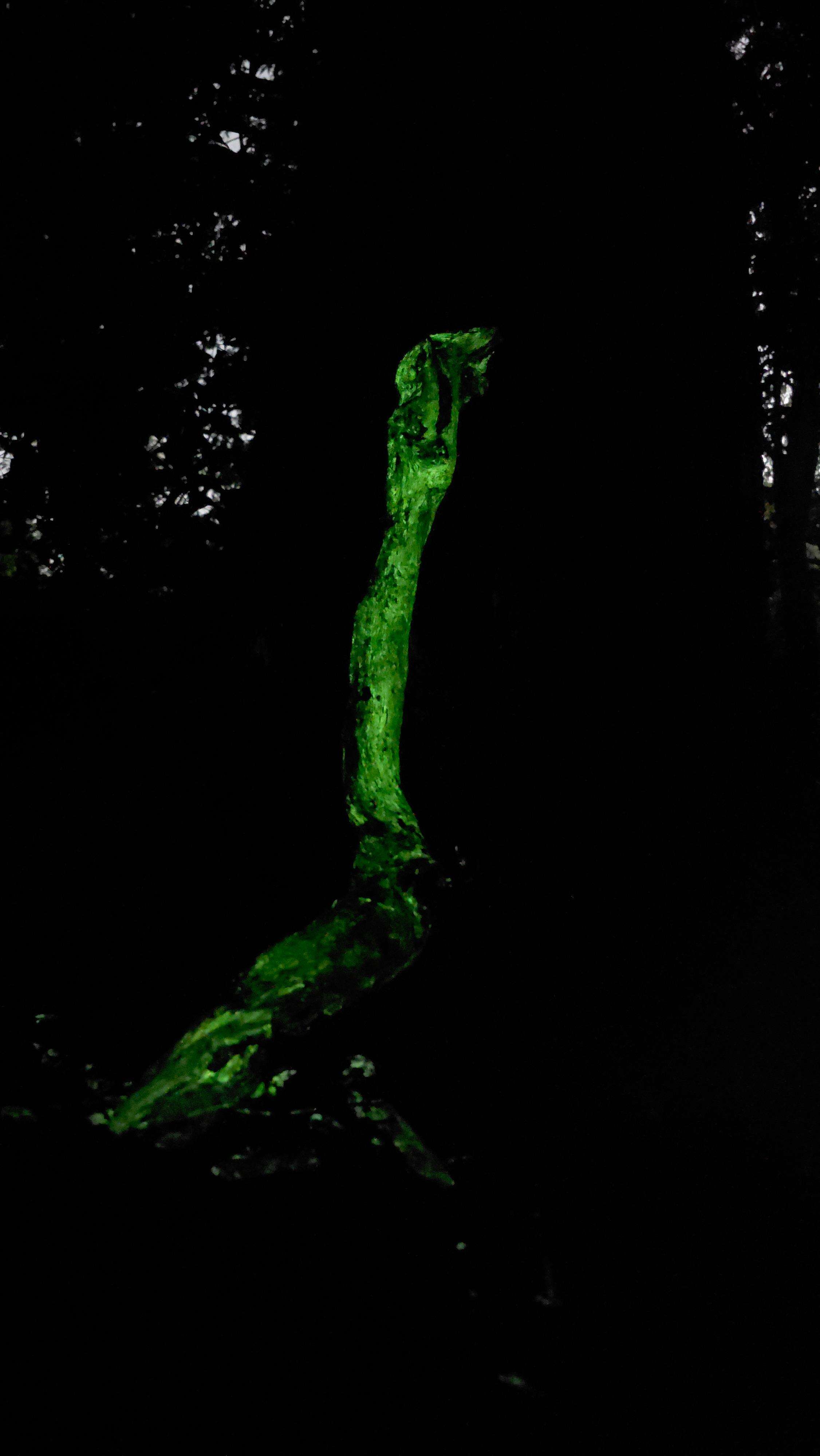
Panaji: Goa’s rainfall deficit and prolonged dry spells have shortened the season for bioluminescent fungi at Mollem, cutting short what is usually a three-month nocturnal spectacle.The state has recorded only 78 inches of rainfall against the normal 115 inches, leaving a cumulative deficit of more than 30 inches this season. The fungal glow, typically visible from July to late Sept, was reduced this year to barely 10 weeks.Under Mollem’s dense forest canopy, fallen twigs, rotting logs and damp leaf litter normally come alive at night with a pale-green glow produced by subterranean fungi, transforming the forest floor into a shimmering landscape.“The fungus responsible for the green luminescence relies on an extremely precise microclimate to thrive. It requires near-saturation humidity, sustained rain, and dense canopy shade. When the rain stops and the sun breaks through, the delicate fungal threads react almost immediately,” said naturalist Parag Rangnekar.Goa experienced two significant dry spells during the monsoon — a 10-day spell in July and a week-long sunlit stretch this Sept. While monsoon fungi can withstand brief interruptions, repeated dry periods can cause the mycelium beneath the soil and tree bark to retract prematurely.“You can see the glow at night, but you can’t see what’s happening beneath that fungus,” said naturalist Omkar Dharwadkar. “When the time duration of its visibility gets cut short, something in the ecosystem is definitely getting affected.”The same erratic rainfall pattern is also affecting sensitive seasonal flora. Rain-fed wildflowers, including pink balsams, ground orchids, tree-dwelling epiphytes and specialised insectivorous plants, depend on sustained moisture to complete their rapid life cycles.Naturalists observed that large stretches of plateau wildflowers either withered prematurely during sudden hot spells or failed to bloom this year.“Many of these species are extremely seasonal and only appear toward the end of the monsoon,” Dharwadkar said. “If the ground dries up, they simply can’t flower, creating a ripple effect for the pollinators that rely on them.”The bioluminescence is believed to be produced by fungi of the Mycena genus growing on rotting wood, decaying logs and fallen twigs. A chemical reaction involving luciferin, enzymes and oxygen produces the faint greenish-blue light, which helps attract insects that aid in spore dispersal.