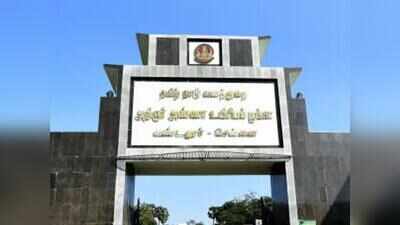
Chennai: The Arignar Anna Zoological Park, once regarded as one of India’s premier zoological institutions, is grappling with a serious technical crisis as its Technical Advisory Committee (TAC) has not met for four years.Its former committee members said the absence of an expert advisory panel has led to a sharp decline in operational standards, with the zoo shifting from a world-class conservation hub toward a commercial, tourism-driven model.A former member, speaking on condition of anonymity, said the zoo had earned global recognition for its captive breeding programmes for endangered species endemic to the Western Ghats, particularly the lion-tailed macaque and the Nilgiri langur. That progress, he said, has since slowed considerably.Enclosure designs were once subjected to rigorous technical evaluation, balancing naturalistic enrichment with strict safety protocols for animals and handlers alike, a process he said is now lacking.The TAC, he added, had ensured that behavioural anomalies, veterinary challenges and infrastructural needs were addressed through peer-reviewed, experience-based expertise rather than administrative decision-making.The former members said the failure to seek or implement expert technical opinion on animal behaviour, enclosure design and keeper safety has contributed to several tragic but preventable incidents.Among them was the death of a 20-year-old giraffe, which succumbed to asphyxia and stress after falling into an eight-foot-deep trench within its enclosure. In another incident, a 56-year-old animal keeper was attacked and seriously injured by a female hippopotamus when he entered the enclosure to clean it.The former members said this sustained lack of technical oversight has led to a broader breakdown in zoo management, disrupting long-term breeding programmes and conservation strategies that depend on continuous expert guidance.They emphasised that the TAC plays a critical role in shaping scientific, welfare and conservation-related decisions at the zoo. Its prolonged inactivity, they warned, has left the institution without the specialised direction required to sustain global conservation standards, raising concerns about the safety of both animals and staff going forward.