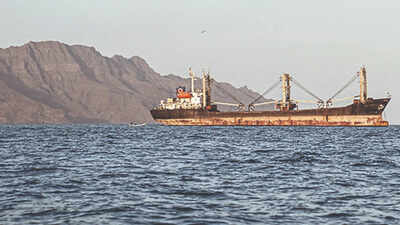
DUBAI: Oman has presented Iran with a plan backed by Gulf states to manage the Strait of Hormuz, including collecting voluntary fees for using it, a Gulf source and a Western diplomat told Reuters on Tuesday. A senior Iranian source told Reuters that Tehran was yet to respond to the Omani proposals, intended to serve as a basis to end the disruption to trade through the strait caused by the US-Israeli war on Iran.President Donald Trump, who abruptly called off a two-week US bombing campaign over the weekend in his latest strategic U-turn, said there were “good talks” under way with Iran but threatened to restart strikes unless negotiations deliver. Iran denies seeking to resume talks with the US. Washington launched its renewed bombing campaign earlier this month to break Iran’s grip on the strait.Iran effectively shut the strait to ships other than its own after the US and Israel attacked on Feb 28. A deal last month between the US and Iran partially reopened it, but the agreement collapsed in early July after Iran fired on ships using a channel it does not approve.Iran has said it wants to manage the strait alongside Oman, which controls the opposite shore, and charge service fees to ships that use it. Washington wants to return to the status quo prior to the war, when ships were able to pass freely with no payments, and says charging mandatory fees would be illegal.Under the Omani proposal, Iran would not exercise sole control and fees would be voluntary, the Gulf source and Western diplomat briefed on the matter told Reuters. The system would be analogous to one in place on Asia’s Strait of Malacca, where Indonesia, Malaysia and Singapore ask ships to pay voluntary contributions to fund navigation, environmental protection and search-and-rescue operations.The Western diplomat compared it to a voluntary carbon tax for flights, where anyone buying a plane ticket can choose to tick a box if they want to pay to offset their emissions. Gulf Cooperation Council foreign ministers met via video call on Tuesday to discuss the latest developments in the conflict, including ways to intensify cooperation on issues related to freedom and safety of vessels through the waterway, a statement from the Qatari foreign ministry said.Iran’s joint military command again rejected a plan put forward by Trump for damages to vessels to be paid from frozen Iranian assets, state media reported. It said that any country or company that accepted such payments would be denied passage through the Strait of Hormuz by Iran’s armed forces.(BY REUTERS)