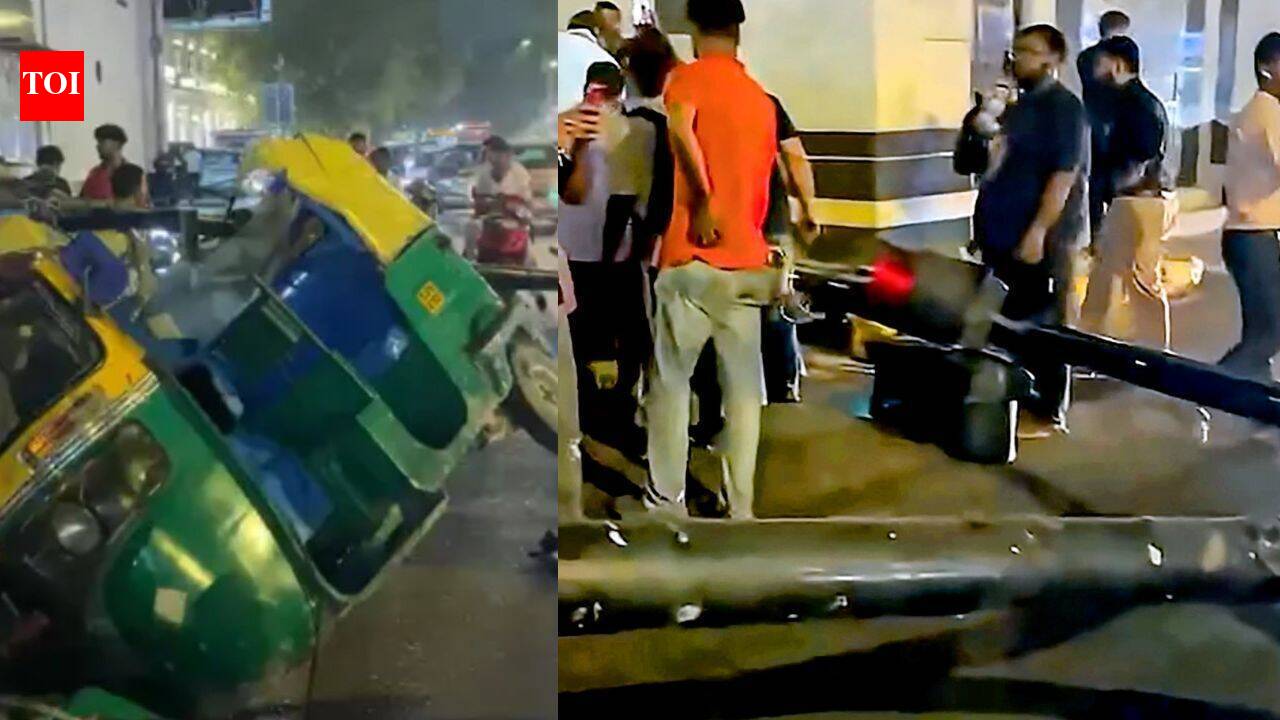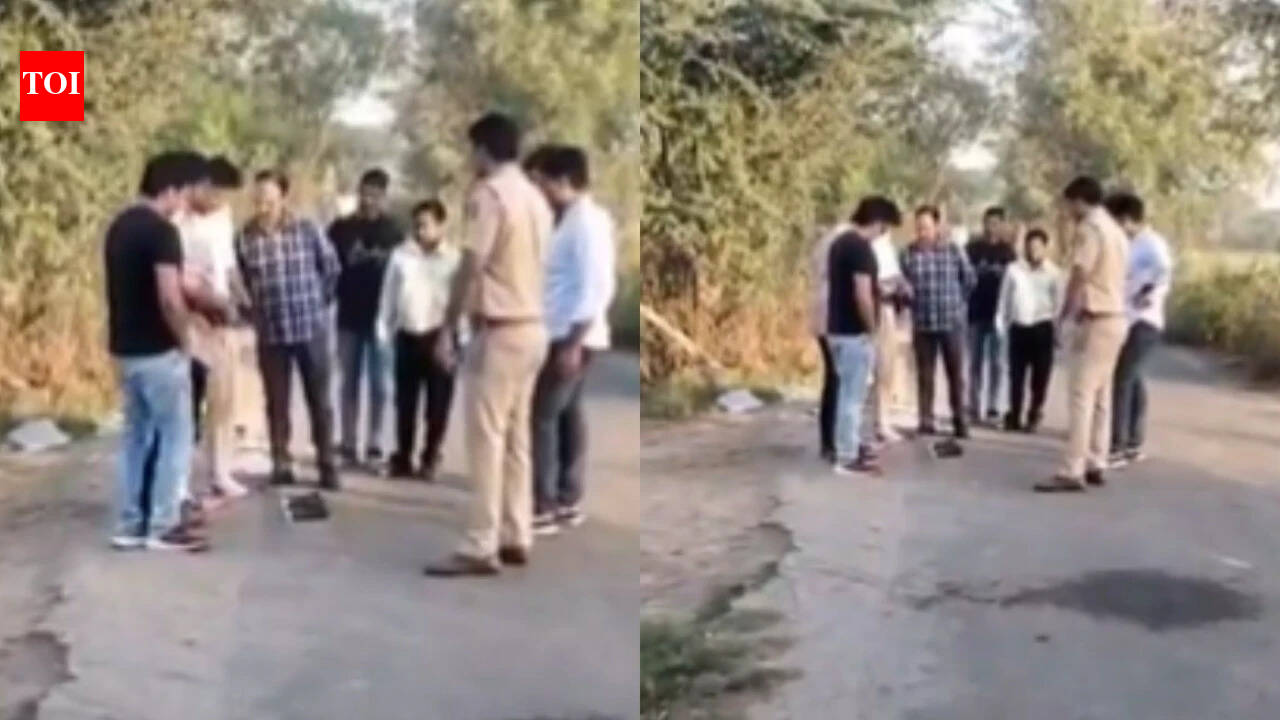
NEW DELHI: On May 25, 2013, a Congress convoy travelling through the forests of Bastar was heading from Sukma towards Jagdalpur as part of the party’s Parivartan Yatra ahead of the Chhattisgarh Assembly elections. Then, at Jhiram Ghati in the Darbha Valley, the journey suddenly became one of the deadliest attacks on the Congress leadership in Chhattisgarh.Over 150 heavily armed Maoists ambushed the convoy on the national highway, triggering an IED blast before opening indiscriminate fire and using grenades.The convoy walks into a Maoist ambushThe attack tore through the convoy carrying senior Congress leaders, civilians and security personnel. By the time the assault was over, 24 people had been killed at the spot and more than 35 were injured. Three more injured victims later died, taking the final death toll to 27.Among those killed was veteran tribal leader Mahendra Karma, the former leader of opposition who had spearheaded the controversial anti-Naxalite movement Salwa Judum from 2005 to 2008. Former legislator Uday Mudaliyar was also killed on the spot.The attack struck even deeper at the top of the state Congress leadership.State Congress president Nand Kumar Patel and his elder son Dinesh Patel were killed, with their bodies found in the nearby forests the following morning. Former Union minister Vidya Charan Shukla was critically injured in the ambush and died in hospital more than a week later.In all, the entire Chhattisgarh Congerss leadership was wiped out that day.The Maoists also looted arms and ammunition, walkie-talkies, mobile phones and other belongings after the attack. What had begun as a political rally through Bastar ended with a devastating blow to the Congress’s frontline leadership and became a defining episode in the state’s Maoist violence.13 years later, 10 convicts sentenced to deathOn September 16, 2026, a Special NIA Court in Jagdalpur sentenced all 10 convicts in the 2013 Jhiram Valley Maoist attack case to death.The court had convicted the 10 accused, including two women, on September 5 and reserved its order on punishment. NIA counsel Dinesh Panigrahi said the court awarded the death penalty to all 10 convicts.
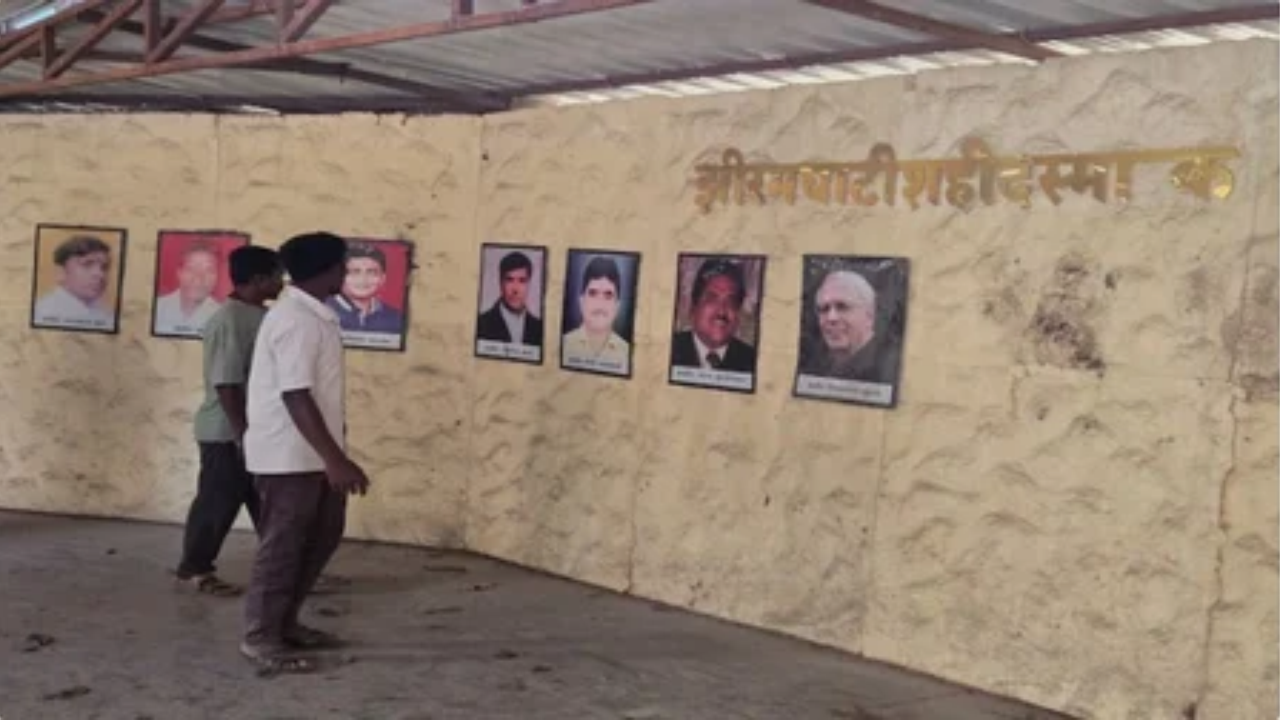
The entire Chhattisgarh Congress leadership was wiped in the Jhiram Ghati Maoist attack out that day.
The convicts are Pramila Modiyam, 40, Chaitu Lekam, Sumitra Punem Modiyam, Mukka Mandavi, Kosa Kavasi, Aayata Markam, Madkami Deva, Joga Madkami, Banjami Sanna and Mahadev Nag.The prosecution examined 101 witnesses and presented several documentary pieces of evidence during the trial. The case initially involved 11 arrested accused. One died during the trial, while the remaining 10 were convicted.The NIA said the accused were found guilty under various provisions of the Indian Penal Code, Arms Act, Explosive Substances Act and Unlawful Activities (Prevention) Act.Defence lawyer Arvind Choudhary said the defence was not satisfied with the verdict and would challenge it in the high court.Who plotted the attackThe NIA said its investigation established that armed cadres of the banned CPI (Maoist), in coordination with local committees and divisions, had conspired to target senior Congress leaders and security personnel travelling with the Parivartan Yatra.The investigation described the attack as part of the Maoists’ Tactical Counter Offensive Campaign, or TCOC.The wider material provided on the case identifies CPI (Maoist) general secretary Nambala Keshava Rao, also known as Basavaraju, as a key Maoist figure linked to the planning and execution of major attacks, including the Jhiram Ghati ambush.As per a TOI report, Basavaraju, who was 70 when he was killed in a gunfight with security forces in Chhattisgarh in May 2025, had risen to become one of the Maoist movement’s most senior military figures.He came from Jiyannapeta village in Andhra Pradesh’s Srikakulam district and was the son of a middle-class family. He studied engineering at REC Warangal, now NIT Warangal. His involvement in campus politics and a 1979 clash with RSS members drew him towards radical activism. He was later arrested, released on bail and disappeared in 1980.He subsequently worked among tribal peasants along the Andhra-Odisha border and helped build the Rythu Coolie Sangham. According to the supplied material, he initially became involved in armed activity with three country-made pistols before joining the People’s War Group in the mid-1980s.He later rose as the group’s chief military strategist. The material says he was believed to have received explosives training from the LTTE in Sri Lanka around 1989-90 and subsequently passed that expertise to Maoist cadres.Basavaraju became head of the CPI (Maoist) Central Military Commission from 2001. His name was linked to several high-profile attacks, including the 2003 Alipiri blast targeting then Andhra Pradesh chief minister N Chandrababu Naidu and the 2013 Jhiram Ghati ambush.Families of convicts reject the chargesWhile the court convicted all 10 accused on September 5, relatives of convict Joga Markam alias Joga Madkami disputed his involvement in the massacre.As per an ANI report, his brother Durjan Markam said Joga had no role in the Jhiram Ghati attack and was wrongly implicated. He said the family had repeatedly travelled for court proceedings and faced financial difficulties because of the legal process.Durjan also questioned the repeated changes in dates for the court’s decision, saying the family had first been told that the verdict would come on August 31, then September 5 and finally September 16.He further claimed that Joga did not know how to use a gun or even shoot an arrow.Joga’s brother-in-law, Santosh Kumar Podiyami, also disputed the prosecution case against him. He claimed that Joga was attending the wedding of former Sarpanch Jiten Markam when the massacre took place.According to Podiyami, the wedding venue was around 20km away in hilly terrain and the attack was reported to have occurred at around 3pm. He said Joga was occupied with the wedding functions and could not have gone to the site.The family therefore maintained that Joga had no involvement in the attack and should not have been punished for it.The Jhiram Ghati case, however, has remained politically and legally contentious beyond the trial itself. The Congress had repeatedly alleged that a larger conspiracy behind the massacre had not been properly investigated. In 2019, the Bhupesh Baghel-led Congress government constituted an SIT, alleging that the NIA investigation had not covered the wider conspiracy angle.In 2020, a fresh FIR was registered at Darbha police station on a complaint by Jitendra Mudliyar, son of slain Congress leader Uday Mudliyar, alleging that conspirators were still at large. The NIA sought transfer of the case, but the special court rejected the request and the Supreme Court later declined to interfere.
- The Jhiram Ghati attack took place on May 25, 2013, during the Congress Parivartan Yatra.
- Maoists ambushed the convoy at Jhiram Ghati in Bastar’s Darbha Valley.
- Mahendra Karma, Nand Kumar Patel, Dinesh Patel, Vidya Charan Shukla and Uday Mudaliyar were among those killed.
- The NIA said IEDs, grenades and indiscriminate firing were used in the attack.
- The material provided puts the final death toll at 27 after three injured victims later succumbed.
- A special NIA court on September 16, 2026 sentenced all 10 surviving convicts to death.