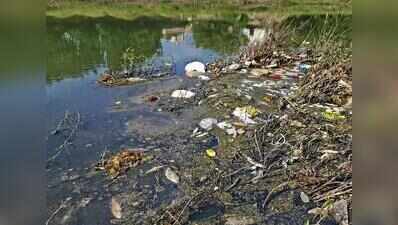
Pune: Dengue cases in Pune nearly doubled in July compared to the previous month, with doctors attributing the rise to intermittent rainfall and expanding waterlogged areas providing ideal breeding grounds for mosquitoes.According to Pune Municipal Corporation (PMC) data, the city recorded 323 suspected dengue cases in July, up from 175 in June. Since Jan, Pune has reported 671 suspected dengue cases, of which 26 have tested positive.PMC health department officials said “suspected” dengue cases refer to patients who test positive on the NS1 antigen test in private laboratories but are yet to be confirmed through IgM and IgG antibody testing at the National Institute of Virology (NIV).The civic body has also identified mosquito breeding at 1,708 locations this year during inspections of homes, offices, colleges and other premises.Doctors said they have witnessed a noticeable increase in dengue patients over the past two weeks, particularly among children, coinciding with the recent spell of on-and-off rainfall.Dr Sagar Lad, senior paediatric intensivist and neonatologist at Jehangir Hospital and Manipal Sahyadri Hospital, said dengue admissions have increased over the past month, with some children developing complications. “The recent rains and water accumulation have led to a rise in dengue cases. We are seeing children with severe manifestations such as low blood pressure, or dengue shock syndrome, requiring hospital support. The severity is comparable to last year, but this is only the beginning of the season and cases may increase further,” he said.He said children are presenting with varying symptoms, including high fever, rash, low platelet counts, reduced white blood cell counts, convulsions and low blood pressure. “People should take precautions to prevent mosquito breeding by ensuring proper sanitation and avoiding water stagnation,” he added.Dr Lad also said that there has been a rise in Influenza A (H3N2 or swine flu) infections, particularly among children. “Influenza A cases have increased significantly, with children presenting with high fever ranging from 100°F to 104°F lasting for 2-3 days with severe muscle weakness and severe cough and cold. We are diagnosing many cases through nasopharyngeal swab testing, and are currently seeing around seven to eight influenza cases a week on an outpatient basis, besides four to five admitted patients,” he said.Dr Sujata Rege, consultant in infectious diseases at Symbiosis University Hospital and Jupiter Hospital, said the increase in dengue cases is in line with the seasonal trend. “There has definitely been an increase in the last week and we have had a couple of admissions, which was not the case earlier. Some patients have dropping platelet counts, but the disease is behaving the way it usually does during this season. The severe cases are largely managed in intensive care units, but the overall pattern is not out of proportion to what we normally expect,” she said.Health experts urged residents to prevent water accumulation in coolers, flower pots, buckets, discarded tyres and other containers, use mosquito repellents and seek medical attention promptly if they develop persistent fever, severe body ache or other symptoms suggestive of dengue.