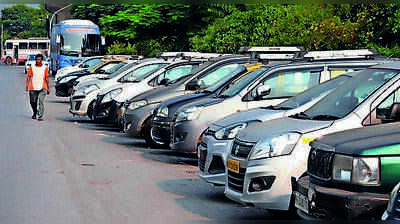
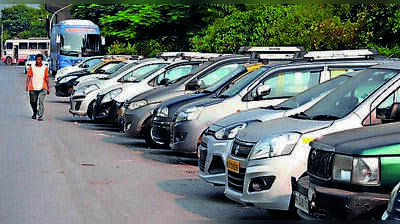
Pune: The city is witnessing a shift in its transport landscape as cab registrations have overtaken autorickshaws for the first time. This trend follows the state govt’s decision earlier this year to terminate the open permit system for autorickshaws.According to data from the Vahan portal, more than 5,000 cabs were registered in Pune between Jan and July this year, surpassing the 4,400 autorickshaws registered in the same period. This marks a significant reversal from 2025, when the city saw 11,300 autorickshaw registrations compared to 9,500 cabs.A similar trend is playing out in the Pimpri Chinchwad RTO jurisdiction. Between Jan and July, approximately 3,200 cabs were registered, outstripping the 2,900 new autorickshaws. Last year, the figures were 6,920 and 6,100, respectively, with rickshaws firmly in the lead.“This is the first time cab registrations have exceeded autorickshaws,” a Pune RTO official told TOI. “Fresh autorickshaw registrations have effectively halted since the closure of the open permit system; we are now only processing applications submitted before March. Consequently, many aspiring drivers are opting to become cab operators instead. As long as they operate within the regulatory framework, this shift is acceptable.”For many drivers, the transition is a matter of necessity rather than preference. Kedar Dattatray Sorde, who recently purchased a car to drive for Uber, Ola, and Rapido, said the permit freeze forced his hand. “I originally planned to buy an autorickshaw for about Rs 2.3 lakh on-road. When the permit system closed, I had to pivot and buy a second-hand car for Rs 3.5 lakh instead,” he said.However, the shift to four wheels often brings heavier financial burdens. Swapnil Patwa, another driver, purchased a new car in April for Rs 7 lakh. “I now pay a monthly EMI of Rs 18,000 for the next four years. To manage this, I’m looking into corporate tie-ups for employee transport alongside app-based bookings. Had I been able to get an autorickshaw permit, my financial pressure would have been significantly lower,” Patwa said.While autorickshaw unions acknowledged the trend, they said both sectors face challenges. Keshav Kshirsagar, president of the Baghtoy Rickshawala Union and the Indian Gig Workers Front, believes the cab sector currently holds a slight edge due to policy changes.“The market is tough for everyone, but cab drivers have gained an advantage following the state’s new aggregator policy, which mandates that 80% of the fare be passed to the driver,” Kshirsagar said. “Further, platforms like Bharat Taxi are in trial phases, and many are signing up. While autorickshaws are currently suffering from a market oversupply, the cab segment still has room to grow.”