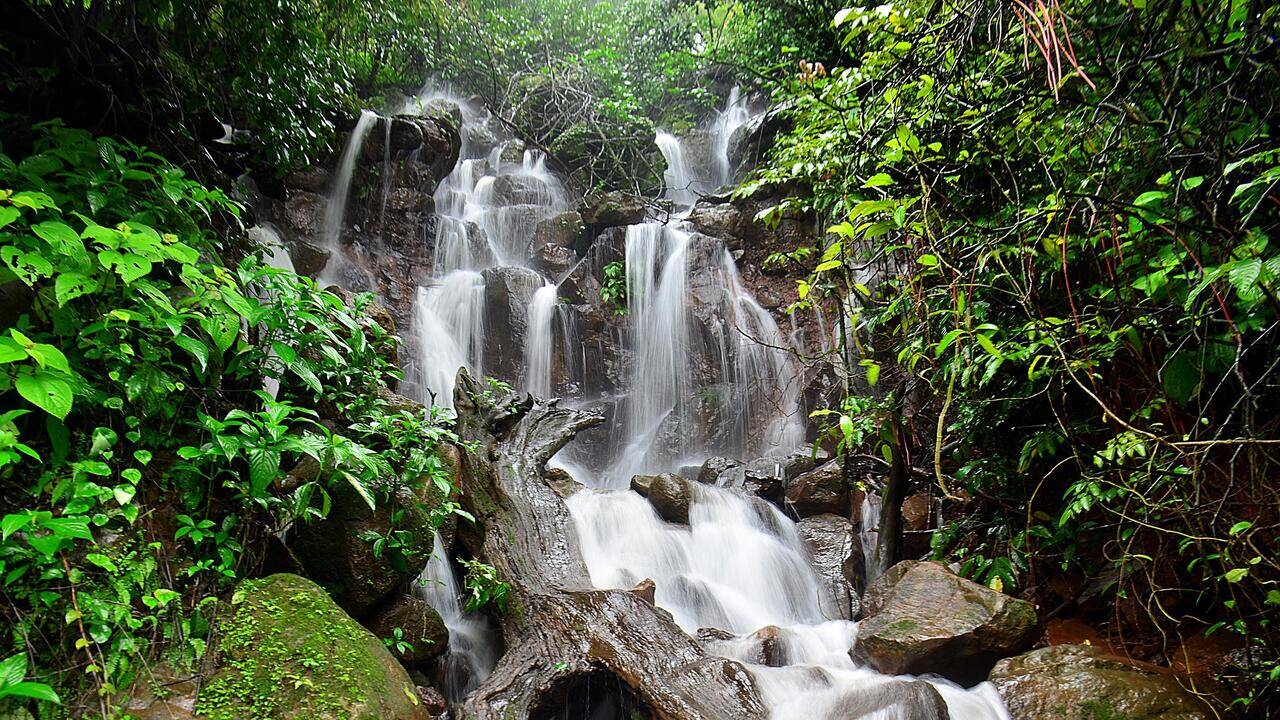
Panaji: Tourism minister Rohan Khaunte on Tuesday urged tourists, social media influencers and parents to act responsibly during the monsoon, warning against visits to unauthorised waterfalls, lakes and quarries promoted online as “hidden gems”.He said state govt and the forest department had notified a list of waterfalls and lakes open to visitors, all of which are monitored by Drishti Marine lifeguards equipped with safety gear. Those venturing to unregulated locations, he cautioned, do so at their own risk as no rescue infrastructure exists there.“Tomorrow if you jump into the pond behind your house and something happens, then who is responsible?” Khaunte said, addressing both visitors and influencers. “If something happens there, there is nobody to save anyone.”He said such incidents not only devastate families but also tarnish Goa’s image as a safe tourist destination. Khaunte urged tourism stakeholders and content creators to promote only designated sites and appealed to parents to counsel their children on safe behaviour during picnics and outings.His remarks come amid recurring monsoon drownings at unregulated water bodies.The appeal follows a representation by local travel operator Mackinlay Baretto to the tourism department over the growing number of unregistered groups organising treks, trails and picnics. Baretto alleged that influencers were conducting treks to waterfalls “without the requisite permissions, certifications, or safety clearances” and publicising non-designated locations through social media.He said licensed operators investing in safety compliance were placed at a commercial disadvantage by unregulated players. He also warned that many trekking and picnic sites lie close to ecologically, culturally and religiously sensitive areas, where unregulated groups often fail to respect environmental safeguards and local sensitivities.