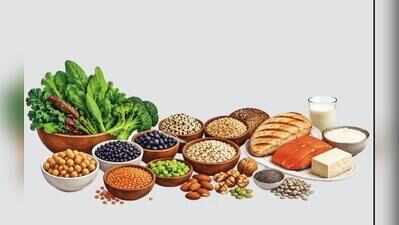
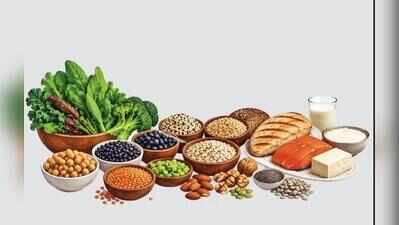
Chennai: Divya Shree, a Class IV student of Bala Vidya Mandir (BVM), no longer brings fried or processed food to school for lunch. Instead, her tiffin box has three mandatory items — a vegetable, curd and a fruit — alongside chapatis or rice. For short breaks, she brings a can of boiled peanuts or cooked beans, thanks to the nutrition card recommended by her school.The trend doesn’t end with BVM. From preparing nutrition charts to allocating special days for consuming fruits and vegetables and monitoring lunch boxes to check students’ food habits, the city’s private schools are aiming to balance academics with students’ health, especially for kindergarten and primary classes.“The school displayed a nutrition card for parents at the start of the academic year, listing what and what not to pack for students and the importance of prioritising health. We also eat the same food at home. So, not only my daughter, but the entire family is healthier now,” said K Beena, Divya Shree’s mother.“The idea is not to impose restrictions on any food, but to stay away from unhealthy food and groom students from a young age towards healthier eating. “For instance, for KG classes, we have allocated special days such as salad days and fruit days. Teachers must ensure that students bring these foods,” said P G Subramaniam, principal, Bhavans Rajaji Vidyashram. The school also has a health ambassador club, which holds awareness sessions weekly for every class on healthy eating.For CBSE schools in particular, the trend is an extension of the ‘oil and sugar’ charts concept introduced by the CBSE board last year to raise awareness on junk food, and a part of the curriculum. “Since healthy eating is a part of the Environmental Science syllabus, we insist parents provide a balanced meal through nutrition cards, with carbohydrates and protein and millets. Vegetables and fruits are non-negotiable in everyday diet” said J Sundar, principal, BVM.A section of schools also monitor students’ lunchboxes, track their students’ eating habits and hold one-on-one sessions with their parents. “We have a team of medical assistants and monitoring teachers who go class to class and track what students eat. If oily foods are in excess, we call up and inform the parents and connect them with cookery experts,” said Prem Shankar, chairperson, Holy Sai Group of Institutions.A section of international schools has also partnered with fitness agencies to prescribe nutrition intake for students. “We check every student’s body mass index, based on World Health Organization (WHO) guidelines for kids. We contact the parents of children with excess or below-par scores. We provide a nutrition chart with the type of food (veg and non-veg) and instructions on how to cook them and the ingredients to use. We also connect parents to dieticians,” said Dhruv Mehrotra, business development manager at Fittgen.