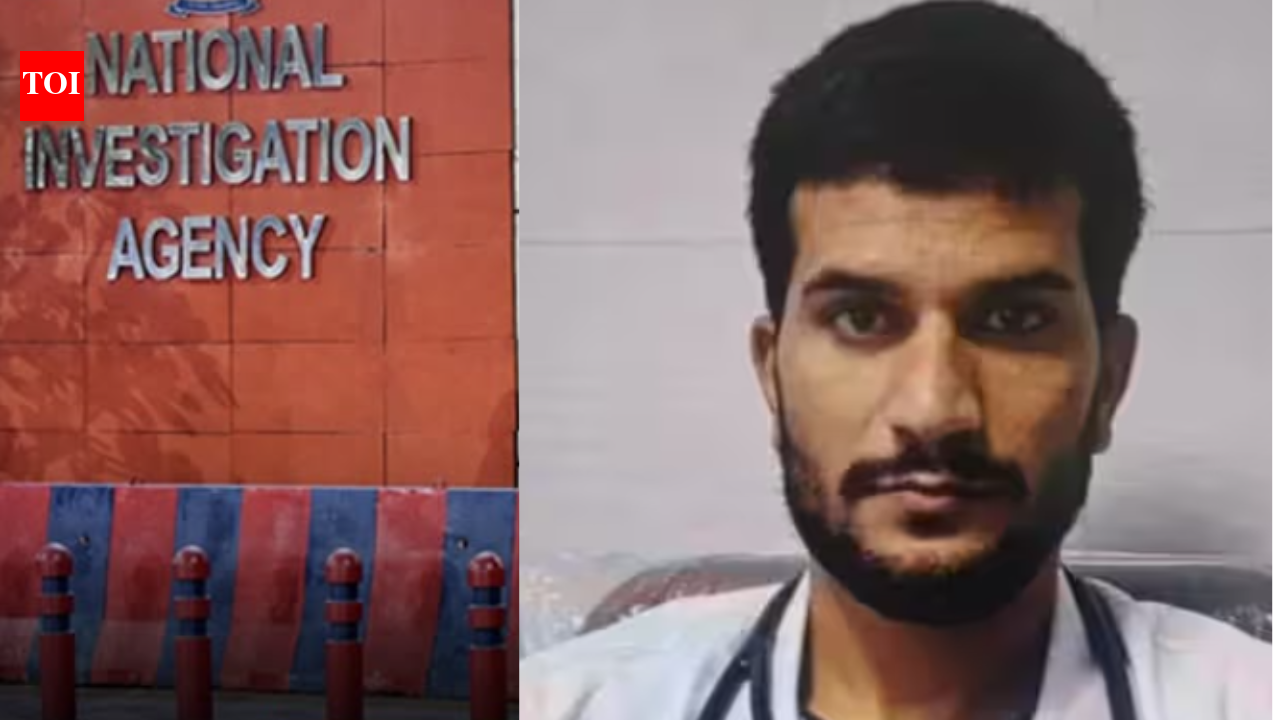
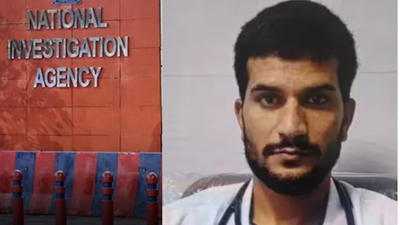
NEW DELHI: The National Investigation Agency (NIA) has alleged that Umer Un Nabi, who was killed in the November 2025 Red Fort car blast, spent years reviving the dormant Ansar Ghazwat-ul-Hind (AGuH) network and building a terror module to carry out attacks in IndiaAccording to the agency’s chargesheet, Nabi was functioning as the “operational in-charge” of AGuH Interim, which investigators have described as a revived version of the Ansar Ghazwat-ul-Hind (AGuH) module linked to Al-Qaida in the Indian Sub-continent.he agency has alleged that he was responsible for radicalising recruits, arranging meetings and training, procuring resources and laying the groundwork for terrorist operations.
NIA says Nabi worked to revive dormant terror module
The chargesheet alleges that Nabi, also known by the names Pinda and Rahul Bhat, began efforts to revive the dormant network in early 2022.Investigators have alleged that he sought to build a network of radicalised individuals, encouraged the idea of “Shahadat” or martyrdom and facilitated clandestine meetings and terror-related training.The agency also cited Nabi’s alleged intention to travel to Afghanistan for “Hijrat”, saying his association with extremist ideology had deepened during this period.
Encrypted chats, extremist material examined
The NIA said members of the alleged module used encrypted platforms, including Signal, to stay in contact.Investigators also recovered literature that, according to the chargesheet, promoted armed struggle and violence.The documents included “Definition of Jihad”, “The Requirements of Jihad”, “The 21 Aims and Objectives of Jihad”, “39 Ways to Serve and Participate in Jihad” and “44 Ways to Support Jihad”.The agency has alleged that the material not only sought to justify violence but also dealt with concealment, maintaining operational secrecy, using false identities and methods of carrying out attacks.
Probe traces weapons, funds and explosives preparations
The chargesheet alleges that Nabi was involved in arranging money, sourcing illegal weapons and identifying places where members of the alleged module could meet or keep material connected to the conspiracy.Investigators have also examined the recovery of chemicals and laboratory equipment, with forensic analysis of material recovered after the blast showing traces of TATP and ammonium nitrate, according to the NIA.The agency said these recoveries pointed towards preparations to manufacture and store explosive substances.
Car allegedly converted into VBIED
According to the NIA’s case, the vehicle used in the Red Fort blast had been turned into a vehicle-borne improvised explosive device (VBIED).The agency has alleged that Nabi and another accused procured a second-hand car for the conspiracy.Nabi was in the vehicle when it exploded, and the chargesheet says DNA analysis of biological material recovered from the site helped establish his identity.Forensic examination also detected explosive residues on material collected from the blast site. The NIA has alleged that the device was triggered from within the vehicle through a command mechanism.
Red Fort blast killed 11, injured 29
The explosion took place at around 6.50pm on November 10, 2025, near the Red Fort.The blast killed 11 people and injured 29, besides damaging vehicles and property in the surrounding area, according to the investigation.The NIA has alleged that the attack represented the culmination of a broader conspiracy involving the revival of the AGuH network, recruitment and radicalisation, training, procurement of weapons and preparations for carrying out terror attacks.Since Nabi died in the explosion, proceedings against him have been abated. His alleged role, as set out in the chargesheet, will remain subject to judicial scrutiny and trial.(With ANI inputs)