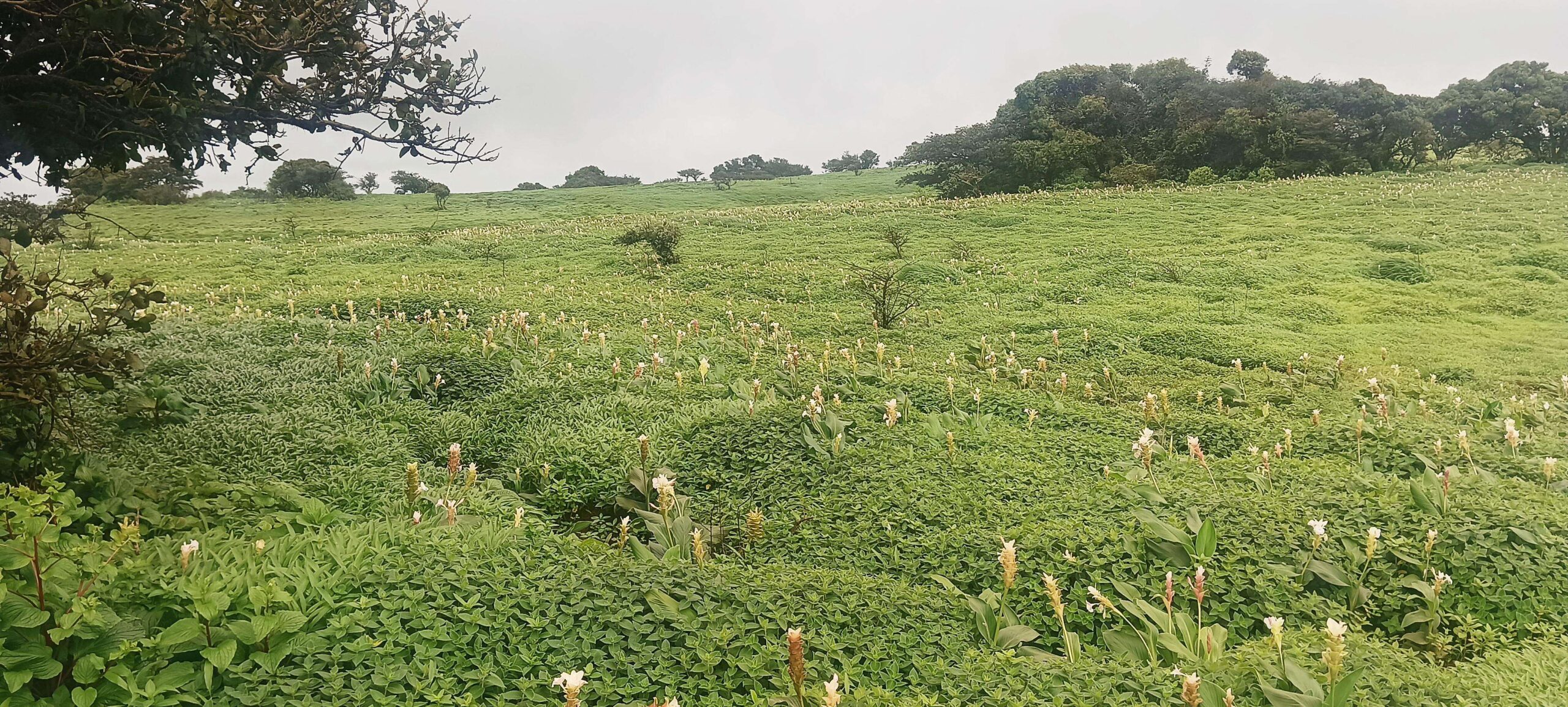
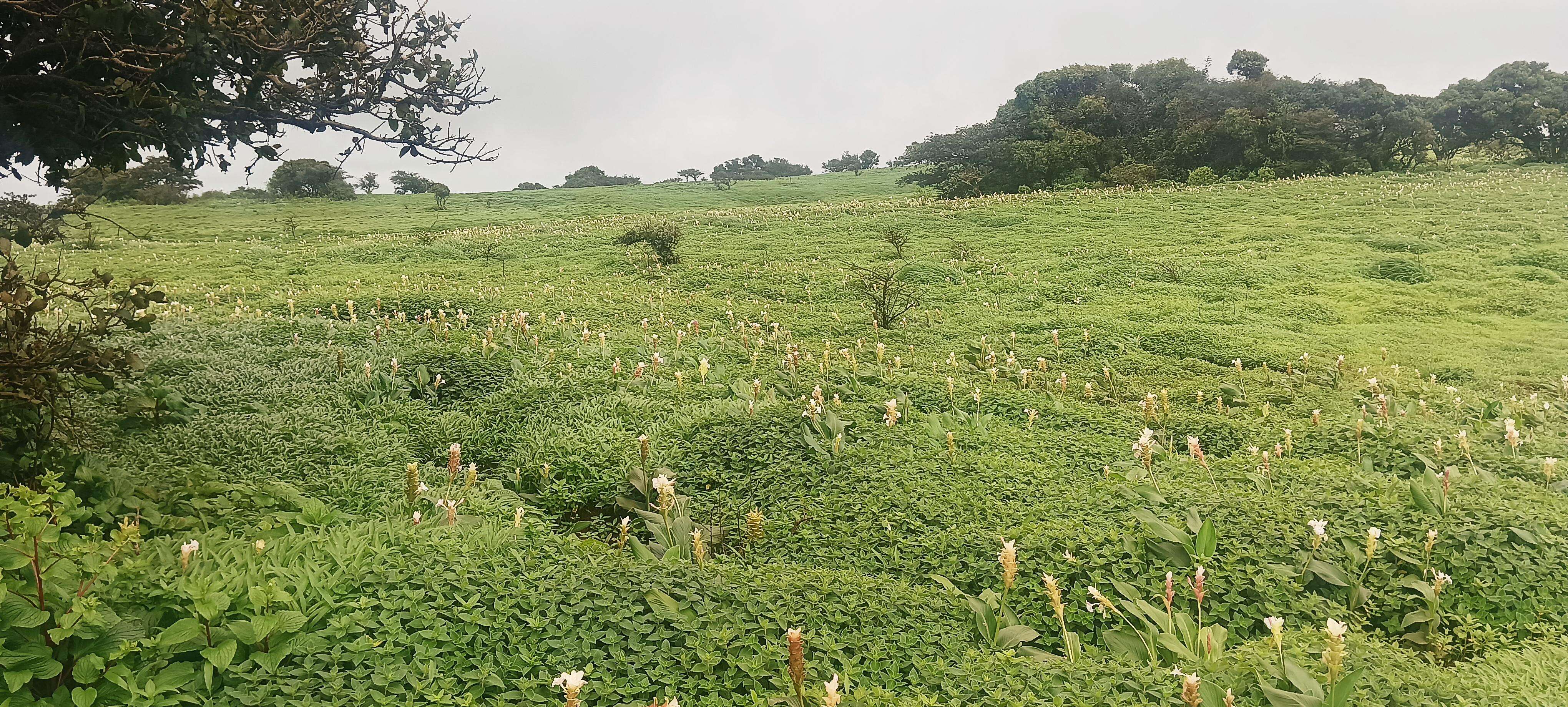
Kas Plateau (Satara): At Kas Plateau, a Unesco World Heritage Site, conservation and livelihood merge, with a group of women sitting quietly along a red mud track, ensuring that the flowers remain where they belong—in the wild.Suvarna Aatale, wrapped in a bright yellow raincoat, keeps a watchful eye on visitors. Around her, the landscape is slowly turning into a carpet of colour as the famed plateau begins its annual flowering. But Aatale’s job is not to admire the flowers. She is there to ensure that visitors do.Her jurisdiction is a roughly 400m stretch of the track, beyond which tourists are not allowed to enter the core flowering zone. “During the peak season, visitors cannot stop themselves from touching the flowers or rushing to take a closer look. I am stationed here to protect this patch,” she said. A few metres away, Sarika Aatale guards another section of the plateau.For these women, Kas is not just a place where they stand guard. The short flowering season brings assured employment. “This two-month blooming season is the best because we get employment every day. The forest department pays us Rs 600 per day. It is a big help,” Sarika said, standing beside one of the distinctive pagodas along the track.The forest department has engaged around 30 women for the first time this year from the neighbouring tribal villages to protect the plateau during the flowering season. Their working day begins early and stretches until 6pm, when the plateau closes to visitors.Their presence is deliberately unobtrusive. They sit at designated points, monitor visitors and gently prevent them from entering sensitive areas.For Shantabai Kadam, a woman in her 50s, the task is different. She keeps an eye on vehicles and whistles at motorists who stop where they should not.“If I allow one vehicle to stop, others will complain. Our job is to monitor traffic and ensure minimum presence of vehicles, especially near the core zone, where people should see the flowers and not vehicles,” she added.The women begin their day much before reaching Kas. Their mornings start around 4am as they rush with cooking and other chores. They leave around 6am and reach the plateau 45 minutes later.They are assigned designated spots by the security in charge after which they settle in for a day of watching over one of Maharashtra’s most delicate natural spectacles. Yet the job does not feel like conventional guard duty to everyone.“I don’t feel like I am doing guard duty at all. I enjoy it when visitors click photographs with me and ask questions about the flowers,” Suman, who is posted along the ‘Rajmarg’, an old route associated locally with Chhatrapati Shivaji Maharaj and his troops, said.“I have learnt a little about flowers. I explain to the visitors what I have learnt from others and forest officials,” she added. The interaction works both ways. On quiet days, the women say, the long hours can become monotonous.Sarika said,“That is the dull period of the day because I have to sit alone for a long time. When there are visitors, I talk to them and time flies. I also learn from them about new places, their experiences and their feedback,” Sarika said.For women from the surrounding villages, seasonal employment also fills a crucial livelihood gap. Most work as farm labourers during the agricultural season, cultivating rice and nachni (finger millet). When the season ends, work becomes scarce.“That is the toughest time for us. We go looking for work up to the next monsoon. We earn over Rs 20,000 in these two months which is significant,” Shantabai said.The flowers bloom for only a few weeks. For these women, the brief period brings work, dignity and a reason to protect the landscape that sustains them.