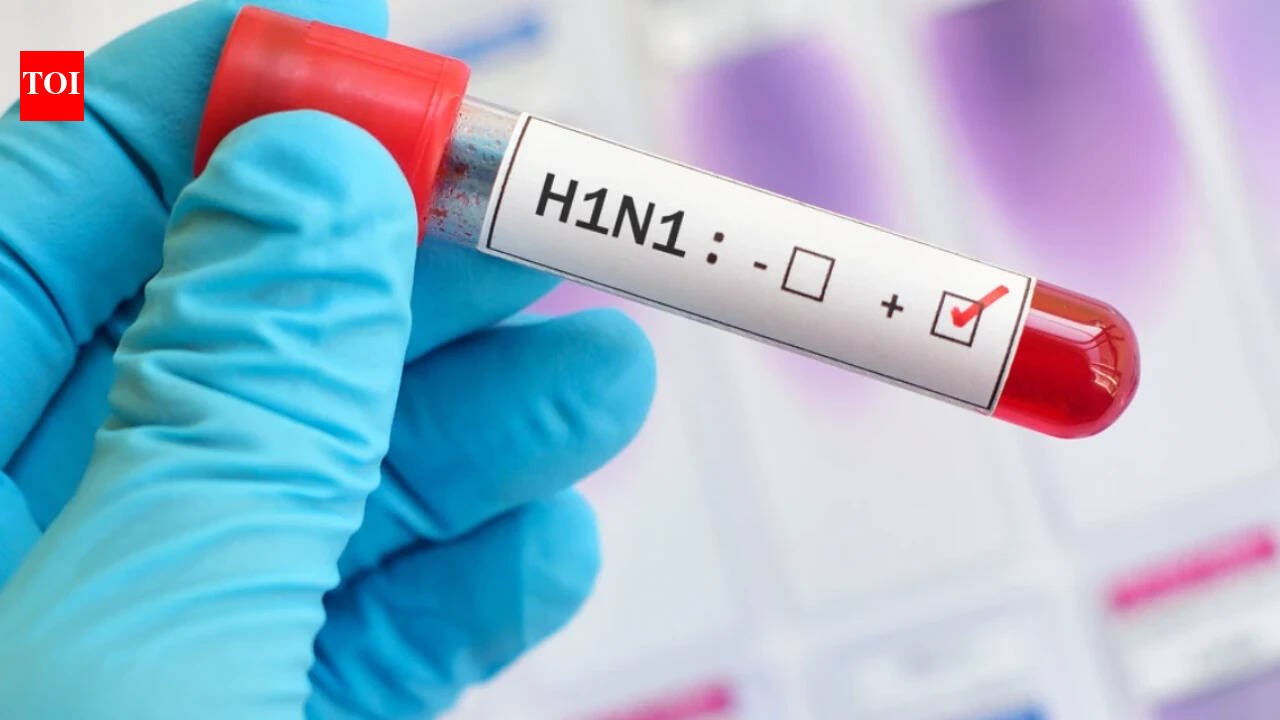
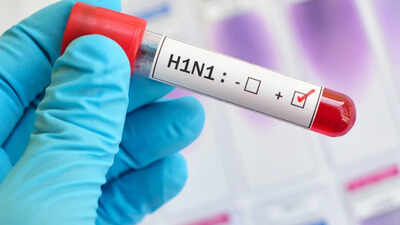
NEW DELHI: Delhi’s H1N1 tally climbed to 2,612 after 166 fresh cases were reported in the last 24 hours, while total Influenza-A cases rose to 3,300, according to Delhi government data.The latest figures come as the Delhi government steps up preparedness at hospitals amid a rise in H1N1 and seasonal influenza cases.Health minister Pankaj Kumar Singh on Thursday visited Indira Gandhi Hospital to review arrangements for managing the increasing caseload, officials said.During his visit, Singh reviewed flu management facilities, including isolation beds, emergency services, testing infrastructure, availability of medicines and deployment of medical staff.A dedicated flu clinic has been made operational at the hospital, along with isolated beds for influenza patients requiring treatment, officials said.The minister’s visit came a day after he directed Delhi government hospitals to strengthen emergency services and ensure adequate isolation beds, doctors, testing facilities, medicines and other essential resources.Hospitals were asked to maintain at least five isolation beds, while larger facilities were told to keep 10 or more beds for influenza and vector-borne disease cases.They were also directed to maintain shift-wise duty rosters and ensure doctors and medical staff are available round the clock, news agency PTI reported.The latest figures represent a rise from Wednesday, when Delhi recorded 138 fresh H1N1 cases in the preceding 24 hours, taking the cumulative tally to 2,446. Influenza-A cases stood at 3,177 at the time.Dr Mohit Bhardwaj, MBBS, MD (Pulmonology), consultant, PB Health, Gurgaon, said the rise in H1N1 cases was significant but there was no need for panic.“What we are seeing this year is a genuine shift; H1N1 has overtaken H3N2 as the dominant influenza strain circulating in the capital,” Bhardwaj said.He said monsoon humidity was creating favourable conditions for viral transmission and hospitals were consequently seeing increased footfall at fever clinics.“The concern isn’t the virus alone, it’s how symptoms overlap with dengue, COVID-19 and the common cold, which makes early clinical differentiation difficult without testing,” he said.Bhardwaj advised people against self-medication and urged those with high-grade fever lasting more than two to three days, breathlessness, chest pain or persistent cough to get tested promptly.(With agency inputs)