
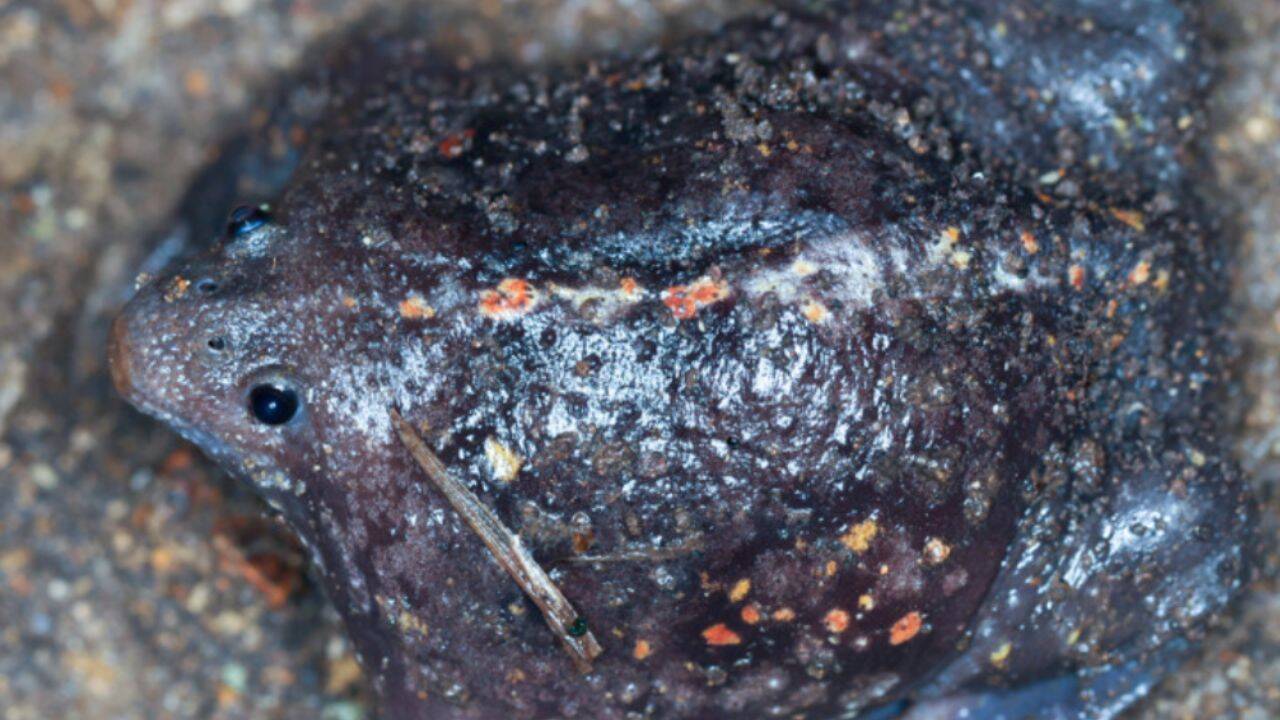
A small Ice Age toad hidden in the collections of California’s La Brea Tar Pits has emerged as a new species to science, giving researchers another way to read the environmental history of ancient Los Angeles. ‘Spea labreae’, the extinct spadefoot toad, was identified when Dr Alberto Cruz revisited amphibian and reptile fossils that had not been studied in detail for decades. One bone initially stood out as unusual, raising the possibility that it had been affected by an injury or disease.As per Journal of Vertebrate Paleontology, Cruz compared the bone with those of known spadefoot toads; its unusual features began to suggest something more significant that it belonged to a species never identified before. The finding is especially notable because amphibian fossils are rare. Until now, only one other extinct Pleistocene amphibian had been identified in North America. Researchers also found evidence that a Mexican burrowing toad once lived in the same region. Together, the fossils provide new clues about how amphibian ranges changed as the last Ice Age ended.
How Dr Alberto Cruz discovered the new Ice Age toad species
Dr. Alberto Cruz is a paleoecologist and paleobiogeographer who studies ancient ecosystems. He was working as a postdoctoral fellow at the La Brea Tar Pits when he began reviewing its collections of amphibian and reptile fossils. Cruz was not initially looking for a new species. While examining the collection, he noticed an incomplete toad bone with unusual features that set it apart from every known spadefoot toad. He first thought the differences could have been caused by an illness or injury. But after repeatedly examining the fossil and comparing it with modern spadefoot toads, he realised it represented a new species. Cruz remains a Research Associate at the Tar Pits and works full-time as a researcher for Mexico’s SECIHTI-CIPAQ and INAH.
PC: California’s La Brea Tar Pits & Museum
How was the new Ice Age toad species identified at La Brea Tar Pits museum
Researchers formally named the new toad ‘Spea labreae’ after recognising it in an incomplete sacro-urostyle, a bone connecting the spine to the hips. Cruz initially wondered whether the unusual structure reflected an illness or injury rather than a separate species. He then compared the specimen and other La Brea remains with modern toads. The differences remained, and the study identifies S. labreae as distinct from other members of the spadefoot family. As per California’s La Brea Tar Pits & Museum, the researcher also examined the shapes and sizes of bones from the Tar Pits amphibians, which had not been carefully assessed for nearly 30 years. He compared those fossils with 80 specimens held in collections at the Natural History Museum of Los Angeles County and the University of California, Berkeley.
How this Ice Age toad fossil helps reveal ancient Los Angeles
The discovery matters beyond adding another name to the fossil record because amphibians can reveal local environmental conditions. Frogs, toads, and salamanders generally do not move far during their lives and are highly sensitive to changes around them. Changes in temperature, vegetation, and other conditions can affect where they survive.Their presence in an ancient landscape can provide clues about the conditions in which these animals once lived. Amphibian remains are relatively uncommon in the fossil record because their small, delicate bones are less likely to survive. The Tar Pits are known for preserving a wide range of Ice Age animals in asphalt, including remains that might otherwise have been lost. Spea labreae adds amphibians to that record, giving researchers another piece of evidence for understanding the wildlife that lived in the Los Angeles area during the Pleistocene.