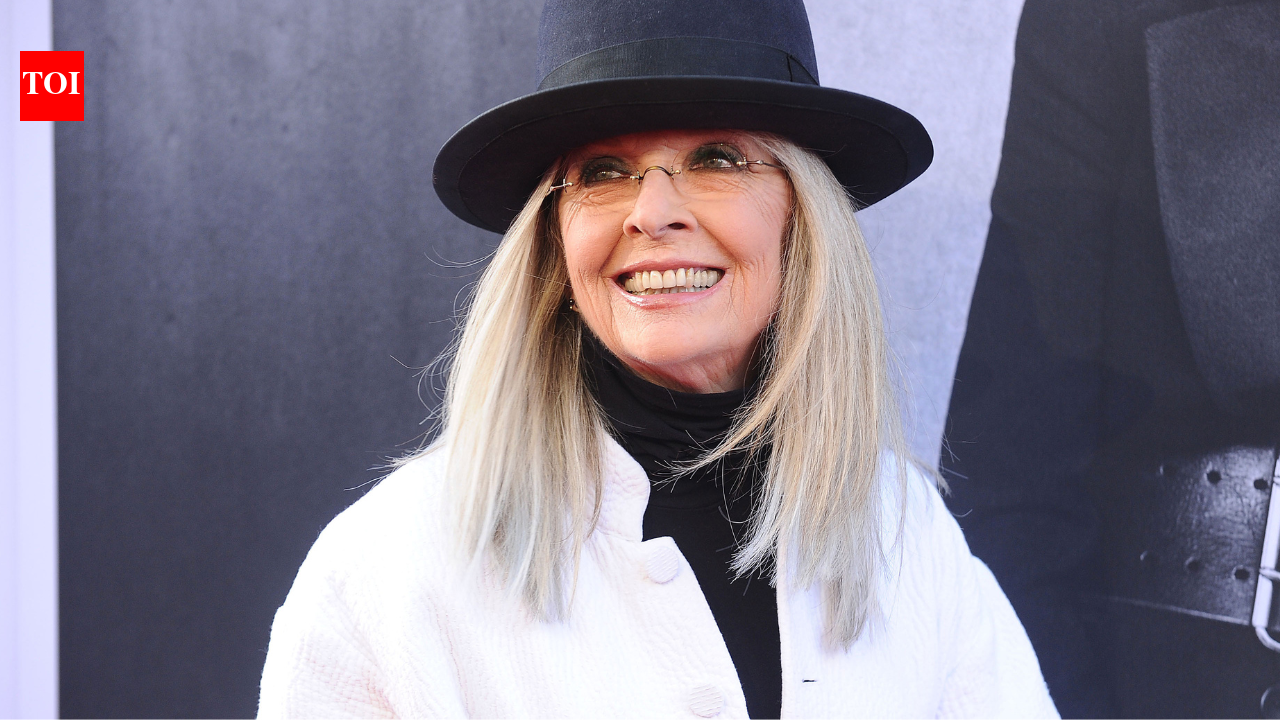
Somewhere between growing up and keeping up with life, laughter often gets pushed to the side. Diane Keaton’s statement brings that simple joy back into focus, reminding us that adulthood may come with more responsibilities, but it does not have to come at the cost of finding joy in every moment. Keaton included the thought in her 2014 book, ‘Let’s Just Say It Wasn’t Pretty,’ a collection of essays touching on ageing, beauty and self-acceptance.Today’s quote of the day by Diane Keaton reads: “Babies laugh three thousand times a day. Adults twenty, if we’re lucky.”
What does the quote by Diane Keaton mean?
The quote juxtaposes the natural joy of babies with the serious nature of adulthood. On the one hand, babies can be entertained by small things, and on the other hand, adults get busy with work, money, responsibilities and worries, forgetting the meaning of true joy. This thought encourages people to look at the little moments of happiness and not to wait for a big reason to feel happy.
What is the relevance of Diane Keaton’s quote today?
As adults, we are busy with endless deadlines, social expectations and distractions. It’s easy to put laughter on the back burner. Keaton’s words remind us that just because you are responsible doesn’t mean you have to be serious all the time. Taking time for friendships and small pleasures can help people rediscover the lighter side of daily life.
Diane Keaton’s early life
According to the American Film Institute, Diane Keaton was born on January 5, 1946, in Los Angeles, California. She grew up with three siblings and developed an interest in performing at an early age. She then studied acting in California before moving to New York, where she taught at the Neighbourhood Playhouse. Keaton began her professional journey on stage and made her Broadway debut as part of the original cast of Hair in 1968. She later appeared in Play It Again, Sam, beginning her long creative association with Woody Allen.
Diane Keaton’s rise to fame
Diane Keaton’s journey to fame took off when she moved from side roles to some of Hollywood’s most memorable films. She made her film debut in Lovers and Other Strangers before gaining visibility as Kay Adams in The Godfather (1972). She reached greater heights with Woody Allen’s Annie Hall (1977), winning the Academy Award for Best Actress. She later starred in films including Father of the Bride, The First Wives Club, and Something’s Gotta Give.