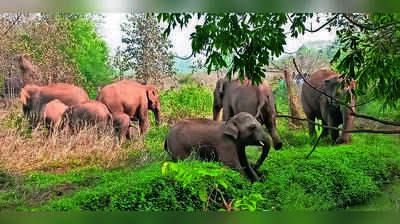
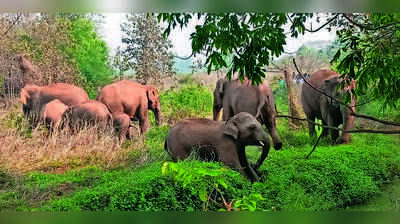
Kolkata: Bengal recorded 2,059 human-elephant conflict cases between 2000 and 2025, resulting in 1,761 human deaths and 298 human injuries. Also, 753 elephants died during the same period, according to a Wildlife Institute of India-Project Elephant study.As per the data, north Bengal’s Dooars remains the principal conflict belt, with Jalpaiguri division recording the highest number of human casualties at 357, followed by Gorumara Wildlife Division with 296 and Buxa Tiger Reserve (West) with 220. Kurseong recorded 171 cases and Buxa East 145. In south Bengal, Bankura North accounted for 120 cases and Jhargram 91.Elephant deaths show a similar northern concentration. Of the 753 deaths, 245 were attributed to anthropogenic causes and 508 to natural causes. Electrocution was the leading identified human-induced cause, killing 111 elephants, followed by train collisions at 93. Poaching accounted for 31 deaths, while poisoning, vehicular accidents and retaliatory killing accounted for six, three and one respectively. Buxa West recorded 45 elephant deaths, Buxa East 42, Jalpaiguri 42 and Gorumara 38.“Adult males were disproportionately affected by anthropogenic causes, while natural mortality was more evenly distributed across age classes, including juveniles and calves. This pattern aligns with broader ecological understanding that human-induced mortality selectively removes high-risk individuals, potentially altering population structure, behaviour, and long-term viability,” it said.The conflict follows a seasonal pattern, too. The southwest monsoon recorded the highest number of human casualties at 685, followed by winter with 533, summer with 476 and the post-monsoon period with 365. Men accounted for 1,554 of the 2,059 human casualties, compared with 505 women; the gender difference was statistically significant.The 25-year pattern is closely linked to a changing landscape. The study found progressive forest fragmentation between 2000 and 2025, with fewer large, continuous forest patches. Forest loss and expanding human-modified areas have increasingly pushed elephants into croplands, tea plantations, settlements and transport corridors, it said.The report identifies a contrast between the two Bengals: north Bengal faces chronic conflict involving resident elephant populations, while south Bengal has witnessed more recent intensification involving largely seasonal, migratory elephants. With 26 identified jumbo corridors cutting through human-dominated landscapes in Bengal, the study warns that fragmentation and infrastructure are turning movement routes into recurring conflict zones.Among the steps suggested to check conflict are barrier maintenance, focus on awareness and regular inspections to check electrocution deaths, early-warning systems and safe jumbo-crossing structures along rail tracks, use of light-based deterrents, restoration of habitat and protection of jumbo corridors.