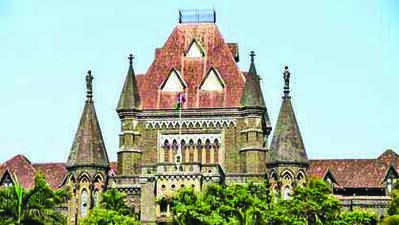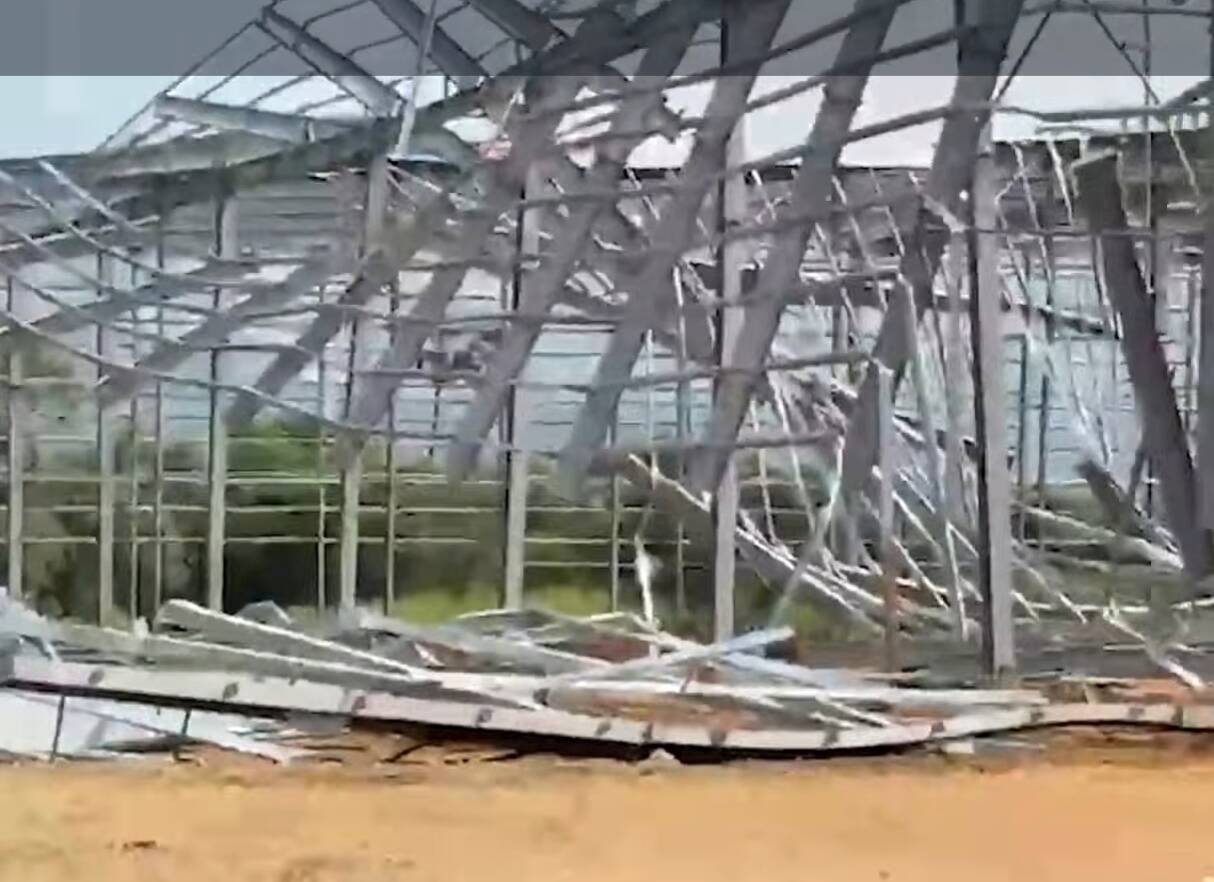
MUMBAI: A key legal hurdle in the redevelopment of thousands of Mumbai’s ageing and dangerous buildings has been addressed after the Maharashtra Legislature passed an amendment to the MHADA Act to revive implementation of Section 79A. The Bill, cleared by both the Vidhan Sabha and the Vidhan Parishad, now awaits the Governor’s assent before becoming law.The amendment seeks to remove the legal ambiguity that led the Bombay High Court to stay the implementation of Section 79A nearly a year ago. It authorises officers empowered by the Maharashtra Housing and Area Development Authority (MHADA) to exercise powers under the provision, replacing the earlier reference to a “competent authority” that became the focal point of the legal challenge. The Bill was recently introduced in the Assembly by legislator Ajay Choudhari.The High Court had stayed around 935 notices issued by MHADA under Section 79A after observing that there appeared to be legal infirmities in the process. The State expects the amendment to strengthen its case before the Supreme Court, where the validity of Sections 79A and 79B continues to be under consideration.The outcome is significant for Mumbai, where more than 13,000 cessed buildings—many built before 1940—house lakhs of families. Redevelopment of these structures has remained stalled for decades because of landlord-tenant disputes, prolonged litigation and the reluctance of some landlords to redevelop unsafe properties.Sections 79A and 79B were introduced in 2020 following a series of fatal building collapses, including the Husaini Building collapse in 2017 that claimed 33 lives, the Dongri collapse in 2019 that killed 14 people and the Fort building collapse in 2020 in which 10 people died. The provisions empower MHADA to step in where landlords fail to redevelop dangerous buildings while allowing tenants, with the consent of at least 51% of occupants, to undertake redevelopment themselves.The need for speedy redevelopment is reflected in official data. RTI information obtained by activist Jeetendra Ghadge shows that Mumbai recorded 345 incidents of complete or partial building collapses between 2021 and August 2025, resulting in eight deaths and 28 injuries. MHADA records further show that 815 people lost their lives in building collapses between 1970 and 2018, underscoring the long-term human cost of delayed redevelopment.Welcoming the legislature’s approval, Ghadge, founder of The Young Whistleblowers Foundation, said the implementation of the “life-saving” provision should never have been halted over a technical question relating to the identity of the competent authority when thousands of lives are at stake. He also noted that litigation over the 100-month rent scheme has remained pending before the Supreme Court for nearly 25 years and expressed hope that the apex court would accord primacy to the constitutional right to life of lakhs of tenants living in unsafe buildings while deciding the pending challenge to Sections 79A and 79B.Once it receives the Governor’s assent, the amendment is expected to reinforce the State’s legal position before the Supreme Court. However, the redevelopment mechanism can be implemented only after the apex court delivers its final verdict. For lakhs of residents living in dilapidated cessed buildings, the legislation marks a significant step towards unlocking one of Mumbai’s most consequential urban renewal initiatives.