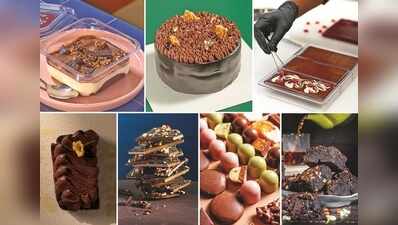
A small table. Two cups of coffee. One plate – luxurious, decadent and considered. An expensive dark chocolate entremet, mirror-smooth, set to precisely the right temperature. No starter preceded it. No main will follow. This is the meal. Across India, this is the quiet revolution reshaping how people go out to indulge. The destination isn’t a restaurant. The main course is chocolate. India’s new dessert bars are intimate, indulgent, built around the experience of the first morsel of a chocolate creation. At these spots, savoury dishes are the sidekick. The dessert was always why you came. Here’s why India can’t have enough of chocolate experiences.
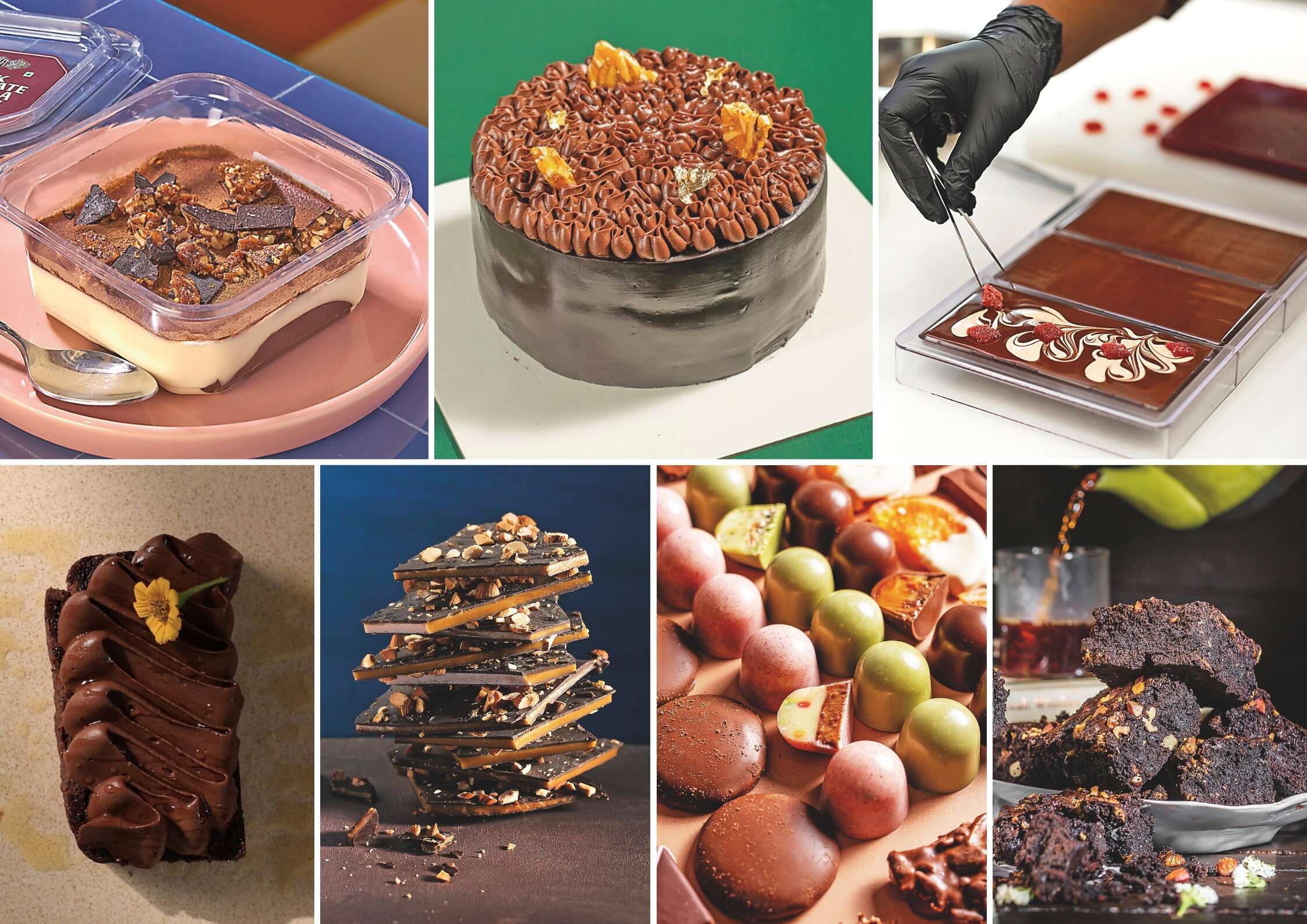
Why the table is turned sweetIndia has never needed permission to celebrate dessert. Zeba Kohli, chocolate sommelier and custodian of Fantasie Fine Chocolates — a Mumbai institution with over 85 years of history — traces the instinct back further than any trend cycle. “From my grandmother, my mother, conversation around dessert always took precedence over the main menu,” she says. “We are all coming around a full circle.” What’s new is the format. Across cities, dessert bars and specialty chocolate cafes have become destinations in their own right – menus built backwards from the dessert, coffee the pairing rather than the punctuation. Yash Bhanage, founder and COO of Bombay Sweet Shop by Hunger Inc. Hospitality, puts it simply: “People aren’t necessarily waiting until the end of a meal for dessert anymore. Many come in just for a sweet treat and a coffee, the same way they’d meet over a meal.” At Lille Dessert Bar in Kolkata, chef and founder Karishma Kothari saw the shift in a pattern – people travelling post dining just to enjoy their favourite dessert or to discover a new place with friends.One dessert, many texturesChocolate is the headliner – and what’s on the plate is being designed as much for sensation as for taste. Chef Karishma’s Baileys and dark chocolate entremet is a multi-layered mousse cake that reveals itself fifteen minutes out of the fridge: dark chocolate mousse, soft sponge, creamy lift of Baileys – every component supporting the others. At Pardon our French in Mumbai, celebrity chef Pooja Dhingra keeps her bestseller spare: a gooey dark chocolate cake with silky mousse, finished with olive oil and sea salt. “I like to layer textures and have depth of flavour,” she says. “And I like to keep things simple.”At Manam Chocolate – the Hyderabad-based bean-to-bar maker with experiential spaces in Hyderabad and Delhi – Chef Ruby Islam, who leads product and innovation, is methodical about it: thin chocolate shells giving way to creamy ganache; roasted nuts whose tannins interact with cacao tannins depending on origin and roast level. “What people choose reveals their intent that day,” she says. “Comfort, intellectual engagement, or pure sensation. The form is never incidental.”
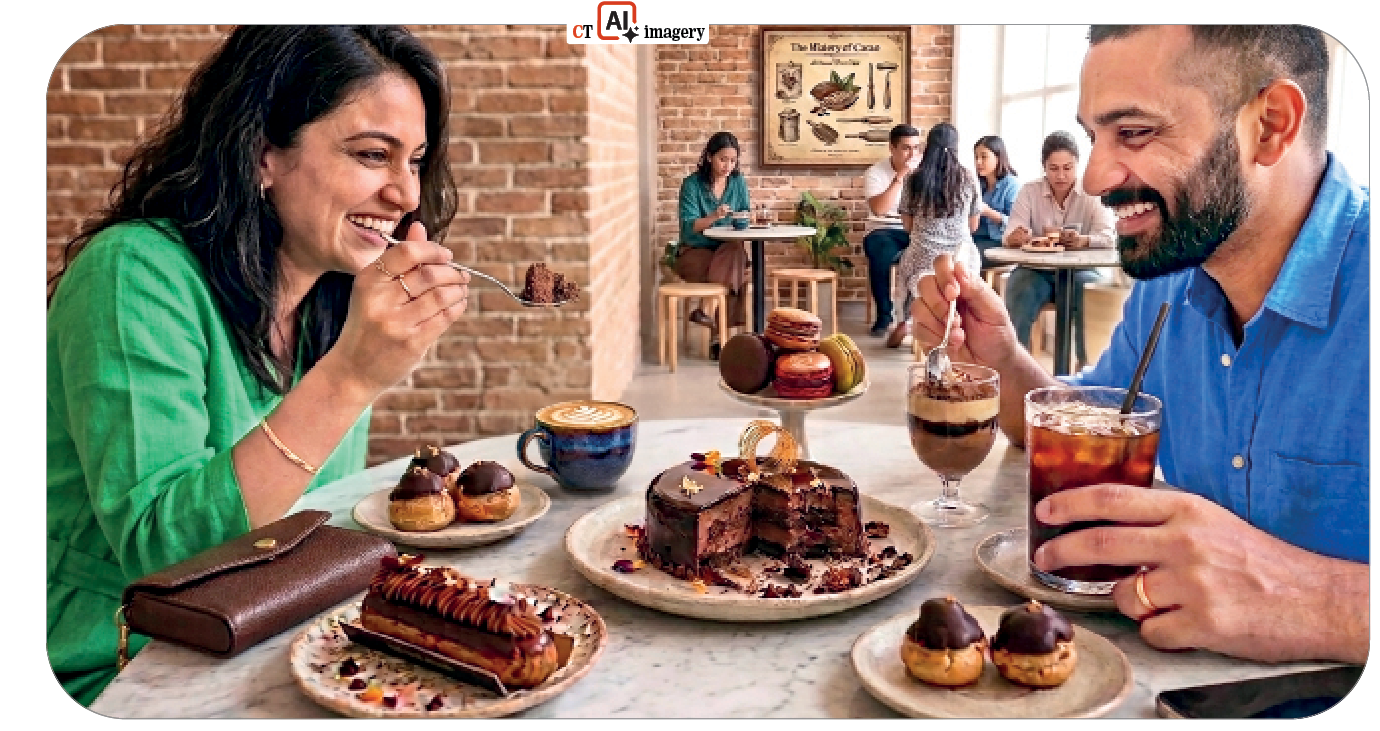
Image generated by Ai for representational purposes only
Mithai but make it a chocolatey fusionThe most alive creative territory in Indian chocolate sits at the intersection of two traditions – familiar Indian mithai with the pizazz of Western flavours and techniques. Bombay Sweet Shop makes the argument most vividly: a Dark Chocolate Rasgulla Tiramisu – rasgullas soaked in coffee and chocolate syrup, layered with mascarpone and dark chocolate; a 54.5% Dark Chocolate Kaju Katli, ganache-filled and cocoa-dusted; a Coconut Caramel Patissa, flaky layers bound with pepper caramel, coated in dark chocolate. “People love recognising flavours they’ve grown up with, but experiencing them in a new format,” says Yash. On the other hand, Chef Pooja created a special moong dal halwa cake for Alia Bhatt’s b’day last year which ended up becoming a festive menu staple – think chocolate sponge, hazelnut praline, ganache, and halwa.Manam takes the logic to its root. Their creative fermentation series – cacao fermented with Mango-ginger, Pedda Rasalu Mango, and Chakkarakeli Banana – absorbs Indian sensibility at the bean itself. “It’s not chocolate imposing itself on Indian tradition,” says Chef Ruby. “It’s chocolate that has already absorbed Indian sensibility.”The bean behind the barBehind every great chocolate dessert is a sourcing story – and globally, that story has been turbulent. Cacao prices have spiked sharply, dividing makers with direct farmer relationships from those at the mercy of commodity markets. Founder of Manam Chocolate, Chaitanya Muppala, who works with over 150 farmers across 3,000 acres in West Godavari and controls post-harvest processing at the Tadikalapudi Fermentery, is direct: “When global cacao prices spike, commodity-dependent makers scramble. We adjust collaboratively with farmers built on equitable trade.”Provenance is no longer background detail. Chef Karishma has sharpened sourcing decisions without cutting quality or portions. What customers ask has fundamentally changed — Chef Ruby captures it precisely: For Chef Pooja the pressure has been practical — a recalibrated balance between chocolate and non-chocolate dishes. “The Indian consumer is a value-conscious consumer,” she says. “If they find something that gives them value, they champion the product.” At ₹400 to ₹700 and above per dessert, craft and traceability are as much a part of the experience as what’s on the plate. The chocolate is no longer just chocolate. It’s an argument.What the trend says
- Dessert bars are standalone dining destinations — one chocolate dessert with coffee is now a complete outing.
- Dark chocolate (65%–85%) dominates, with customers building palate literacy the way specialty coffee drinkers once did.
- Texture — crisp, creamy, molten, crunchy within a single plate — drives repeat orders more than flavour alone.
- The Dubai-chocolate pistachio-kunafa wave sparked curiosity but hasn’t built loyalty; provenance is what retains customers.
- India’s fusion dessert moment is maturing — chocolate absorbed into Indian sweet tradition, not imposed upon it.
- Cacao price spikes have split the market: makers with direct farmer relationships are insulated; commodity-dependent ones, under pressure.
- Single desserts now command ₹400–700+ in premium bars. Craft, traceability, and the bean’s story are what customers pay for.
Industry voicesSweets and desserts are very much coveted by all of us. We’re all coming around a full circle – dressing that truth up in entirely new formats — Zeba Kohli, Chocolate SommelierCustomers today are noticeably more willing to spend on a well-made dessert, especially when they know they can return and have the same experience every time. Consistency has become just as important as novelty – Chef Karishma KothariPeople are choosing lighter cleaner flavours but there’s always a market for indulgence. Many are more experimental. They will order chocolate with olive oil for example but when they want comfort they’ll pick the basics – Chef Pooja DhingraTen years ago, customers thought in percentages, ‘I like 70% dark’. Now they’re thinking about origins, fermentation methods, and the maker’s intention. That literacy has transformed chocolate from a commodity ingredient to a premium experience – Chef Ruby IslamWe’re seeing guests gravitate towards richer dark chocolates and combinations that balance sweetness, texture and flavour. Our inspiration comes from reimagining familiar sweets in surprising formats – where the magic lies for us – Yash BhanageIncreasingly, customers recognise that premium dessert pricing is justified when tied to visible craft – they see the cost, and understand the difference between intention and artificial markup – Chaitanya Muppala