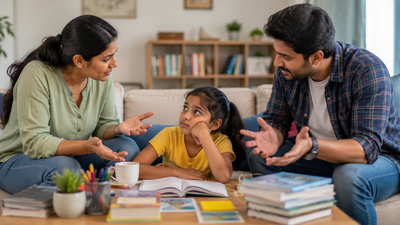
Every parent wants the best for their child: better schools, more opportunities, sharper communication skills, a few talents to be proud of. Fair enough. But somewhere in the process of wanting the best, a lot of children have quietly stopped being kids and started running schedules that would exhaust even a working adult.Doctor and entrepreneur Dr Ritesh Malik shared an Instagram video calling out what he thinks is one of modern parenting’s biggest blind spots: treating children like projects that always need one more upgrade. Judging by how many parents have shared and reacted to it, what he said is quite a big issue in the present time.
13 Jul 2026 | 12:58
Which parenting tip from elders actually worked for you?
“Their calendar is more filled up than mine”
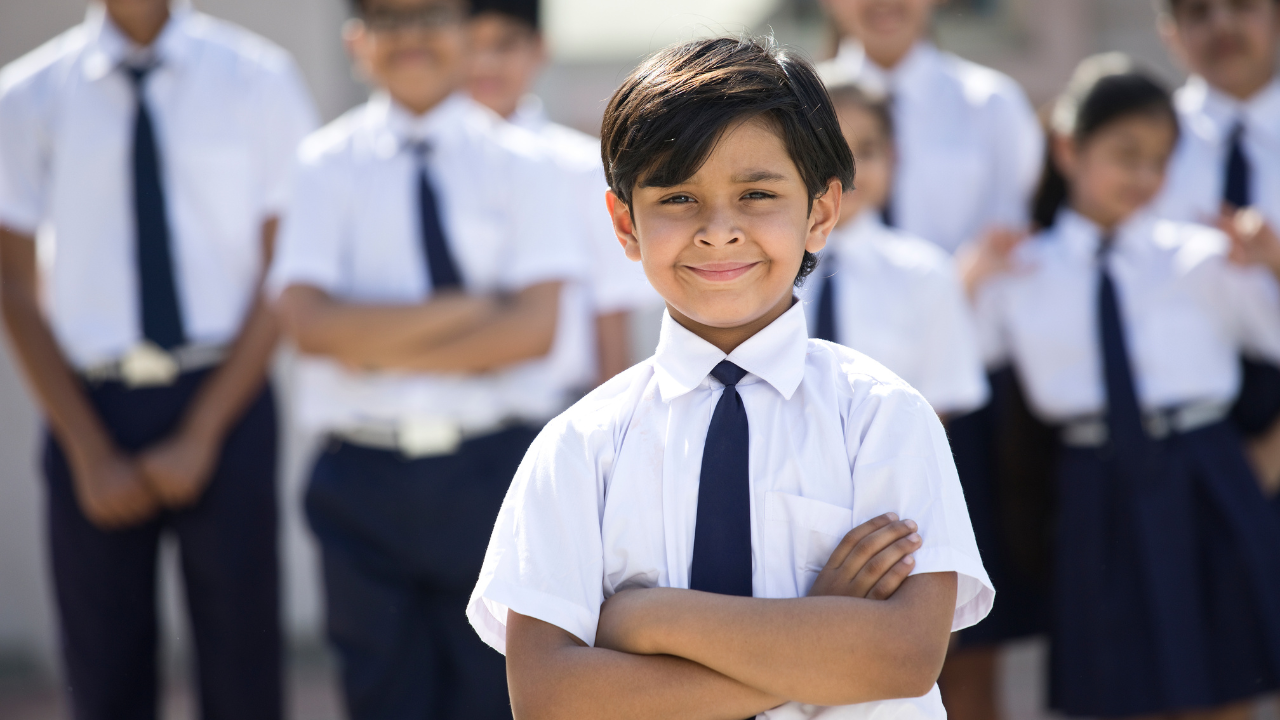
Photo: Canva
In the Instagram video, Malik says kids today barely get any downtime. “I feel that children are under so much pressure today. You can imagine, a small child, their calendar is more filled up than mine.” He gives an example that will sound uncomfortably familiar to most parents. Someone mentions that a five-year-old down the street already plays the piano, and the thought creeps in: should we sign our child up too?Then it doesn’t stop there. “They should speak English well.” Then one more skill gets added to the pile. “They should also know French.” His response to all this is one word: Why?“If she wants to learn the piano, we’ll teach her,” he says, talking about his own daughter. The point being, a child’s interest should decide the activity, not the neighbour’s kid’s report card.
“Your kids are not your KPI projects”
The part of the video that really landed was this line, aimed squarely at parents. “People need to understand your kids are not your KPI corporate projects,” he said in the video.Kids, he says, aren’t meant to be shown off online for having a longer list of “skills” than the next child. Every child has their own pace, and forcing a schedule onto them doesn’t change that.“They are not to show to your relatives how well they sing poems. They are not to show to the world how many skills they have.” So instead of stacking public speaking, three languages, music and coding into one packed week, his suggestion is almost old-fashioned: let childhood be childhood.“If you want to make children happy, tell them for two hours a day, ‘Just look at the wall. No problem.'” Obviously nobody’s asking kids to literally stare at a wall. It’s shorthand for something parents have quietly stopped allowing: boredom, daydreaming, unstructured time that doesn’t need to be “productive” to count for something.
Every child runs on a different clock
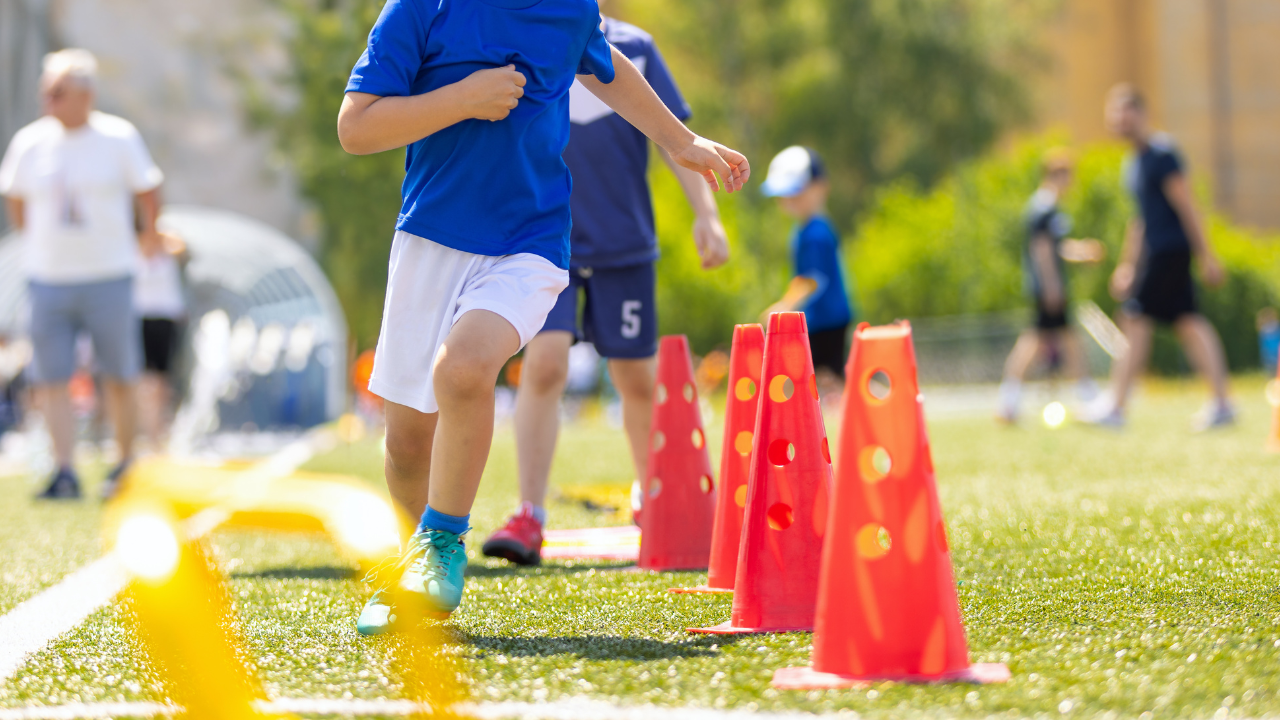
Photo: Canva
Comparisons, Malik says, rarely do anyone any good. “Let them figure out what they want to do with their lives on their own terms. Every child is different.” A lot of parenting pressure, he points out, isn’t even deliberate: it just creeps in through casual comparisons with a cousin, a classmate, or the kid next door.
What the research actually says
This isn’t just a nice sentiment, there’s a fair bit of evidence backing it up. A 2024 study published in the Economics of Education Review tracked the time diaries of over 4,300 American children and teenagers from kindergarten through Class 12. The findings were striking: piling on homework and extracurricular activities didn’t meaningfully boost academic performance beyond a point, but it was clearly linked to higher anxiety, depression, and anger in children.Closer home, the picture is just as concerning. A 2023 school-based study conducted across CBSE schools in Karnataka’s Belagavi district found that nearly three in four adolescents reported high levels of academic stress. National Crime Records Bureau data has repeatedly flagged academic pressure as a major contributor to student suicides in India. The National Commission for Protection of Child Rights has also pointed to comparison with peers and the relentless push toward “well-roundedness” as key drivers of stress among Indian students.
Why boredom isn’t the enemy
Photo: Canva
Most parents fill up every free hour out of one fear, that their child will “fall behind” if they don’t. But according to several child psychologists, boredom is doing more good than harm. Left with nothing scheduled, kids don’t just sit there, they invent games, ask odd questions, get into mischief, figure things out on their own. That’s where independence and imagination actually come from, and no coaching class can replicate it.
The takeaway for parents
Nobody’s saying music lessons, sports or a second language are bad ideas. They’re not. But they only work when they follow a child’s curiosity, not when they’re bolted on because another kid in the building is already three activities ahead.Children aren’t performance reports, and they aren’t corporate projects waiting on a review. They’re individuals, still figuring out who they are. Sometimes the best thing a parent can hand their child isn’t another class on the calendar, it’s permission to slow down, get bored, and just be a kid for a while.