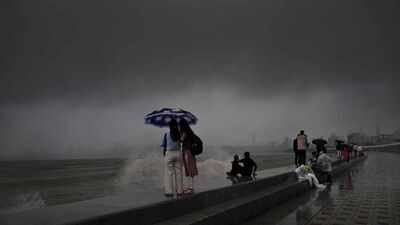
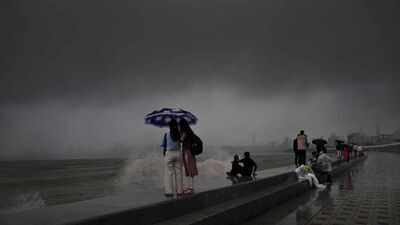
MUMBAI: “Bro yeh har saal ka hai, Andheri subway shut hi hoga,” Mumbaikars barely flinch when the season’s first spell of heavy rain arrives. Social media fills up with memes about flooded roads, stranded commuters and delayed local trains.Office WhatsApp groups begin discussing work-from-home options. Navigation apps turn red. But beneath the humour lies an uncomfortable reality.
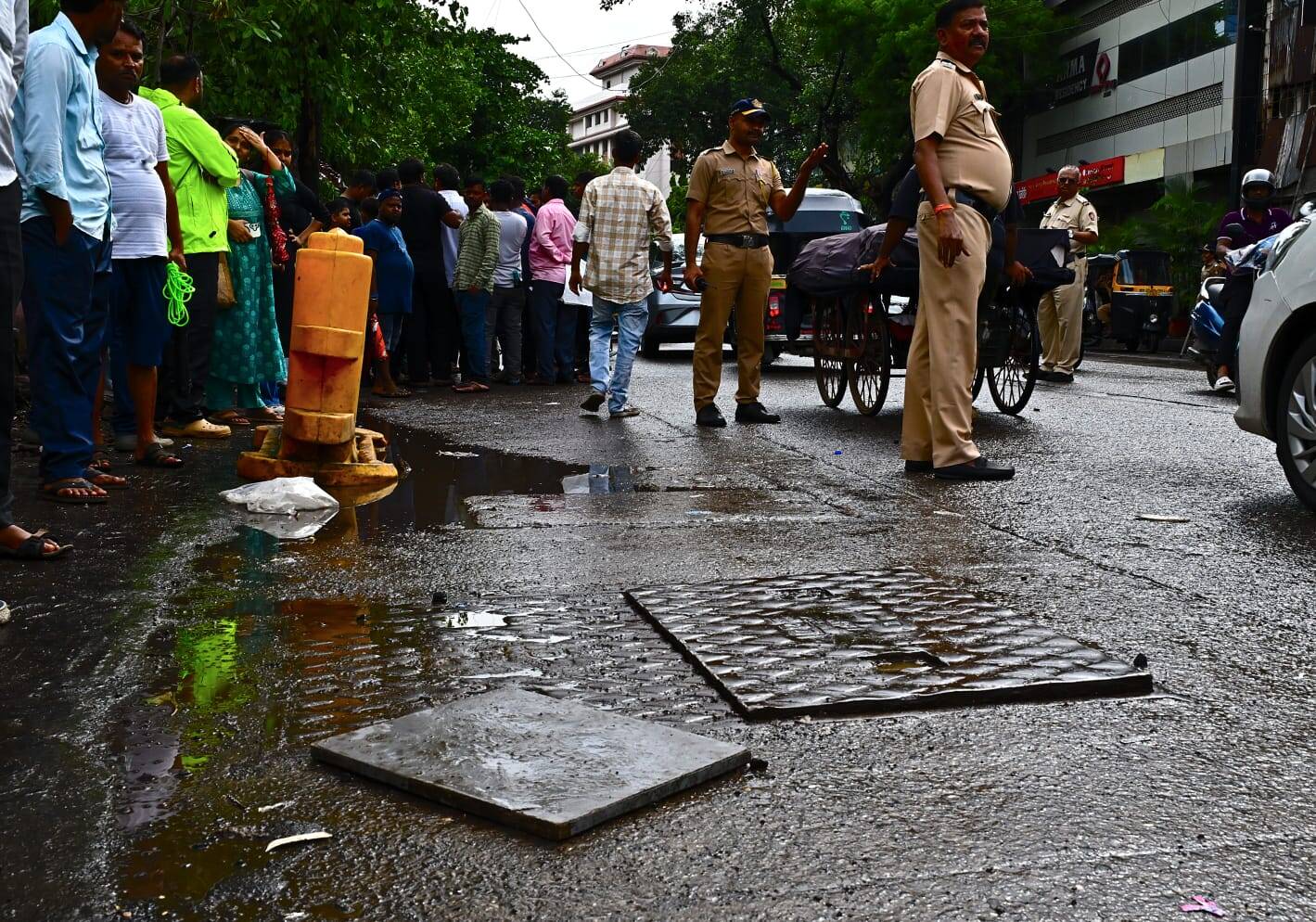
A man died after falling into an open manhole on Khairani Road in Sakinaka on Thursday (Image Credit Uma Kadam/TNN)
For Mumbai, the first major monsoon shower is not just a weather event; it has increasingly become an annual test of civic preparedness. Almost every year, the first intense spell of rain brings with it reports of trees crashing onto roads and vehicles, wall and balcony collapses, electrocution risks, open manholes, flooded subways and, tragically, loss of lives.This year has been no different.First heavy spell, first casualtiesWithin days of the season’s first widespread heavy rainfall, Mumbai witnessed multiple rain-related tragedies.An 11-year-old boy was killed after a tree collapsed in Chembur, triggering outrage over whether the tree had been identified as dangerous before the monsoon.
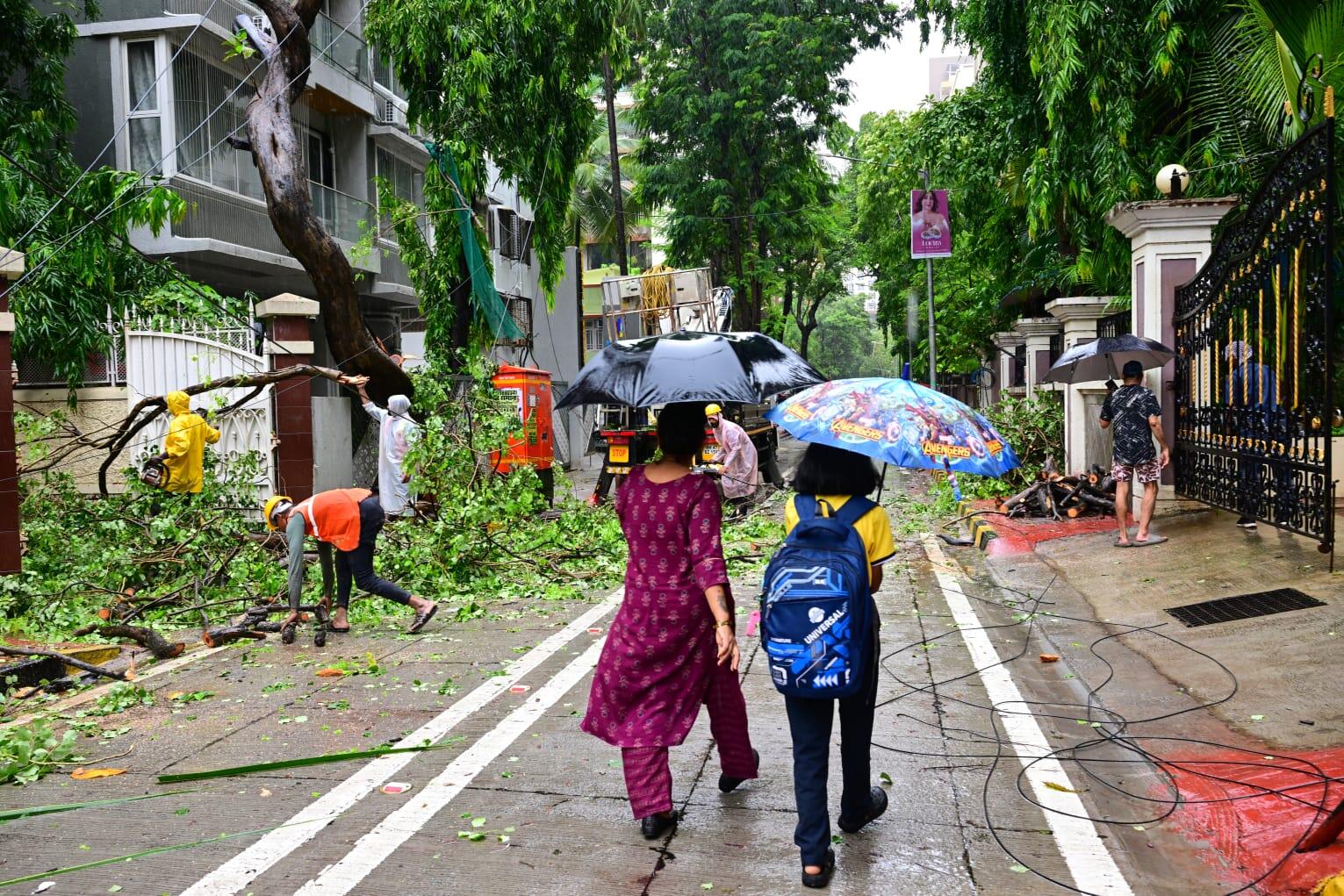
A schoolgirl walks with her parent past workers trimming trees at the site of the recent school bus accident (Image by Sanjay Hadkar/TNN)
The Brihanmumbai Municipal Corporation (BMC) later suspended an official pending an inquiry into the incident.Another tragedy unfolded in Sakinaka, where a 55-year-old man fell into an open manhole hidden beneath rainwater and died. The civic body subsequently suspended four officials over alleged negligence.In Santacruz, eight people were injured when a tree unexpectedly crashed during an inspection by civic officials, highlighting the unpredictability—and danger—posed by ageing urban trees during heavy rainfall.‘Only good for people sipping coffee’Speaking to TOI, an aspiring actor from Versova said, “Bhai, mera audition miss ho gaya because of this rain. It feels nice at first, but then the infrastructure collapses and traffic jams take over. Mumbai rains are only good for people sipping coffee from their balconies.”The numbers tell the storyThe first few days of heavy rain generated an extraordinary number of emergency calls.Civic control rooms remained busy responding to emergencies across both the island city and suburbs.
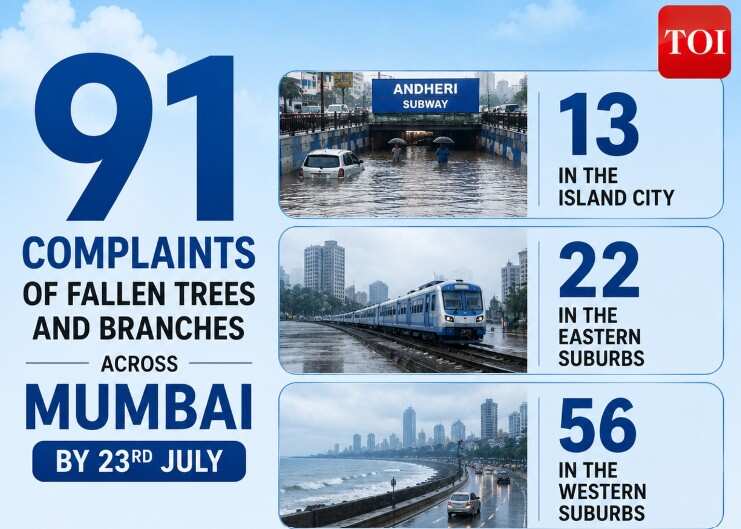
2026
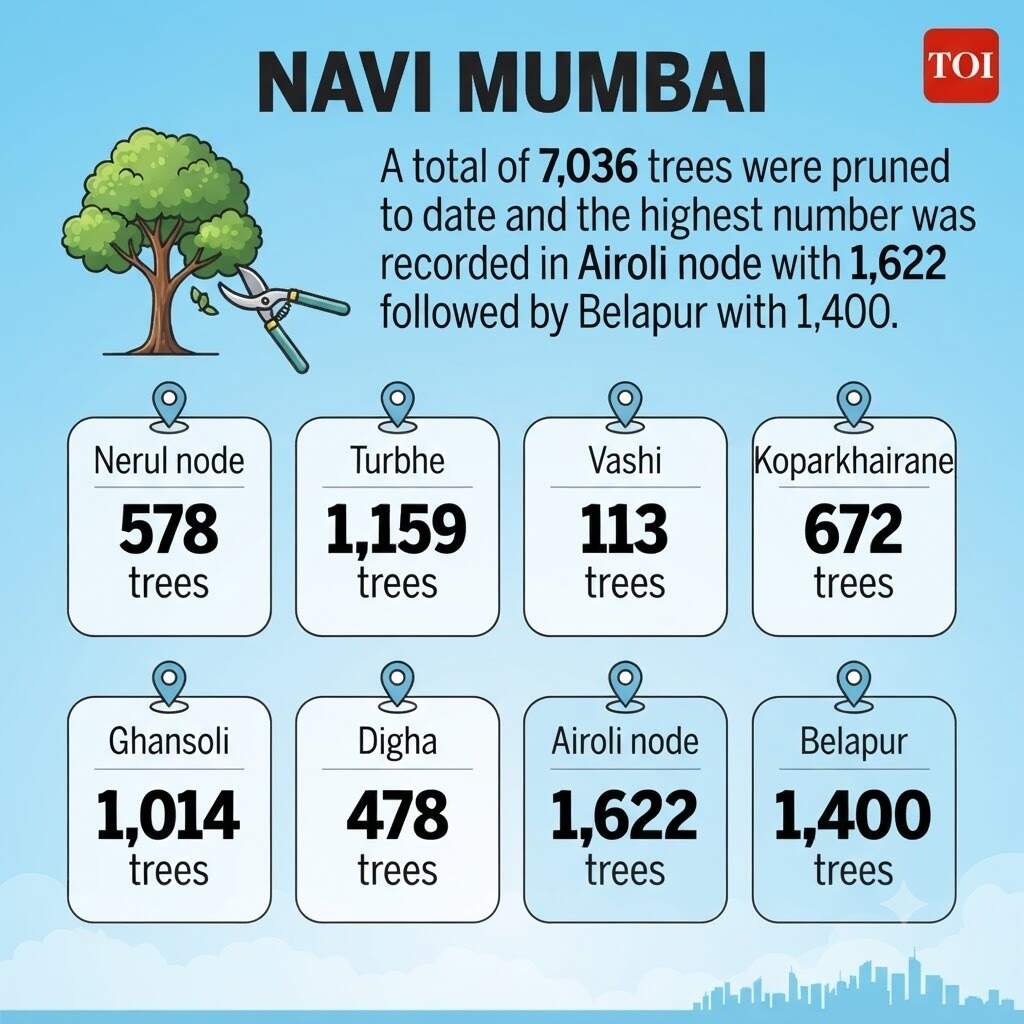
2026
2025The 2025 monsoon once again followed a familiar pattern of rain-related tragedies. A 13-year-old boy lost his life after falling into a rainwater-filled pit near the BKC Metro station and 25-year-old Tejas Naidu, a resident of Kannamwar Nagar in Vikhroli (East), was killed when a tree collapsed during heavy rainfall.In 2025 alone, BMC received 7,083 pothole complaints in just two months, with nearly 40% coming from three wards. The season also saw a fatal accident after a scooter hit a water-filled pothole in Powai.2024After the southwest monsoon arrived in Mumbai on June 9, 2024 the Brihanmumbai Municipal Corporation (BMC) recorded 106 complaints of uprooted trees and falling branches between June 9 and June 22.2023The 2023 monsoon proved even deadlier.More than 450 trees had fallen in Mumbai after the monsoon’s onset, and four people lost their lives between June 29 and July 12 after being crushed by falling trees or branches, according to data.Familiar trouble spotsSome stretches across Mumbai have earned a reputation for monsoon chaos.
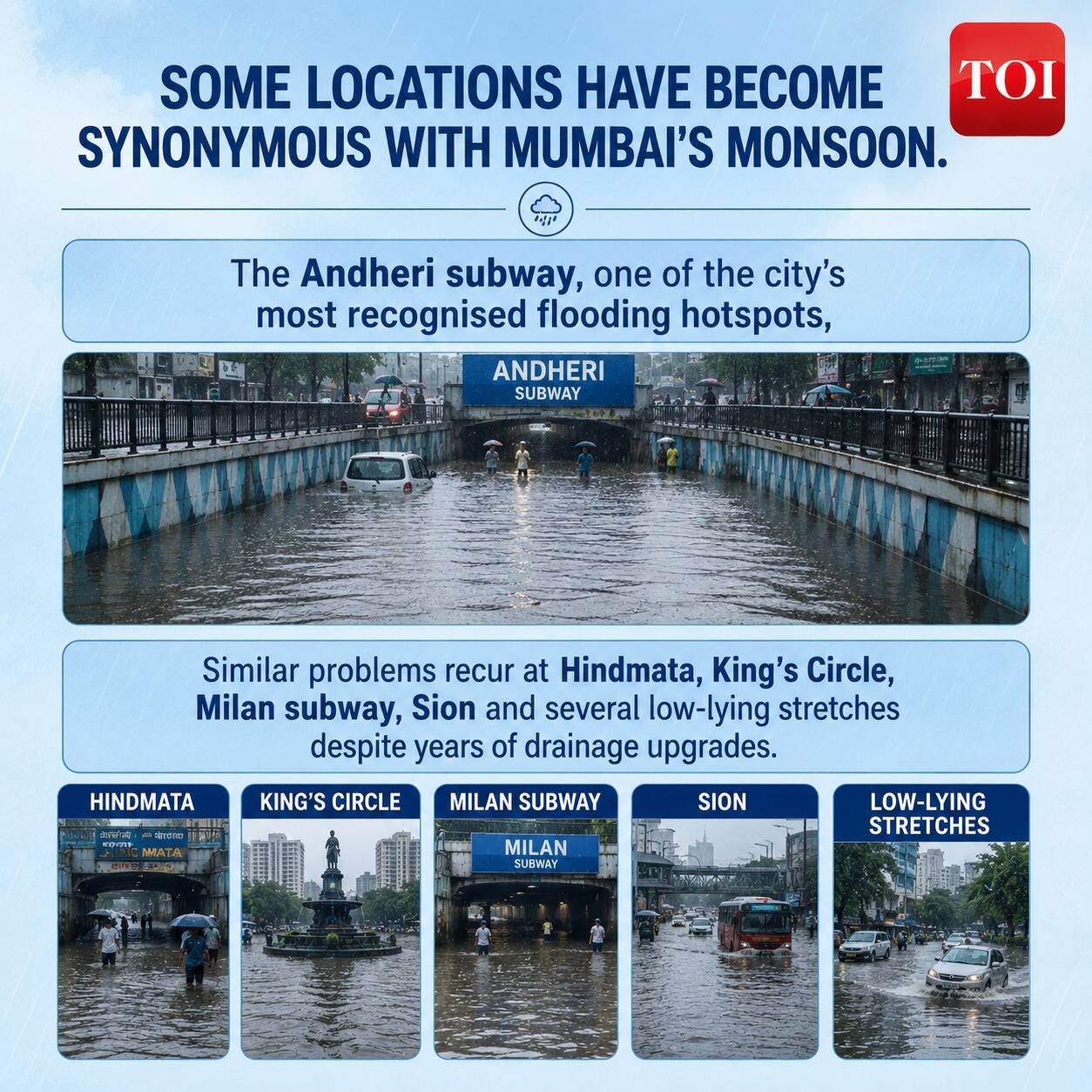
Earlier this year, the Maharashtra government said it was working on a permanent solution to the recurring waterlogging at the Andheri subway, one of Mumbai’s most flood-prone stretches during the monsoon.Responding to a calling attention motion in the Assembly in February, Minister of State for Urban Development Madhuri Misal said the Brihanmumbai Municipal Corporation (BMC) was implementing multiple measures to tackle the problem. The issue was raised by MLA Murji Patel, who pointed out that the subway serves as a vital link between Andheri East and Andheri West and is frequently shut after heavy rainfall, causing massive traffic snarls.What is LiDAR technologyShiv Sena MLC Manisha Kayande urged authorities to adopt technology-driven solutions and strengthen environmental safeguards to protect the city’s trees.Kayande said excessive concretisation around tree trunks was preventing roots from growing properly, making trees more vulnerable to collapse during heavy rain and strong winds. Trees need sufficient open soil around their bases to develop healthy root systems, she told the House.
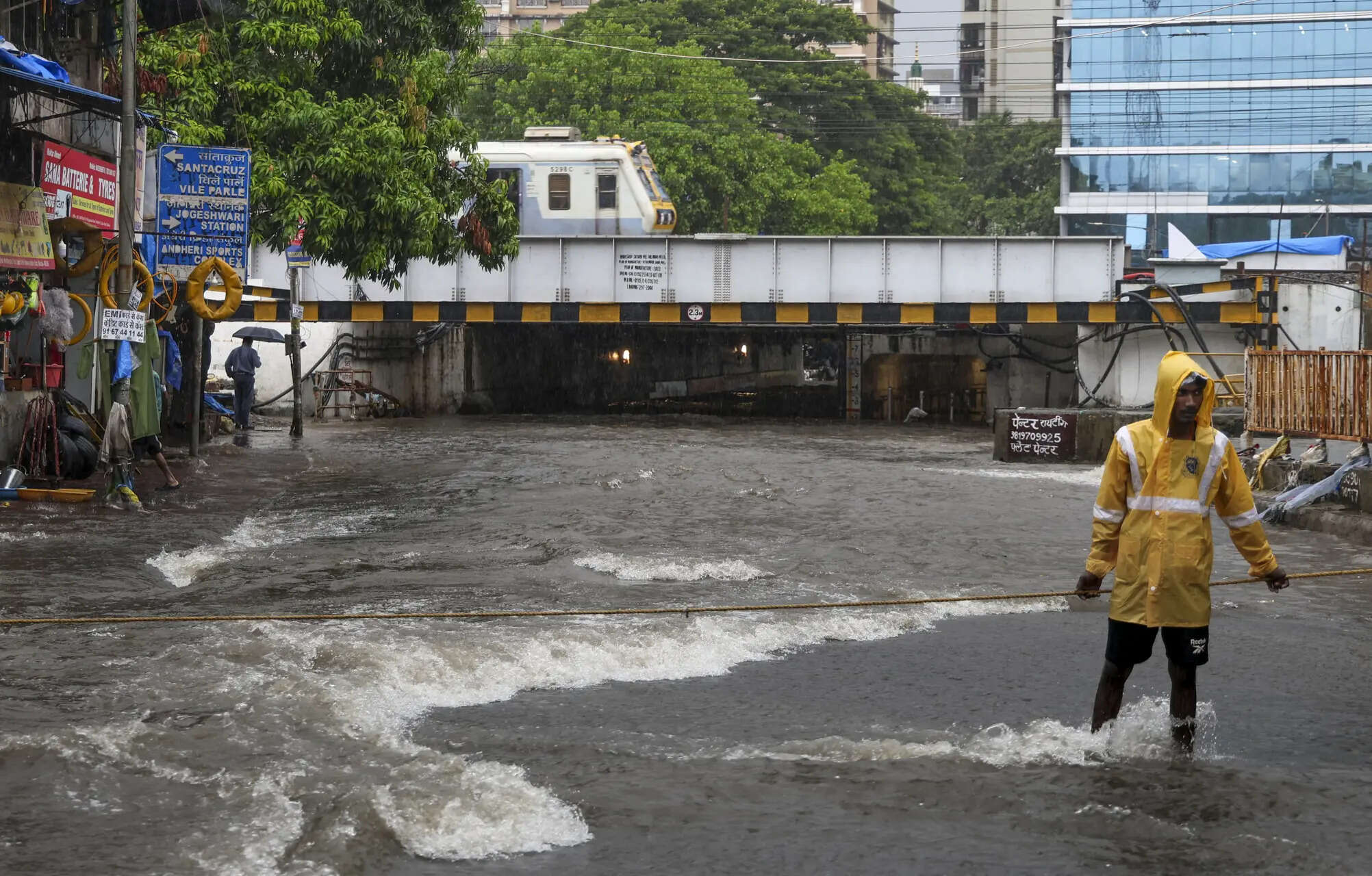
A person stands amid the waterlogged area near the Andheri subway after heavy rain, in Mumbai. (PTI Photo)
She also called on the Brihanmumbai Municipal Corporation (BMC) to expand its use of LiDAR (Light Detection and Ranging) technology, which creates detailed three-dimensional scans to assess a tree’s structural stability, root health and pruning needs. The technology, already being used by the civic body in parts of Mumbai, can help identify vulnerable trees before they collapse.Kayande further said many newly constructed buildings were failing to effectively implement mandatory rainwater harvesting systems despite existing regulations. She urged stricter enforcement of environmental norms and wider use of scientific tools to improve the city’s preparedness for the monsoon.A city that keeps movingYet, amid flooded roads, fallen trees and hours-long traffic snarls, Mumbai’s defining characteristic remains its refusal to stop. While heavy rainfall often disrupts road traffic, the city’s public transport system rarely comes to a complete standstill. BEST buses continue to ply on several routes, even if diversions are required, while Mumbai’s suburban railway network—the lifeline for over seven million commuters daily—usually operates with delays rather than complete suspension.“Yes, the infrastructure may collapse during the rains, but the city never stops. It always keeps moving,” said a resident of Bandra West. “You’ll still find packed local trains during peak hours. Even when they’re delayed, people adjust and carry on with their day. That’s Mumbai.”From office-goers wading through knee-deep water to make it to work, to dabbawalas navigating flooded streets to deliver lunchboxes, the city has built a reputation for adapting to the monsoon rather than waiting for it to pass. That resilience, however, also reflects necessity. For millions of Mumbaikars, missing work is not an option. So, even as the first major spell of rain exposes recurring weaknesses in the city’s infrastructure, the crowds return to railway platforms, buses fill up, and the familiar rush-hour hustle resumes—making the phrase “The Spirit of Mumbai” as much a reality as a yearly ritual.