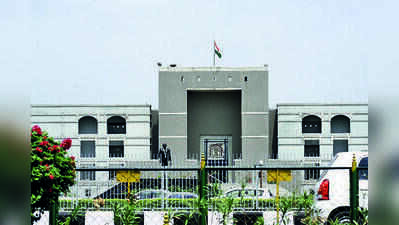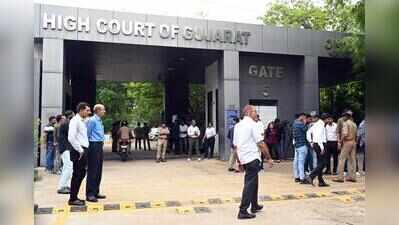
Ahmedabad: Gujarat High Court upholding special trial court’s verdict in the 2008 Ahmedabad serial blasts case has brought back memories of an investigation that police say combined mobile phone analysis, field intelligence, and forensic evidence to unravel one of India’s biggest terror conspiracies.Among the earliest breakthroughs was an unusual pattern in mobile phone usage that investigators stumbled upon during the probe.“The first and foremost clue in the case we got was the terror accused’s use of phone numbers in the same series. All the numbers were activated at the same time a few months before the blast, and deactivated just a day before the serial blasts,” recalled State Monitoring Cell (SMC) SP Mayur Chavda, who headed one of the investigation teams.Police found that the SIM cards had been purchased using forged identity documents. While the phone numbers initially led to a dead end, tracing the fake documents eventually established that operatives from outside Gujarat had entered the state, rented houses, created logistics networks, and executed the blasts on July 26, 2008.The Ahmedabad crime branch, then headed by joint commissioner of police (crime) Ashish Bhatia, constituted four teams led by DySP-rank officers, including Mayur Chavda, Usha Rada, Rajendra Asari, and senior officer V R Tolia, to simultaneously pursue technical analysis, surveillance, and field operations.

2008 Ahmedabad serial blasts charges against suspects
Another breakthrough emerged from Bharuch after then DCP (crime) Abhay Chudasama received information from a police constable, Yakub Ali, who spotted a car matching one found at a blast site parked outside a rented bungalow. The lead helped investigators identify a hideout allegedly used by members of the Indian Mujahideen (IM).According to Chavda, police later established that explosives used in the Ahmedabad blasts and those planted but left unexploded in Surat had been transported from the Bharuch premises. The investigation also led to the arrest of Mufti Abu Bashar from Azamgarh in Uttar Pradesh, considered the first major breakthrough in the case.Chavda said the investigation later helped investigators across the country connect several terror cases, including blasts in Bengaluru, Hyderabad, Delhi, Jaipur, and Lucknow, leading to the dismantling of the newly formed IM module.Retired IPS officer Abhay Chudasama said the prosecution rested on extensive documentary, forensic, and circumstantial evidence gathered from several states, including rental agreements, hotel records, mobile phone purchases, forged identity documents, and call detail records.

2008 Ahmedabad serial blasts
Former DGP Ashish Bhatia said the investigation was only one part of the process, while building a legally sustainable prosecution was equally important. “The case involved a large number of accused, thousands of documents and hundreds of witnesses. Credit goes to the investigating officers, prosecutors, and the judiciary for taking the case to its logical conclusion,” Bhatia said.He said officers spent months working round the clock to trace accused who had deliberately avoided leaving digital footprints by relying on STD and PCO facilities in addition to mobile phones.Bhatia also recalled that Himanshu Shukla — a 2005-batch IPS officer who was then an assistant superintendent of police —volunteered to join the operational teams. Shukla, on central deputation, went on to play a pivotal role in field investigations and the arrest of key accused.