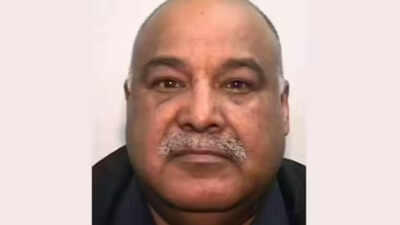
Pakistan has told Britain it must hand over political dissidents living in the UK if it wants Islamabad to accept the deportation of convicted Rochdale grooming gang ringleader Shabir Ahmed.A senior Pakistani government official told The Telegraph that the UK must “respect the issues that matter” to Pakistan instead of resorting to “arm-twisting” and threats over Ahmed’s return.The remarks signal that Pakistan is seeking to link any potential agreement on Ahmed’s deportation to its long-standing demands for the extradition of several UK-based political figures and activists wanted by Islamabad.
Who is Shabir Ahmed ?
Ahmed, 73, known as “Daddy” by his victims, was one of the ringleaders of the Rochdale grooming gang. He was convicted in 2012 for 30 child rape offences and sentenced to 22 years in prison for grooming vulnerable girls as young as 12, supplying them with alcohol and drugs, and orchestrating their repeated sexual abuse.He was released last week after serving 14 years of his sentence.Ahmed arrived in Britain from Pakistan’s Punjab province in 1967 at the age of 14 and held dual British-Pakistani citizenship before being stripped of his British citizenship in 2016.
Why can’t Ahmed be deported?
Despite losing his British citizenship, Ahmed has not been deported because of legal protections under Section 7 of the Immigration Act 1971. The provision exempts Commonwealth citizens who arrived in the UK before January 1, 1973, and had settled there, preserving rights originally intended to protect the Windrush generation.Home Secretary Shabana Mahmood is considering repealing the relevant provisions of the Act, while the Home Office has said all options, including emergency legislation, remain under consideration.
Pakistan’s earlier stand on Ahmed
The latest position marks a continuation of Pakistan’s earlier argument that Ahmed cannot simply be deported because Islamabad no longer considers him a Pakistani national.According to The Telegraph, Pakistani ministers had previously told the UK that although Ahmed was born in Pakistan, he left at around the age of 13, spent more than six decades in Britain and had renounced his Pakistani citizenship.“He is not our national,” a Pakistani minister was quoted as saying, adding that while Ahmed’s crimes were “unforgivable”, dealing with him was Britain’s responsibility.Pakistan has also refused to take back Ahmed and two other Rochdale grooming gang ringleaders because they had renounced their Pakistani citizenship.
Islamabad seeks extradition of dissidents
According to The Telegraph, Pakistan is now asking Britain to extradite several political dissidents and activists living in the UK. These include former Imran Khan aide Shahzad Akbar, journalist and former military officer Adil Raja, and Altaf Hussain, the London-based founder of the Muttahida Qaumi Movement.“There are people using British soil to destabilise Pakistan,” the unnamed official told The Telegraph, accusing Britain of applying “double standards” by citing human rights and free speech protections while refusing Pakistan’s extradition requests.The official also claimed negotiations over Ahmed’s future had been underway for nearly a year and alleged Britain had threatened visa restrictions and aid cuts if Pakistan continued to refuse his return.Pakistan, however, indicated it was willing to think “out of the box” and “beyond normal procedures” if both sides addressed each other’s concerns, The Telegraph reported.Britain is also weighing diplomatic measures, including possible visa sanctions, although these are being viewed as a last-resort option if negotiations fail.